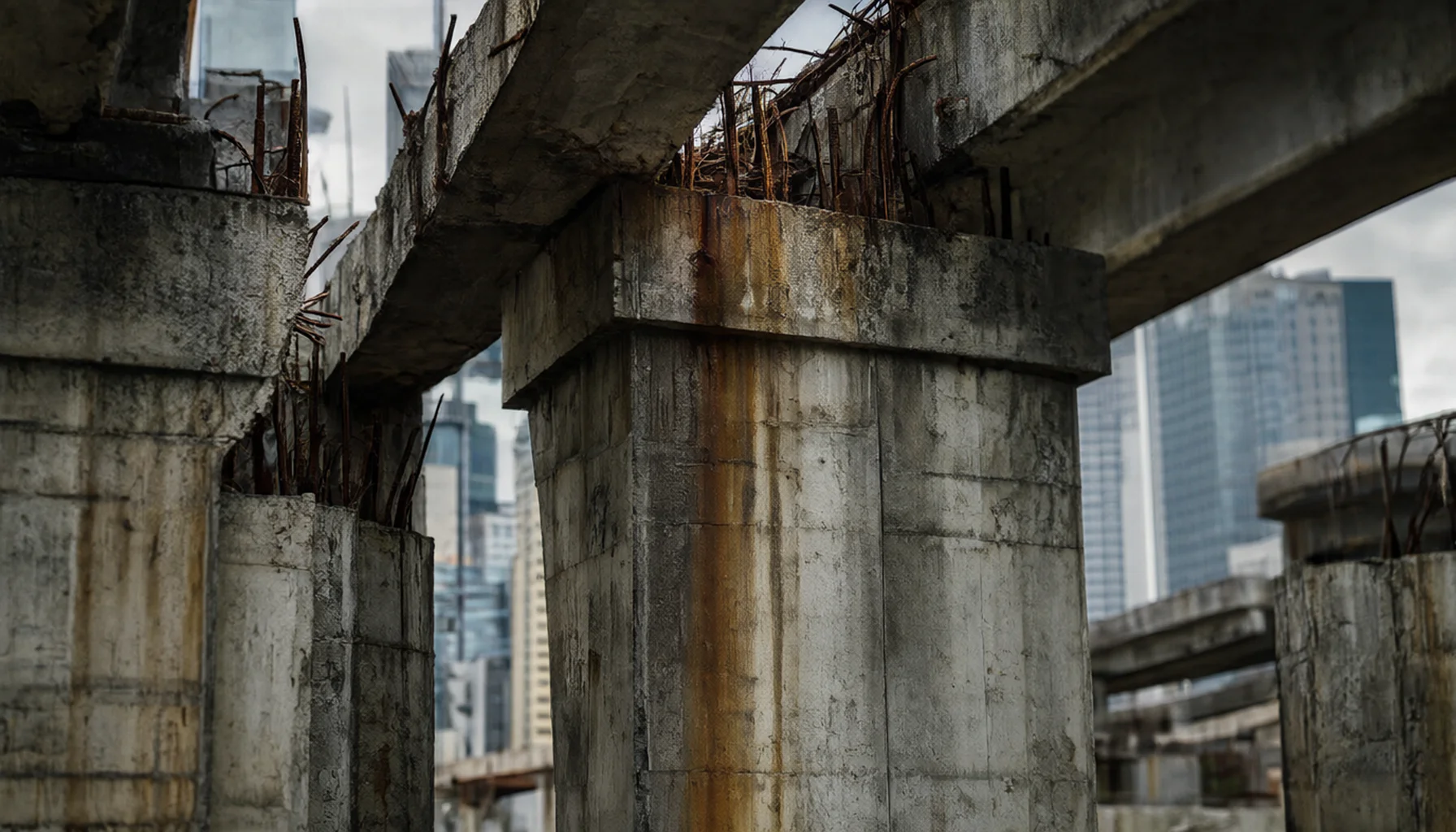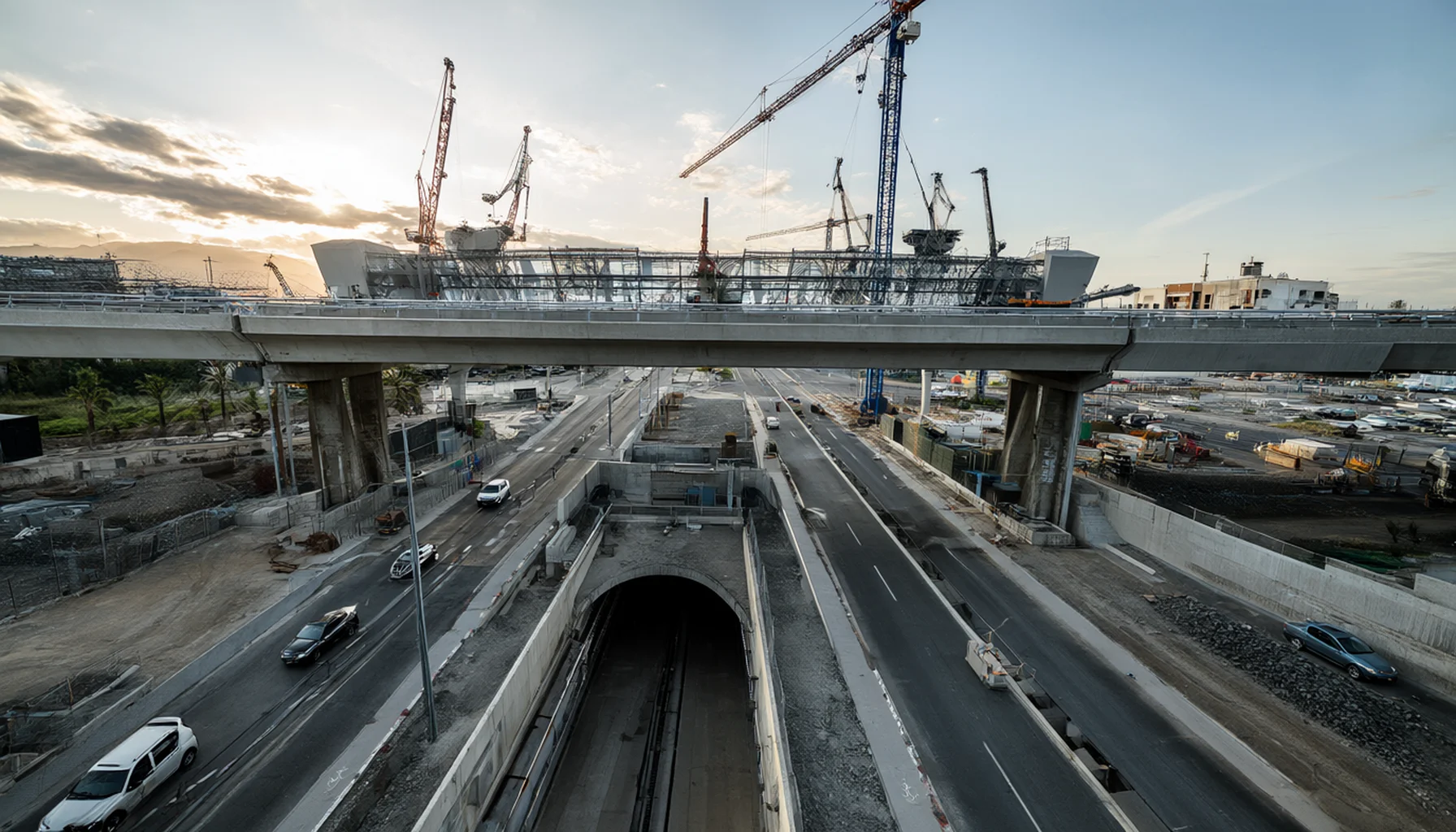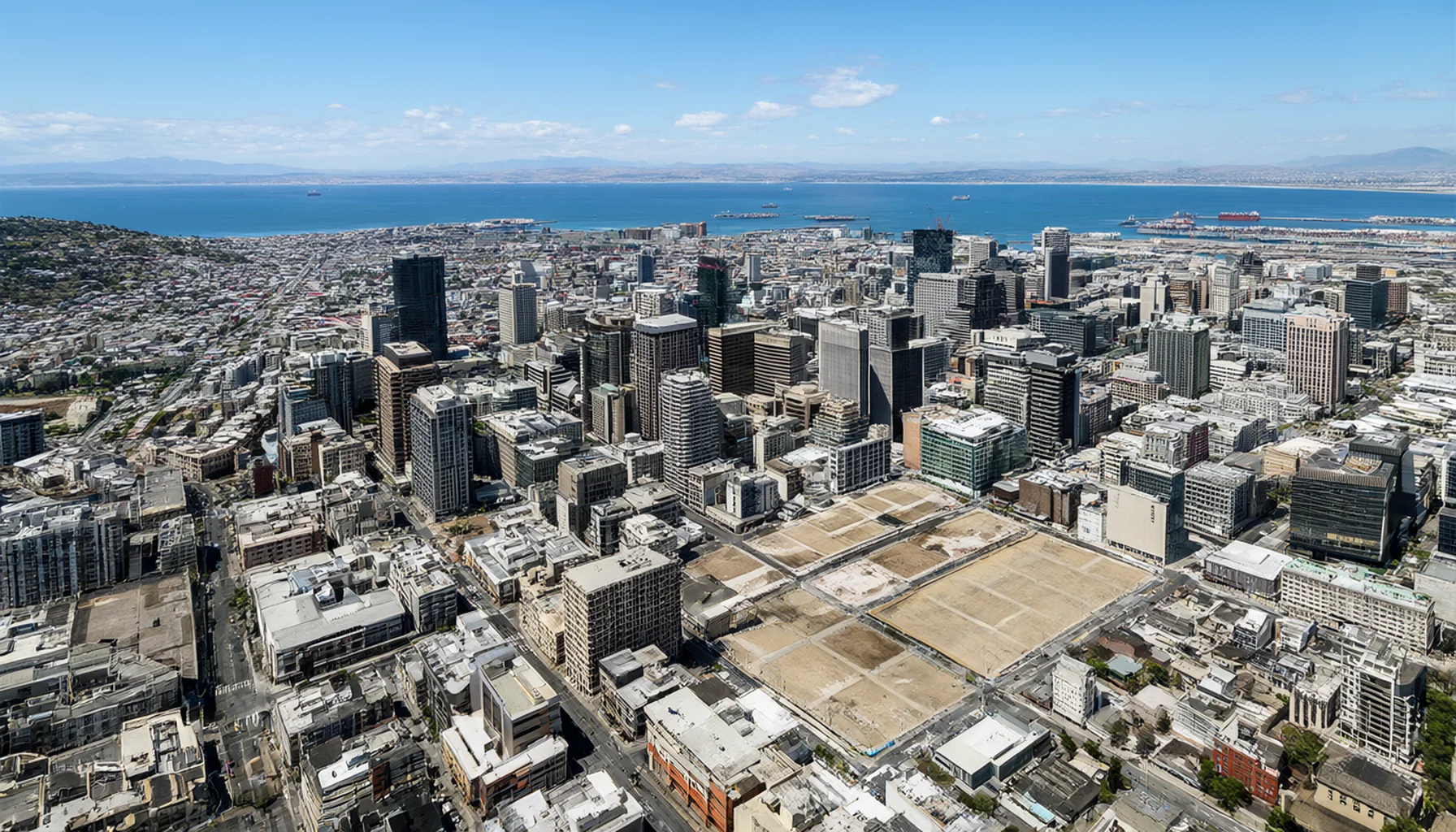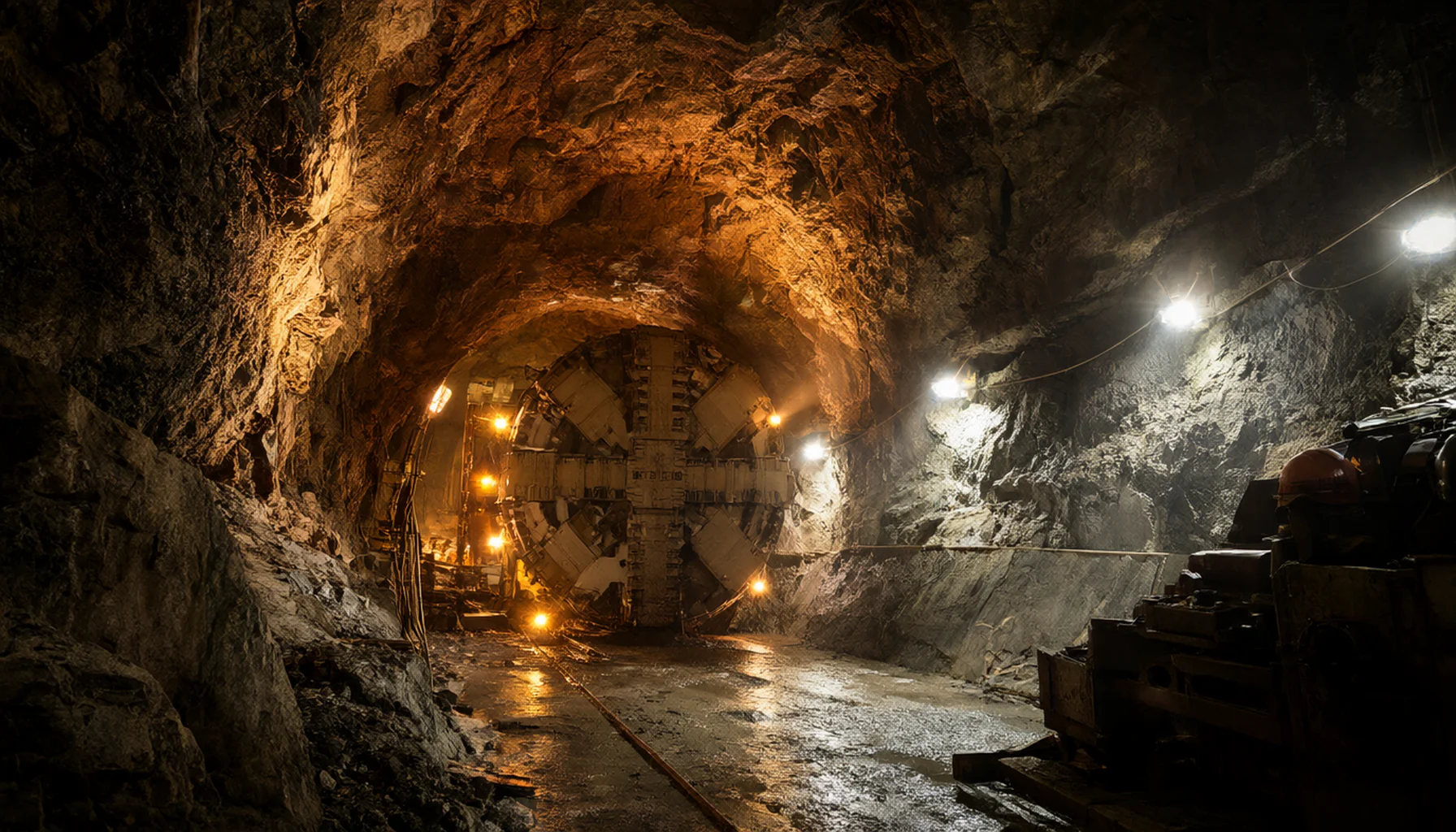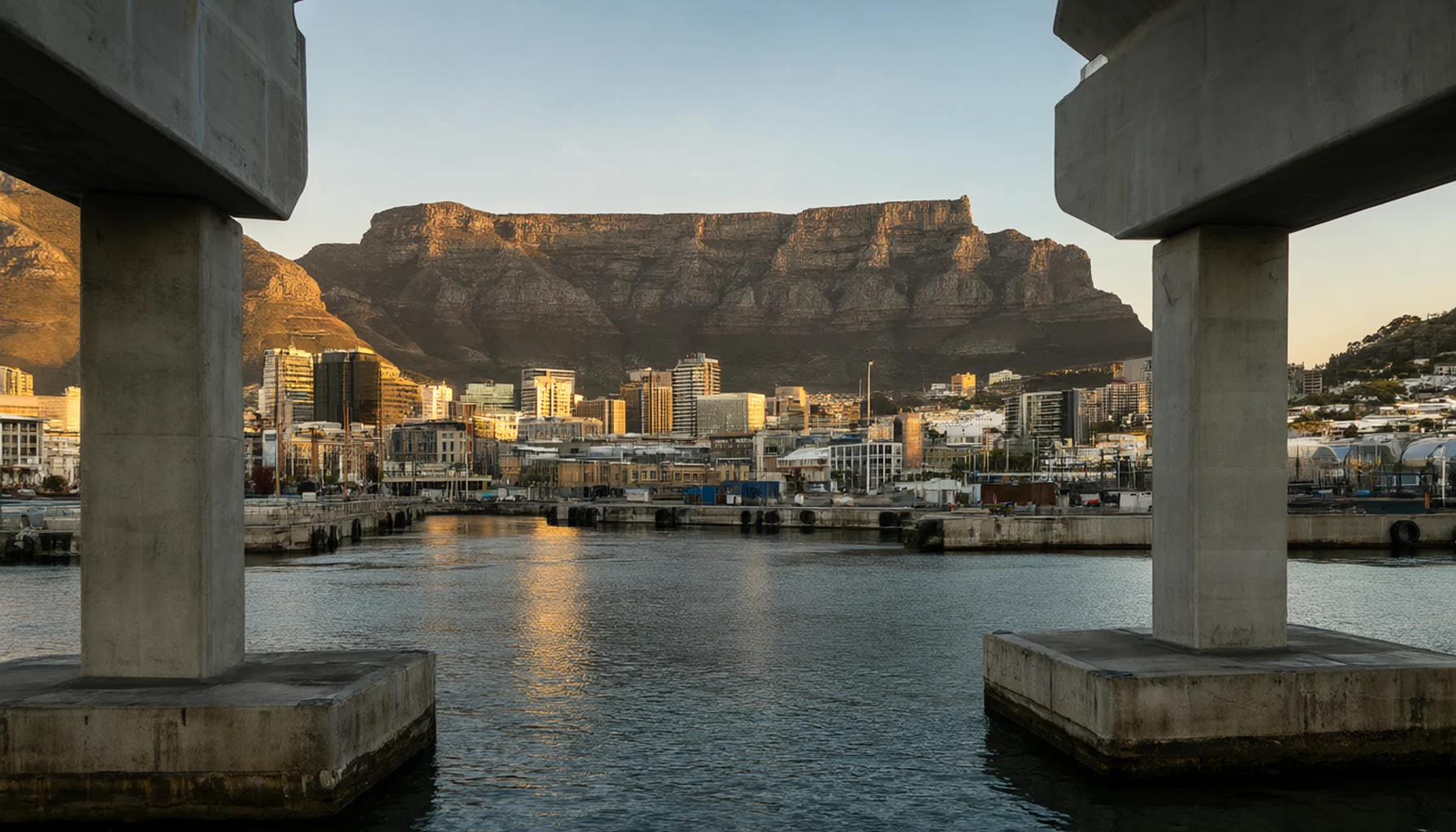
Above central Cape Town, several concrete ramps have hung unfinished for half a century. On 2 October 2026, Cape Town Mayor Geordin Hill-Lewis unveiled the vision for the "Cape Town Foreshore Precinct": demolish the notorious unfinished freeway, rebuild it as a new bridge and an underground tunnel, and unlock roughly 15 hectares of inner-city land for an entirely new Cape Town Foreshore neighbourhood. For anyone assessing Cape Town CBD property, this is more than a municipal story - it is a structural change in inner-city land supply and harbour connectivity.
What makes this freeway special is that it has been "locking up" one of Cape Town's most valuable sites. The Cape Town CBD is hemmed in on three sides by the mountain, the railway and the port, so genuinely developable land has long been scarce; the 15 hectares of the Foreshore have effectively been sterilised for more than 50 years by the elevated freeway and its abandoned columns. If the City's plan is realised, it releases the last large area of central Cape Town land - a variable that anyone weighing Cape Town CBD property, the Foreshore, Green Point or Sea Point must understand. This article covers the development facts, timeline, structural effect on property, three investor scenarios, and the most important risks.
Key takeaway: The City of Cape Town unveiled its Foreshore Precinct vision on 2 October 2026, converting a 50-year unfinished freeway into a new bridge and underground tunnel and unlocking about 15 hectares of inner-city land. Phase 1 construction is scheduled for the next council term (2026-2031), with Phase 2 running until 2040. The project is still a proposal, public consultation has just begun, and cost and funding are undefined. For Cape Town CBD property this means "a long-term structural positive plus rising supply" - assess it on a ten-year horizon, not as a short-term trade. This article is for information only and is not investment advice.