MyCiTi Phase 2A bus depots completed — R10 billion in transport infrastructure unlocks TOD upside along Cape Town's southern corridor. Overseas cash buyers can achieve dual-engine annual cash flow of R 1,171,000-1,380,000, with lawyer-trust protection safeguarding their capital. MyCiTi Phase 2A bus depots completed — R10 billion in transport infrastructure unlocks TOD upside along Cape Town's southern corridor. Overseas cash buyers can achieve dual-engine annual cash flow of R 1,171,000-1,380,000, with lawyer-trust protection safeguarding their capital. MyCiTi Phase 2A bus depots completed — R10 billion in transport infrastructure unlocks TOD upside along Cape Town's southern corridor. Overseas cash buyers can achieve dual-engine annual cash flow of R 1,171,000-1,380,000, with lawyer-trust protection safeguarding their capital.
MyCiTi Phase 2A Breaks Ground: How R10 Billion in Transport Infrastructure Is Reshaping Cape Town's Property Investment Landscape

MyCiTi Phase 2A Breaks Ground: How R10 Billion in Transport Infrastructure Is Reshaping Cape Town's Property Investment Landscape | DingYao Advisory

Preface: The R430 Million Depots Are Complete — the Bigger Game Is Only Beginning

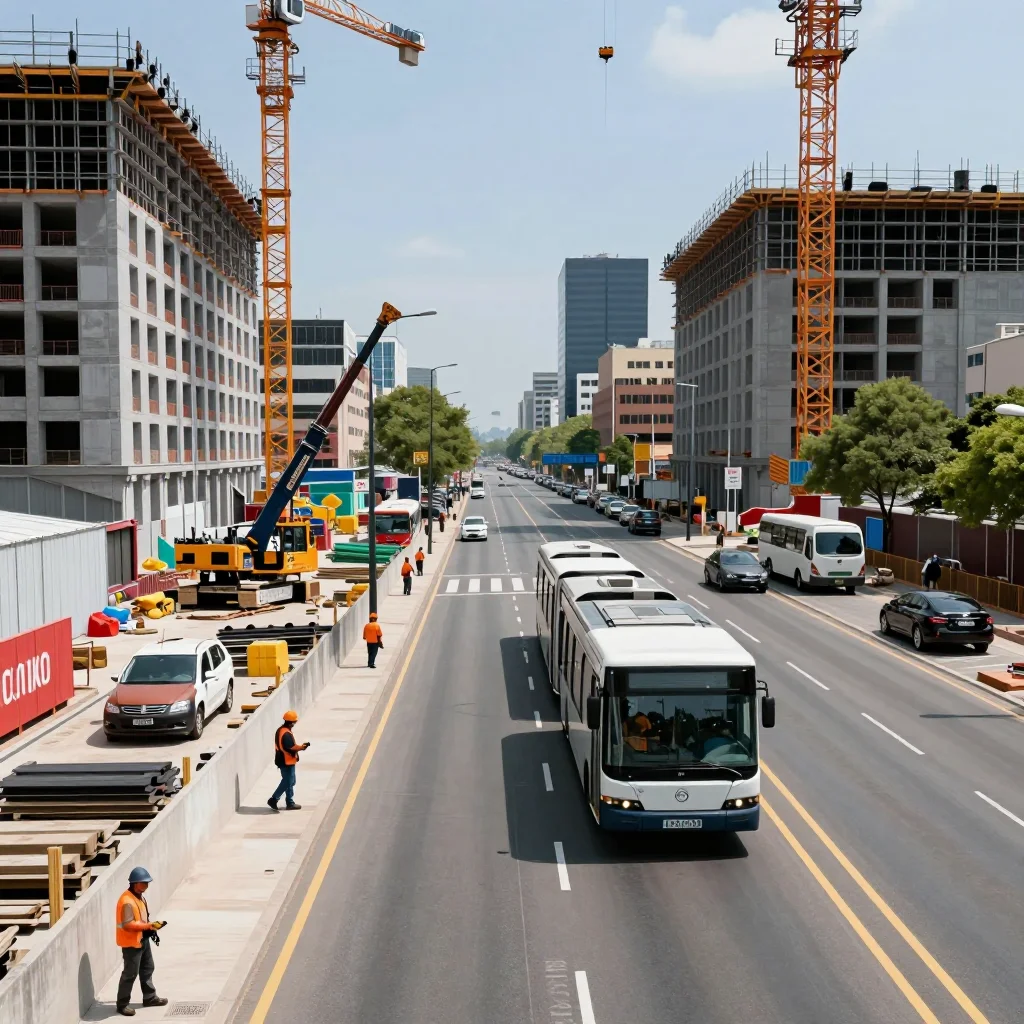
In October 2025, the two MyCiTi bus depots with a combined cost of R430 million were officially completed in Khayelitsha and Mitchells Plain. From the start of construction in August 2022 to completion, more than 500 local residents took part in the building works, and 75% of the infrastructure expenditure directly benefited low-income households.

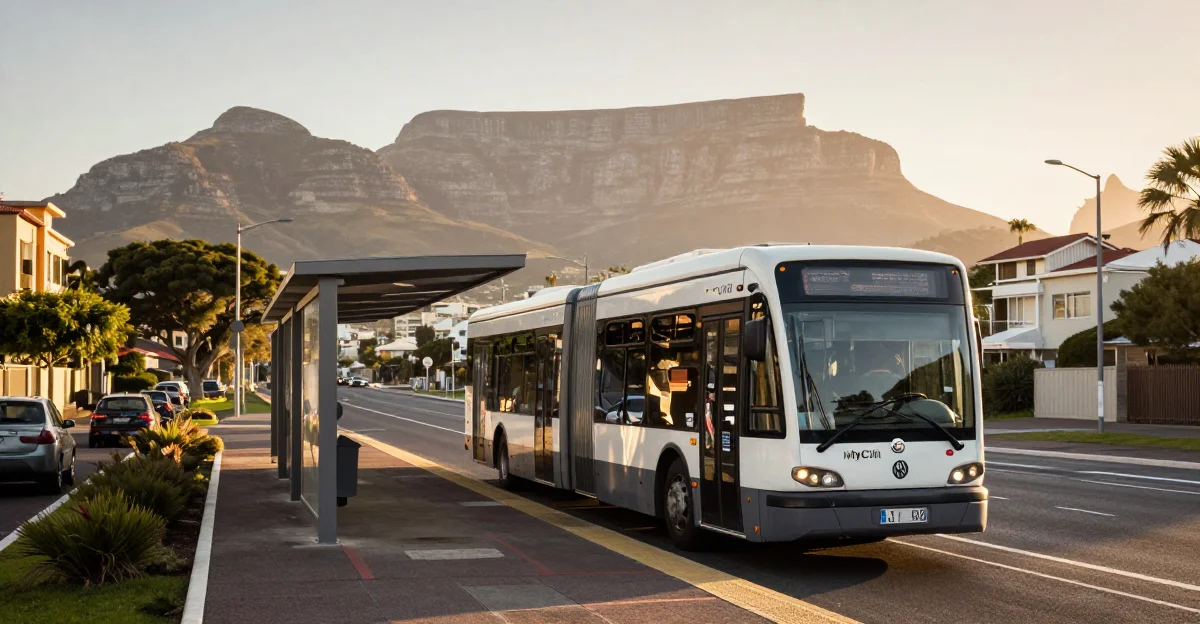
But this is only the beginning. MyCiTi Phase 2A is the largest metro-led public transport project in South African history, with total investment of R10 billion, laying 17 km of dedicated bus lanes along Cape Town's southern corridor and linking Khayelitsha and Mitchells Plain to Claremont and Wynberg — precisely the areas with the highest concentration of premium residential property in Cape Town.

For overseas investors, the core question is: how does R10 billion in infrastructure translate into tangible property appreciation?
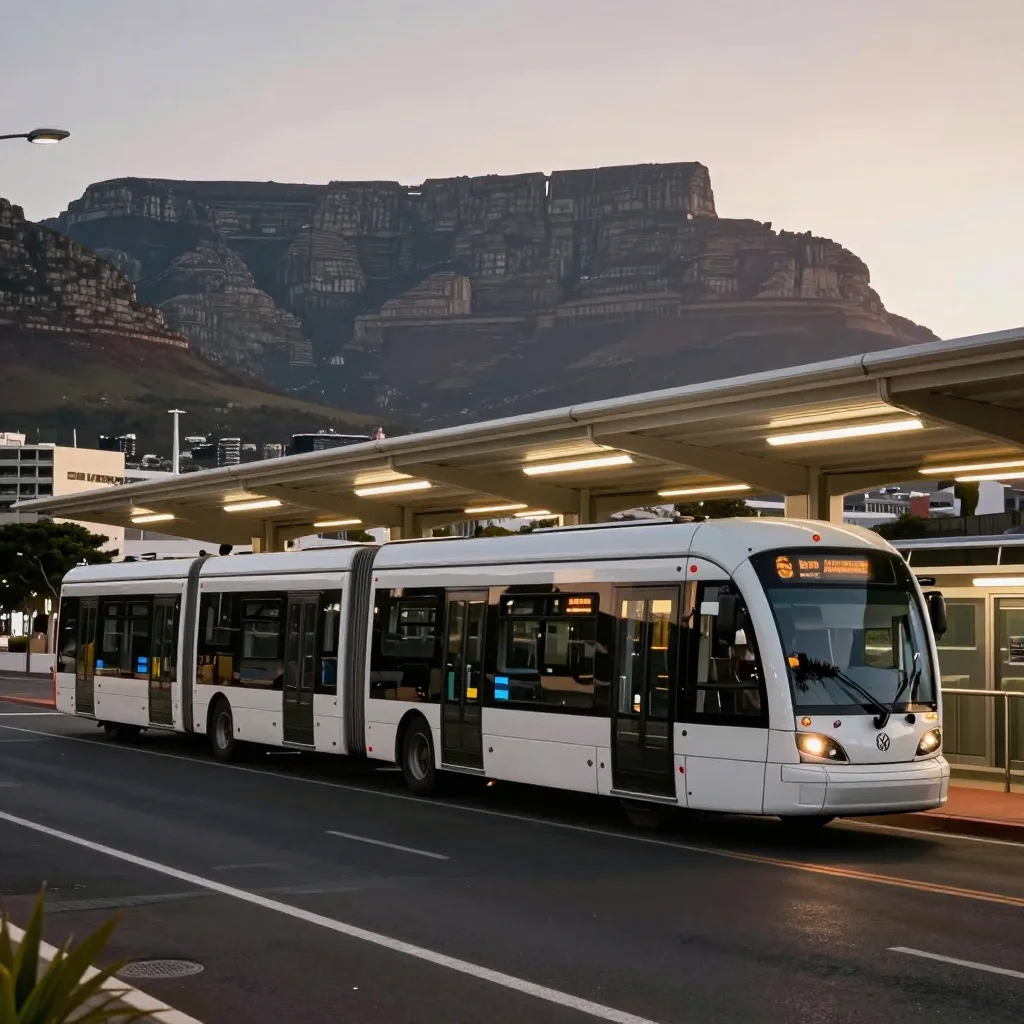
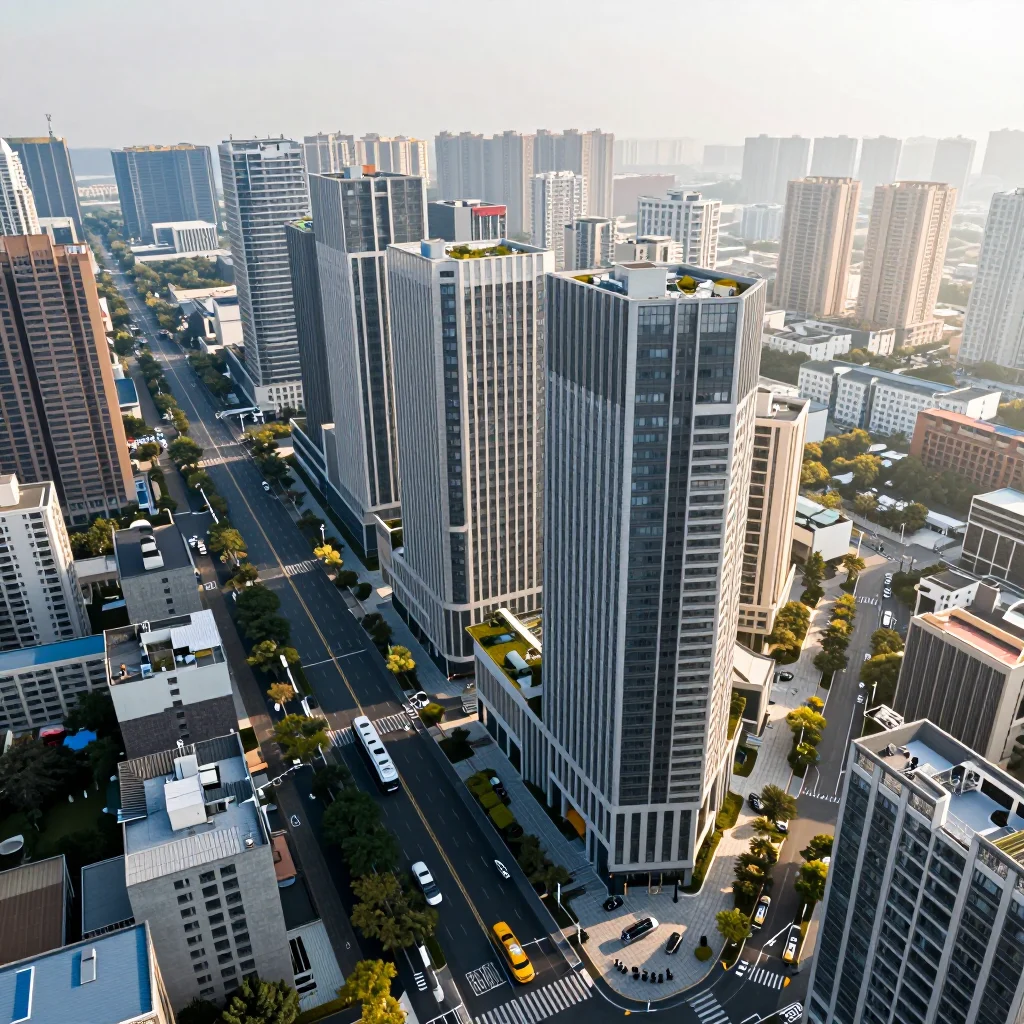
The TOD Investment Logic: Transport Infrastructure as the "Invisible Engine" of Property Appreciation

Transport-Oriented Development (TOD) is one of the most reliable appreciation models in international real estate markets. After London's Crossrail opened, average property prices within 800 metres of stations along the route rose 40%; after Singapore's MRT Thomson-East Coast Line was announced, launch prices of nearby private residential developments rose 10-15%.

Cape Town is replicating this model. MyCiTi Phase 2A extends public transport services along the southern suburban corridor, and the Claremont and Wynberg area is already among the highest-priced property districts in Cape Town. Each improvement in accessibility brings corresponding rental premiums and capital appreciation.

The average rent in the Western Cape is R 11,454, significantly higher than the national average of R 9,218 — and this gap is even more pronounced around transport nodes. Rental premiums in TOD areas typically range from 10-20%, which means investment properties along the Phase 2A corridor enjoy stronger rental support.

The R10 Billion Infrastructure Investment: Concrete Impact on Cape Town's Southern Corridor

Phase 2A Scale and Route

The core route of MyCiTi Phase 2A connects three key areas:

  • Khayelitsha / Mitchells Plain: the most densely populated southeast areas of Cape Town, with strong commuting demand
  • Claremont: the commercial and residential hub of the southern suburbs, with median prices above R 5M and a dense concentration of premium properties
  • Wynberg: a historic transport hub about to undergo station-area upgrades

The 17 km of dedicated bus lanes guarantee reliability and speed of service — the core premise of TOD investment: not merely "buses passing through," but "fast, reliable service backed by dedicated infrastructure."

The Broader R40 Billion Infrastructure Landscape

MyCiTi Phase 2A is not an isolated project. Cape Town's total infrastructure investment over the next three years reaches R40 billion, spanning roads, water supply, electricity and public transport. This means the TOD effect of Phase 2A will not be an isolated phenomenon on a single corridor, but part of a city-wide wave of infrastructure upgrades.

Infrastructure investment affects property values in a predictable way: an initial rise when plans are announced, a second confirmation when construction begins, and the value is realised when services open. Phase 2A is currently in the "depots complete, routes under construction" phase — precisely the best window for investors to enter early.

How Overseas Investors Can Ride the TOD Dividend

Entry Threshold and Dual-Engine Allocation

The DingYao Phase 1 South Africa property solution has an entry threshold of R 16,000,000, structured as follows:

Item Amount Details
Property purchase price R 10,450,000 Premium Cape Town residence
Associated costs About R 550,000 Transfer, legal, trust formation
Standard Bank Wealth demand account R 5,000,000 Daily-accrued, monthly-paid compound interest, effective annual rate about 6.72%

Dual-Engine Cash Flow

Rental engine

  • R 10,450,000 × 8-10% = R 836,000 - R 1,045,000/year (fully-let income; income is earned only when let)
  • TOD-area rental premiums of 10-20%, with higher occupancy and more stable rents

Interest engine

  • R 5,000,000 × 6.5% daily-accrued, monthly-paid compound interest ≈ R 335,000+/year (effective annual rate about 6.72%)
  • Full interest during the waiting period: the R 16,000,000 starts earning in the trust account from day one, at about R 86,000 a month

Combined annual cash flow: R 1,171,000 - R 1,380,000

Lawyer-Trust Protection: Financial Security for Overseas Investors

One of the biggest concerns for overseas investors is financial security. DingYao uses a lawyer-trust protection structure (Legal Trust Protection) to ensure client funds are held in a trust account regulated by the South African legal profession throughout the entire transaction. The R 16,000,000 earns interest in the trust account from the day it is deposited — there is no gap period during which funds sit idle.

Why Now Is the Window to Enter TOD

The Predictable Appreciation Path of Infrastructure Investment

The effect of infrastructure on property values follows three phases:

1. Planning announcement phase: expectations drive the first price rise (5-8%)

2. Construction phase: certainty increases and investors enter (3-5%)

3. Opening and operation phase: convenience is realised and long-term appreciation firms (ongoing)

MyCiTi Phase 2A's depots are complete and route construction is progressing — we are between phases 1 and 2. This is the optimal moment for investors to enter early: part of the planning dividend is already priced in, but the full appreciation after opening has not yet been realised.

Expected Appreciation of Properties Along the Route

Drawing on international TOD cases, properties along the Phase 2A route are expected to appreciate 5-8%:

Area Median Price Expected TOD Appreciation Level of Transport Improvement
Claremont R 5M+ 5-8% Direct BRT service
Wynberg R 3-5M 8-12% Station-area upgrade

It is worth emphasising: the areas with the highest expected appreciation are not the most expensive, Claremont, but Wynberg and Kenilworth, which are undergoing transport upgrades — a classic feature of TOD investment, where appreciation potential concentrates in the areas seeing the greatest improvement.

Conclusion: The R10 Billion Infrastructure Dividend and Overseas Investors' First-Mover Advantage

MyCiTi Phase 2A is not just a bus route — it is the catalyst for a re-rating of property values along Cape Town's southern corridor. The R10 billion infrastructure investment will keep releasing TOD effects for years to come, and overseas cash buyers enjoy two structural advantages:

1. Unaffected by local mortgage rates — SARB rate hikes suppress local financing demand, giving cash buyers stronger negotiating power

2. Entering before opening — positioning before the full appreciation is realised, capturing the entire uplift from the planning phase through to opening

The R 16,000,000 dual-engine allocation — a rental engine of R 836,000 - R 1,045,000/year plus an interest engine of R 335,000+/year — boosted by TOD-area rental premiums, can deliver annual cash flow of R 1,171,000 - R 1,380,000. Combined with the financial security of the lawyer-trust protection structure, this is an opportunity to build a well-allocated position at the starting line of the infrastructure dividend.

Contact DingYao today to learn the full allocation details of the R 16,000,000 South Africa property solution.

Scott Huang

Scott Huang

Business Development — Specializing in Cape Town premium property investment and cross-border wealth management for Asia-Pacific high-net-worth individuals.

Start Your Cape Town Property Journey

Schedule a one-on-one consultation with our team to explore premium investment opportunities in Cape Town's most resilient markets.

Consultation