R16,000,000的跨境選擇:開普敦置產vs亞洲生活的資產十年對決 | 鼎曜國際顧問

A R16,000,000 Cross-Border Choice: Cape Town Property vs. Life in Asia | DingYao Advisory

Introduction: The Real Purchasing Power of R16,000,000

16 million rand (R16,000,000), converted at the April 2026 exchange rate (1 ZAR = 1.88 TWD), is roughly equivalent to R 30.08 million.

This figure may diverge from many people's intuition. The rand may sound "cheap," but its purchasing power once converted far exceeds expectations. What can R16,000,000 buy in Taiwan? And what can it buy in Cape Town? How should this money be allocated to maximise your assets ten years from now?

The core question: with the same R16,000,000, how large will the asset gap be after ten years between choosing Cape Town's "property + high-yield fixed deposit" combination versus staying invested in Asia? And how will the quality of life differ?

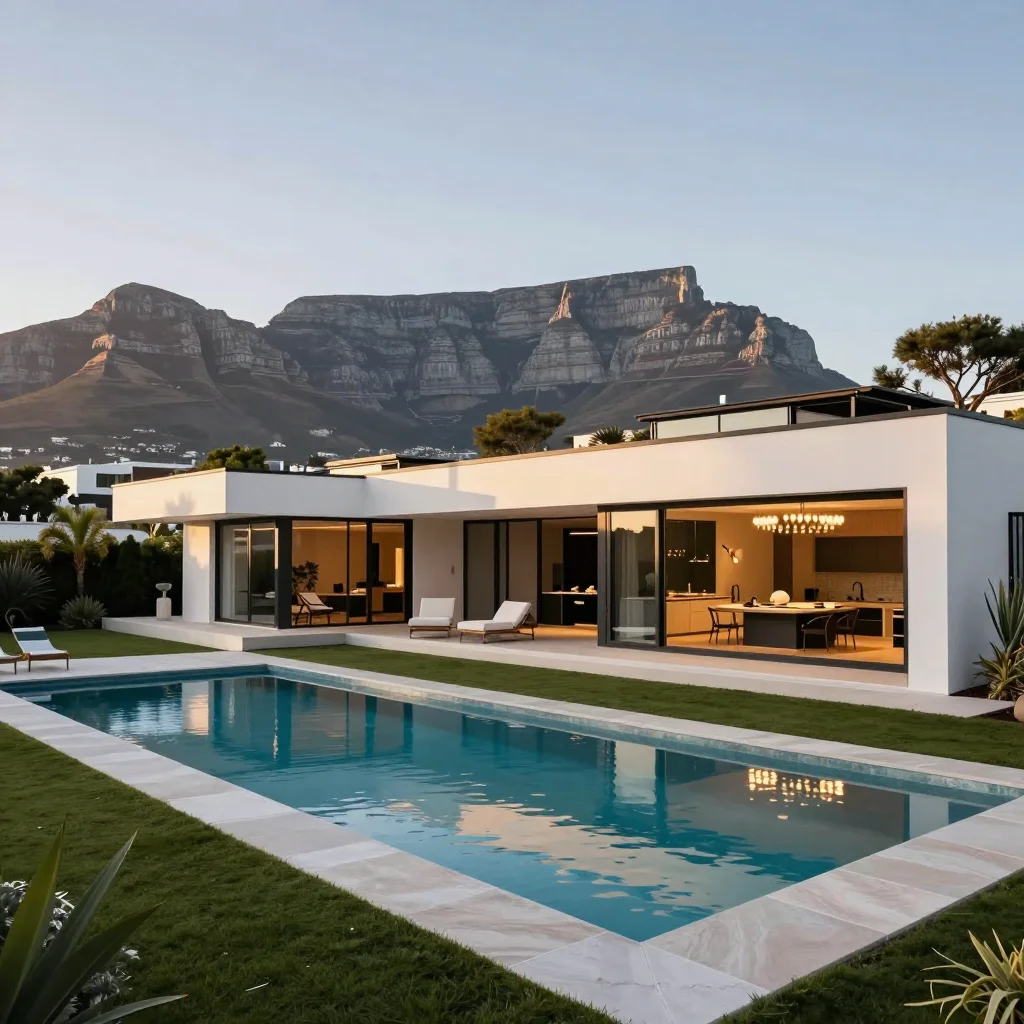
A beautiful garden home and cityscape in Cape Town
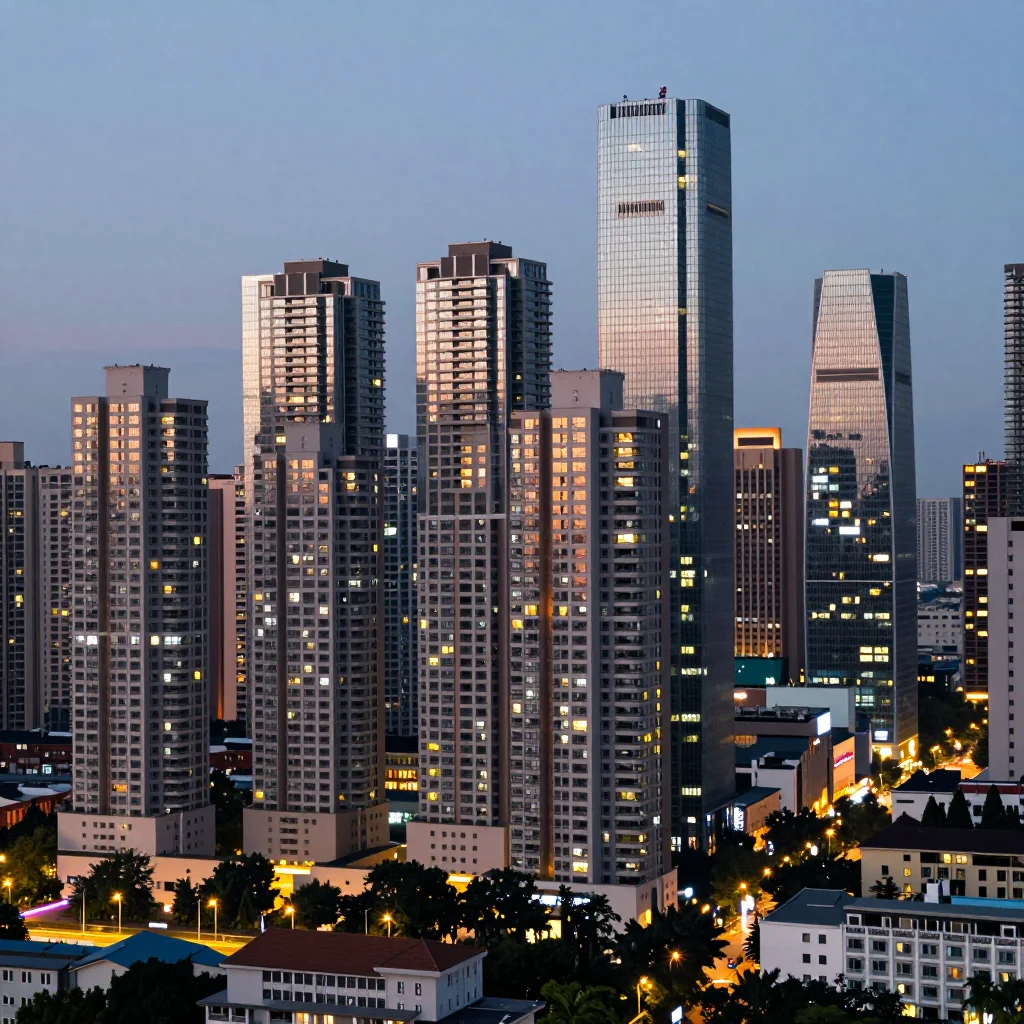
Cape Town's pleasant garden-home environment contrasts sharply with apartments in Asian cities

The South Africa Approach: Cape Town's "Dual-Engine Asset" Allocation

Capital Allocation Overview

R16,000,000 (16 million rand) is allocated as follows:

Item Rand (ZAR) Rand (ZAR) Share
Property investment R10,450,000 approx. TWD 19.65M 65%
High-yield fixed deposit R5,550,000 approx. TWD 10.43M 35%
Total R16,000,000 approx. TWD 30.08M 100%

Property Allocation: What Can R10,450,000 Buy?

According to Lightstone and Property24 data for Q1 2026, Cape Town property prices vary by area:

Area Average price/sqm Buyable area for TWD 19.65M Rental yield
Woodstock R18,000 approx. 580 sqm 8-10%
Observatory R16,000 approx. 650 sqm 5-7%
Sea Point R38,000 approx. 275 sqm 4.5-5%
Green Point R35,000 approx. 300 sqm 4.5-5%
Southern Suburbs R22,000 approx. 480 sqm 5-5.8%

Real purchasing power: with R10,450,000 in Cape Town you can buy:

  • Woodstock/Observatory area: a 300-400 sqm renovated industrial-style loft with a courtyard
  • Southern Suburbs: a 200-250 sqm family home with garden and parking
  • Sea Point/Green Point: an 80-100 sqm sea-view apartment, a short walk to the beach

By comparison, the same price in Taipei buys only a roughly 20-25 ping (66-83 sqm) apartment, often a resale unit over 20 years old.

Financial Allocation: The 7% Compound-Interest Engine on R5,550,000

The remaining R5,550,000 is placed in a high-yield fixed deposit with a South African bank:

  • 1 SARB policy rate: 7% (April 2026)
  • 2 Actual fixed-deposit rate: about 7-8% per annum
  • 3 Compounding: interest compounded annually

Ten-Year Return Calculation:

Principal: TWD 10.43M (R5,550,000)
Annual rate: 7%
Compound factor: (1.07)^10 = 1.967

Principal plus interest after ten years: 10.43M x 1.967 = approx. TWD 20.53M

Net interest income: 20.53M - 10.43M = approx. TWD 10.10M

Rental Income: Passive Cash Flow

Based on a R10,450,000 property and a 5.5% gross rental yield:

  • Annual rental income: TWD 19.65M x 5.5% = approx. TWD 1.08M/year
  • After maintenance costs (vacancy, repairs, and management fees of about 30%): approx. TWD 760K/year
  • Ten-year cumulative net rental income: 760K x 10 = TWD 7.60M

Property Appreciation: A Conservative Estimate

Cape Town property's long-term appreciation rate is about 3-5% per year (we conservatively assume 4%):

Property Appreciation Estimate:

Purchase price: TWD 19.65M
Valuation after ten years (4% annual growth): 19.65M x (1.04)^10 = 19.65M x 1.480
= approx. TWD 29.12M

Property appreciation: 29.12M - 19.65M = approx. TWD 9.47M

Asia Comparison: What Can R16,000,000 Buy?

Option A: Taiwan - High Prices, Low Returns

The housing reality (2026 data):

  • Taipei's average property price: about R450,000-650,000/ping
  • Space R16,000,000 can buy: an apartment of roughly 23-33 ping (76-110 sqm)
  • If choosing New Taipei City or Taoyuan: a home of roughly 35-45 ping

The return dilemma:

  • Taiwan fixed-deposit rates: 1.5-2% (2026 data)
  • Rental yields: 1.5-2% (Taipei area)
  • Property appreciation: has slowed in recent years, at about 2-3% per year

Option B: Thailand - Foreign-Ownership Restrictions and Exchange-Rate Risk

Price advantages:

  • Bangkok's average condo price: about R75,000-125,000/sqm
  • R16,000,000 buys a condo of roughly 120-200 sqm

Foreign-ownership restrictions:

  • Foreigners can only buy within the 49% quota of a condominium building
  • Cannot directly own land (leasehold only)
  • Risks of nominee holding and legal uncertainty exist

Option C: Malaysia - MM2H Threshold Restrictions

The latest 2026 MM2H policy:

  • Platinum tier: USD 1 million fixed deposit + purchase of RM 2 million or more in property
  • Gold tier: USD 500,000 fixed deposit + purchase of RM 1 million or more in property
  • Silver tier: USD 150,000 fixed deposit + purchase of RM 600,000 or more in property

R16,000,000 (about USD 930,000) qualifies for the Gold tier, but after the fixed deposit is deducted, limited funds remain and property choices are constrained.

Ten-Year Asset Gap: A Data Showdown

Cape Town Approach at a Glance (South Africa)

Asset Class Initial Investment (ZAR 10k) Value After 10 Years (ZAR 10k) Gain (ZAR 10k)
Property 1965 2912 +947
Fixed Deposit (7% compound) 1043 2053 +1010
Rental Income (10 years) - 760 +760
Total Assets 3008 5725 +2717

Total assets after ten years: approximately R286,250,000

Taiwan Approach at a Glance

Asset Class Initial Investment (ZAR 10k) Value After 10 Years (ZAR 10k) Gain (ZAR 10k)
Property 3008 4043 +1035
Rental Income (10 years) - 315 +315
Total Assets 3008 4358 +1350

Key Gap Summary

Comparison Item Cape Town Approach Taiwan Approach Gap
Total Assets After 10 Years R286,250,000 R217,900,000 +ZAR 13.67m (+31%)
Annual Passive Income ~R890,000 ~R225,000 +296%
Quality of Living Garden home / large apartment Small apartment Clear advantage
Liquidity High (ZAR 10.43m fixed deposit) Low (property hard to liquidate) Clear advantage

Quality of Life: More Than Just Numbers

Cost of Living (Numbeo 2026 data)

Item Cape Town Taipei Difference
Single-person cost of living (excl. rent) ~R8,500/month (TWD 16,000) ~R20,000/month Cape Town ~20% lower
Rent (city-centre 1-bedroom) R12,000/month (TWD 23,000) R28,000/month Cape Town ~18% lower
Dining out (mid-range restaurant) Lower Higher Cape Town lower
Private healthcare (annual premium) ~R30,000 (TWD 56,000) ~R60,000 Cape Town ~50% lower

Passive Income Coverage Ratio

Cape Town Approach

  • Annual passive income: R890,000
  • Annual cost of living (middle-class level): ~R300,000-400,000
  • Coverage ratio: 220-300%

Taiwan Approach

  • Annual passive income: R225,000
  • Annual cost of living (middle-class level): ~R500,000-600,000
  • Coverage ratio: 37-45% ⚠️

Non-Financial Factors Comparison

Factor Cape Town Taiwan
Climate Mediterranean climate, ~17°C annual average, abundant sunshine Hot and humid summers, damp cold winters
Natural Environment Table Mountain, beaches, wineries Mountains, hot springs, offshore islands
Language English-speaking environment, no barriers to business Mandarin-speaking environment, no cultural gap
Healthcare High-quality private hospitals at low cost Comprehensive national health insurance, easy access
Safety Must choose a secure neighbourhood One of the safest places in the world
Infrastructure Intermittent load-shedding (power cuts) Stable and reliable

Conclusion: Who Fits Which Approach?

Who Suits the Cape Town Approach ✅

  • Retirees — seek the stable passive income of a 7% fixed-deposit rate and are willing to enjoy high-quality retirement living at lower cost
  • Digital nomads — remote work that is not location-bound; English-speaking environment + pleasant climate + low cost of living
  • Long-term asset allocators — seek to diversify geographic risk and pursue asset returns higher than Asia
  • Outdoor enthusiasts — love the beaches, hiking and wine culture, and value quality of life over job opportunities

Who Suits the Taiwan/Asia Approach ✅

  • Working professionals — need stable local employment, with their career focus in Asia
  • Family-oriented people — value safety and educational resources and need solid infrastructure
  • Short-term investors — Asian property markets are more liquid and offer quicker exit
  • Culture-bound individuals — cannot stay away from a Mandarin environment long-term and prefer not to adapt to an overseas culture

Plan Your South Africa Property Investment

Get professional South Africa property investment advice and market analysis. Let DingYao Advisory help you make sound investment decisions.

Book a Consultation