Cape Town property investment opportunity amid a depreciating rand

The Cape Town Opportunity Amid a Depreciating Rand: A Low ZAR Is the Entry Window for Overseas Investment | DingYao Advisory

In 2026, the South African rand (ZAR) continues to hover around 18:1 against the US dollar, roughly 20-30% below its historical average of 14:1. For overseas investors who transact in US dollars or other strong currencies, this is more than a fluctuation in exchange-rate figures — it is a structural entry opportunity. When the same US dollar buys more rands, Cape Town’s premium property becomes more attractive, and DingYao Advisory’s lawyer trust protection structure ensures that every cent remains safe and transparent.

1. The Rand at Historic Lows: The “Exchange-Rate Discount” for Overseas Investors

The ZAR/USD rate has depreciated from roughly 16:1 in 2020 to about 18:1 in 2026, an accumulated decline of more than 12%. Compared with the 2010-2015 average of roughly 10-12:1, today’s rate means overseas investors buying rand-denominated assets with US dollars enjoy a “natural discount” of about 20-30%.

The essence of this discount is that the same US-dollar investment today buys a larger share of South African assets than it did five years ago. As one of South Africa’s most stable property markets, Cape Town’s premium residential prices have continued to rise on the back of overseas demand, creating a dual tailwind of exchange-rate discount and capital appreciation.

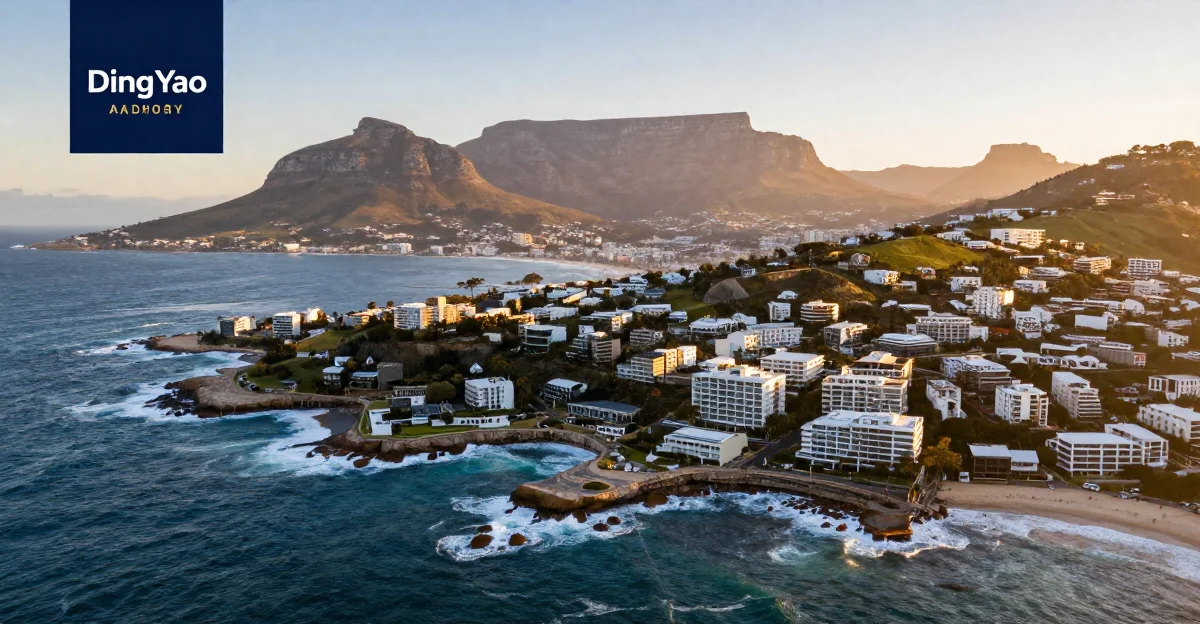
Cape Town property market and rand exchange-rate trends
Cape Town’s premium residential market shows unique appeal to overseas investors during a period of low rand values

2. Dual-Engine Cash Flow: Amplifying Returns at Low Rand Levels

DingYao Advisory’s Phase 1 investment structure has an entry threshold of R 16,000,000 and comprises three components:

Phase 1 Investment Structure (R 16,000,000)

  • Property purchase price: R 10,450,000 — a premium-location property in Cape Town
  • Related fees: approx. R 550,000 — transfer, legal, and trust establishment
  • Post-completion deposit: R 5,000,000 — in a Standard Bank Wealth demand deposit account

This structure generates dual-engine cash flow:

  • Rental engine: R 10,450,000 × 8-10% = R 836,000-1,045,000/year (fully-let income; rental income only accrues when the property is let)
  • Interest engine: R 5,000,000 × 6.5% on a daily-settled, monthly-paid compounding basis ≈ R 335,000+/year (effective annual rate of about 6.72%)

Total annual cash flow: R 1,171,000-1,380,000

3. Lawyer Trust Protection: An Institutional Safeguard for Your Capital

The biggest concern for overseas investors is the safety of their funds. DingYao Advisory adopts a lawyer trust protection structure to ensure every cent is institutionally safeguarded:

Core Mechanisms of Lawyer Trust Protection

  • Overseen by practicing lawyers: the entire process of depositing, holding, and withdrawing funds is supervised by practicing South African lawyers
  • Interest from day one in the trust account: the full R 16,000,000 starts earning interest on the first day it enters the trust account, at roughly R 86,000 per month
  • Never enters a personal account: funds always operate within the trust structure and never pass through any personal account
  • Transparent and traceable: every movement of funds is documented, and investors can verify at any time

4. Cape Town: Premium-Market Resilience Under an Exchange-Rate Discount

Cape Town is the only major South African city to consistently post property price growth. Data from 2025-2026 shows premium residential prices in Cape Town rising 8-12% annually, well above the 2-4% seen in Johannesburg and Durban. Overseas demand is one of the driving forces, with luxury buyers from Europe, the Middle East, and Asia-Pacific continuing to flow in.

With the rand at low levels, overseas investors enjoy a double discount: the exchange-rate discount (cheaper in US-dollar terms) plus bargaining room (as high interest rates restrain local buyers). This combination will quickly disappear once the rand recovers.

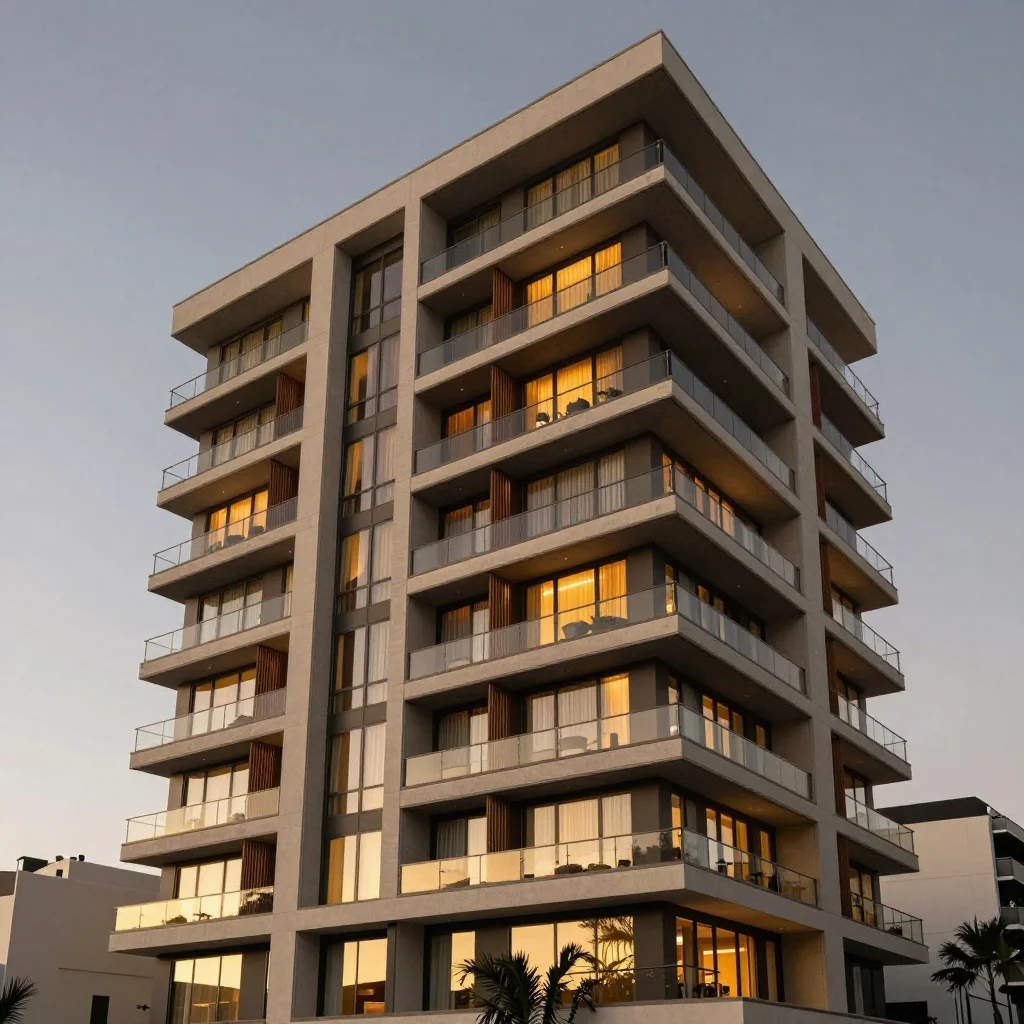
Cape Town luxury residences and ocean views
Cape Town’s premium residential market holds unique appeal during a period of exchange-rate discount

5. Comparison: Entry Thresholds Across Global Premium Property Markets

City Entry Threshold (R) Annual Rental Yield Exchange-Rate Discount
Cape Town (DingYao Phase 1) R 16,000,000 Dual-engine 8-10 + 6.72% ✓ 20-30%
Sydney R 40,000,000+ 3-4%
Vancouver R 35,000,000+ 2-3%
London R 60,000,000+ 2-3%

6. Timing the Entry: Why Now

Three tailwinds are converging:

  • The rand is at historic lows: ZAR/USD 18:1, 20-30% cheaper than the average
  • SARB rates are poised to turn: once the rate-cutting cycle begins, recovering local purchasing power will push prices higher
  • Cape Town demand keeps growing: driven by the dual engines of the semigration trend (relocation from inland provinces to the Western Cape) and overseas investment demand

Once the rand recovers or rate cuts drive prices higher, the current “exchange-rate discount + high-rate restraint” window will narrow quickly. The time for overseas investors to enter at the lowest real cost is now.

Scott Huang

Scott Huang

Business Development — Specializing in Cape Town premium property investment and cross-border wealth management for Asia-Pacific high-net-worth individuals.

Start Your Cape Town Property Journey

Schedule a one-on-one consultation with our team to explore premium investment opportunities in Cape Town's most resilient markets.

Consultation