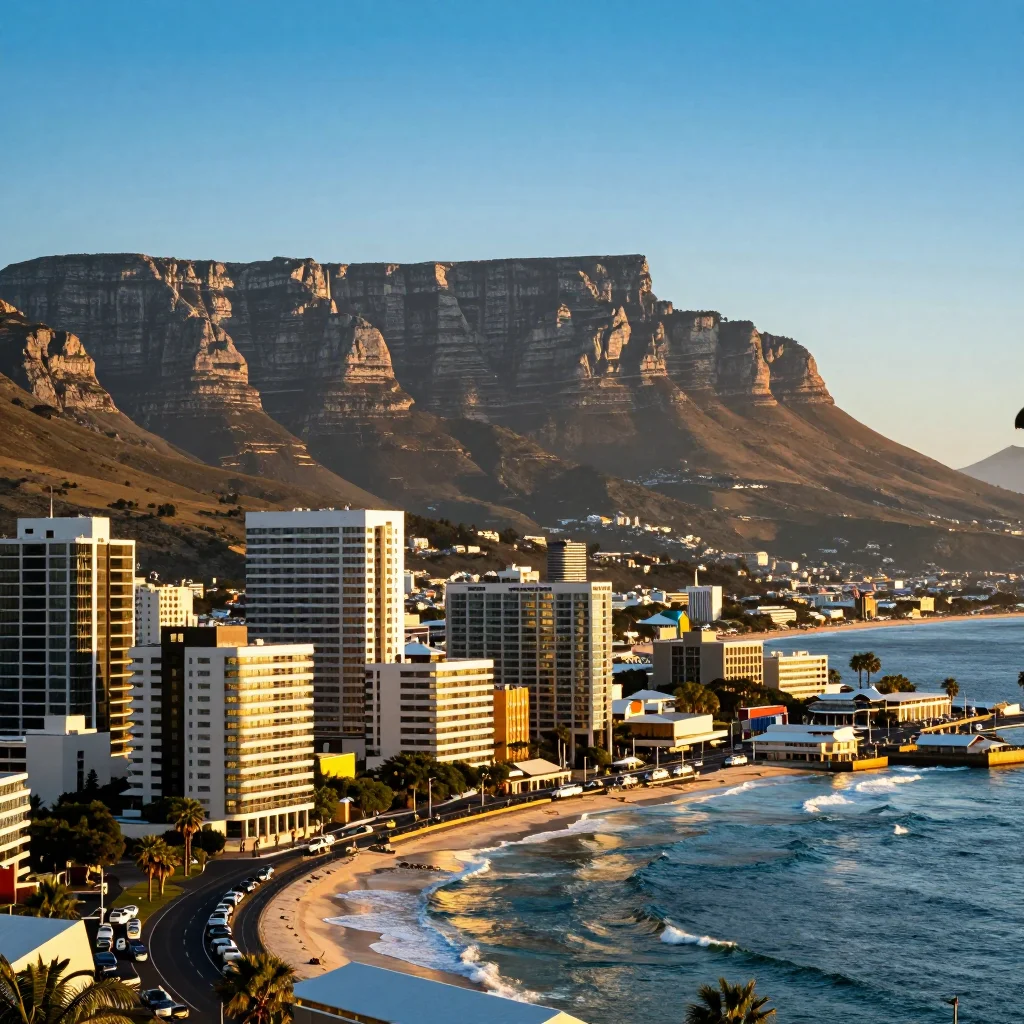
Cape Town CBD one-bedroom apartments: opportunity and risk for foreign investors

The Overseas Asset Allocation Playbook of Taiwan's Wealthy: 86% of Assets Go Abroad

In 2026, Taiwan's asset allocation landscape is undergoing a quiet revolution. While most investors still keep their capital locked inside Taiwan, the country's top-tier wealthy have long since set their sights abroad — 86% of billionaires have already allocated their assets overseas, while the average investor's overseas allocation remains below 20%. What kind of investment secret lies behind this gap?

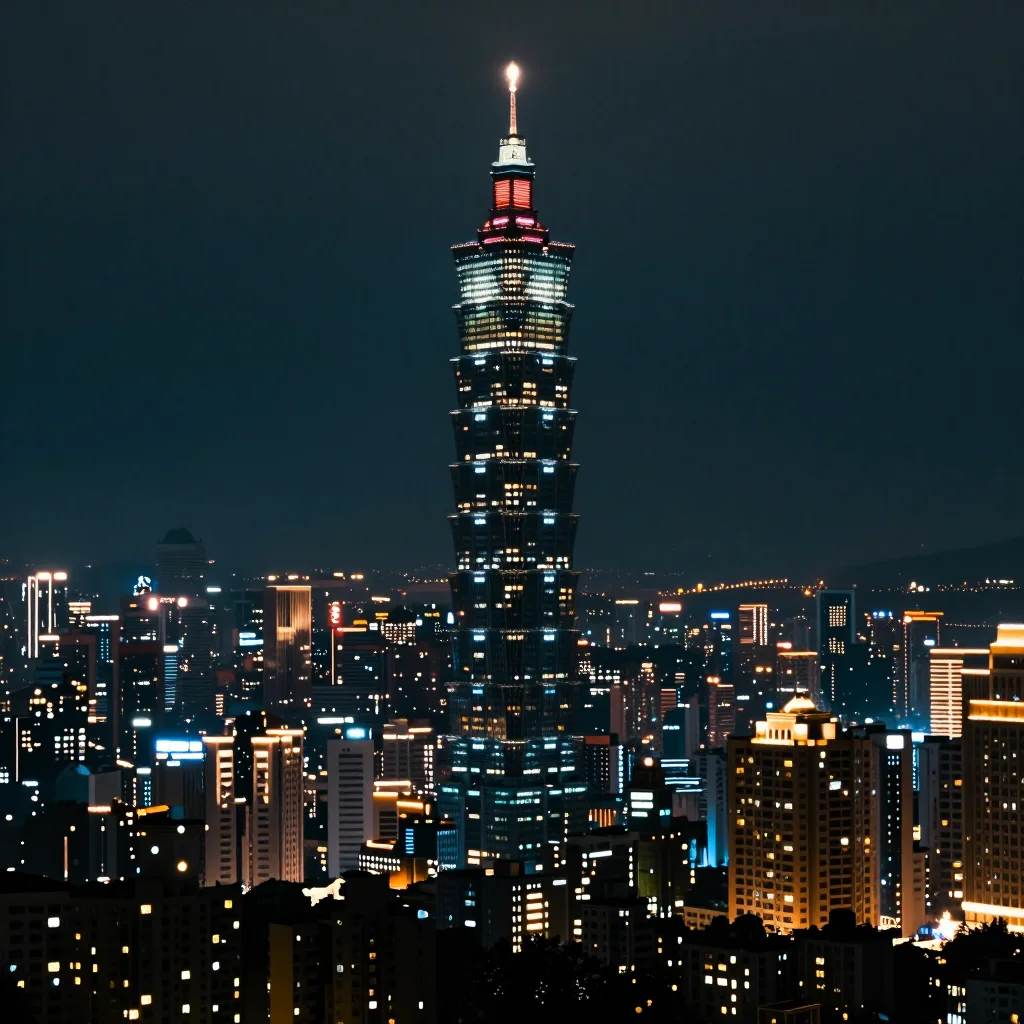
1. The Asset Allocation Landscape of Taiwan's Wealthy

1.1 Capital Outflow Data: What Are the Wealthy Afraid Of?

According to the latest statistics, the number of Taiwanese billionaires holding assets exceeding NT$1 billion is about to break through the 10,000-person mark, with as many as 86% having allocated their core assets overseas. Behind this figure lies a deep-seated anxiety about Taiwan's local investment environment:

IndicatorDataTrend
Overseas allocation ratio of Taiwanese billionaires86%Rising
Overseas allocation ratio of the general public<20%Stagnant
Number of family offices+30% YoYRapid growth
Overseas property enquiries+45% YoYSurging

These figures reveal a harsh truth: information gaps and opportunity gaps are causing average investors to miss out on the opportunity of global asset allocation.

1.2 The Wealthy's Logic for Overseas Allocation

Taiwanese billionaires' overseas asset allocation reveals several clear trends, with real estate being the most favoured target:

  • Overseas real estate: 35-45% of overseas allocation (most favoured)
  • Stocks and bonds: 30-35% (primarily the U.S. market)
  • Private equity and venture capital: 15-20% (diversification)
  • Gold and safe-haven assets: 10-15% (risk hedging)

Why is real estate the most favoured? Because it simultaneously provides the dual functions of "asset preservation" and "cash-flow generation," and physical assets offer a greater sense of security during periods of geopolitical turmoil.

2. The Allocation Blind Spots of Average Investors

2.1 Capital Trapped in Taiwan

Compared with the aggressive positioning of the wealthy, the asset allocation of average investors presents a strikingly different picture:

  • Taiwan real estate: 60-70% of total assets (over-concentrated)
  • Taiwan stocks and funds: 20-25%
  • Cash and time deposits: 10-15%
  • Overseas allocation: <5% (seriously insufficient)

Root of the problem: first, information asymmetry — a lack of real-time information and professional analysis on overseas markets; second, regulatory restrictions — some markets impose thresholds on foreign investors; third, language barriers — difficulty accessing information in English-speaking markets; fourth, trust issues — doubts about overseas agents or management services.

2.2 The Opportunity Cost of Missing Out

While the wealthy enjoy diverse sources of returns in overseas markets, average investors are facing:

  • Persistently low rental yields in Taiwan: 1.5-2.5% (national average)
  • Cooling property price growth: some regions have entered consolidation or decline
  • Currency depreciation risk: assets are denominated entirely in New Taiwan dollars
  • Geopolitical risk: uncertainty over Taiwan Strait tensions

3. Cape Town: The Undervalued Opportunity Ignored by the Wealthy

3.1 Why Is Cape Town Worth Attention?

Among the many overseas real estate options, Cape Town in South Africa is a seriously undervalued market. Compared with the popular destinations of Tokyo, Bangkok, and Kuala Lumpur, Cape Town offers the following unique advantages:

IndicatorCape TownKuala LumpurBangkokTokyo
Gross rental yield6-8%4-6%4-5%3-4%
Annual price growth6.8%2-3%2-4%1-2%
Currency advantageRand at historic lowsStableStableWeak yen
Legal frameworkEnglish common lawEnglish common lawMixed legal systemCivil law
Language environmentEnglishEnglish/MalayThaiJapanese

Cape Town's core competitiveness: first, high rental yields of 6-8%, far surpassing major Asian cities; second, exchange-rate dividend — the South African rand sits at historic lows, effectively offering a built-in "discount effect"; third, rate-cut cycle — the South African Reserve Bank has begun cutting rates, lowering the benchmark rate from 8.25% to 7.5%; fourth, English environment — a fully English business and legal environment with no communication barriers.

3.2 The State of the Cape Town Market in 2026

The South African property market is undergoing a recovery:

  • Annual price growth: 6.8% (2026 Q1)
  • Rate-cut effect: mortgage rates have fallen from 11% to around 9.5%, lowering the cost of buying
  • Influx of foreign capital: European and Middle Eastern investors continue to increase their allocations
  • REIT recovery: South African real estate investment trusts have returned to positive growth

For Taiwanese investors, this is precisely the moment to "enter the right market at the right time."

4. How to Narrow the Allocation Gap with the Wealthy

4.1 Feasible Strategies for Average Investors

Not being able to set up a family office like the wealthy does not mean you cannot participate in overseas asset allocation:

  1. Start with a single property: choose a high-yield, stable market
  2. Use professional rent-to-manage services: solve the pain points of overseas property management
  3. Diversify currency risk: allocate overseas assets across different currencies
  4. Adopt a long-term holding mindset: real estate is a long-term allocation, not short-term speculation

4.2 Cape Town's Practical Advantages

For average investors looking to enter the overseas real estate market, Cape Town offers a combination of low barriers, high returns, and easy management:

  • Entry barrier: compared with Tokyo or Sydney, Cape Town property prices are far more accessible
  • Rent-to-manage plans: professional property management companies offer 8-10% guaranteed rental returns
  • Legal protection: the English common law system ensures clear property title
  • Transparent information: abundant English-language market information with a low research barrier

Conclusion: Global Allocation Is No Longer the Privilege of the Wealthy

Taiwanese billionaires' 86% overseas allocation ratio sends us a clear message: in this era of intensifying volatility, trapping your assets in a single market is itself the greatest risk.

With its high returns, favourable exchange rates, and stable legal environment, the Cape Town property market offers average investors an opportunity to narrow the "wealth gap." As the rate-cut cycle begins and market momentum strengthens, this may well be the optimal time to review your overseas asset allocation.

The key is not how much capital you have, but how you allocate it. By starting in one high-yield overseas market, you too can build your own globally diversified asset portfolio.

Start Your Cape Town Property Journey

Schedule a one-on-one consultation with our team to explore premium investment opportunities in Cape Town's most resilient markets.

Consultation