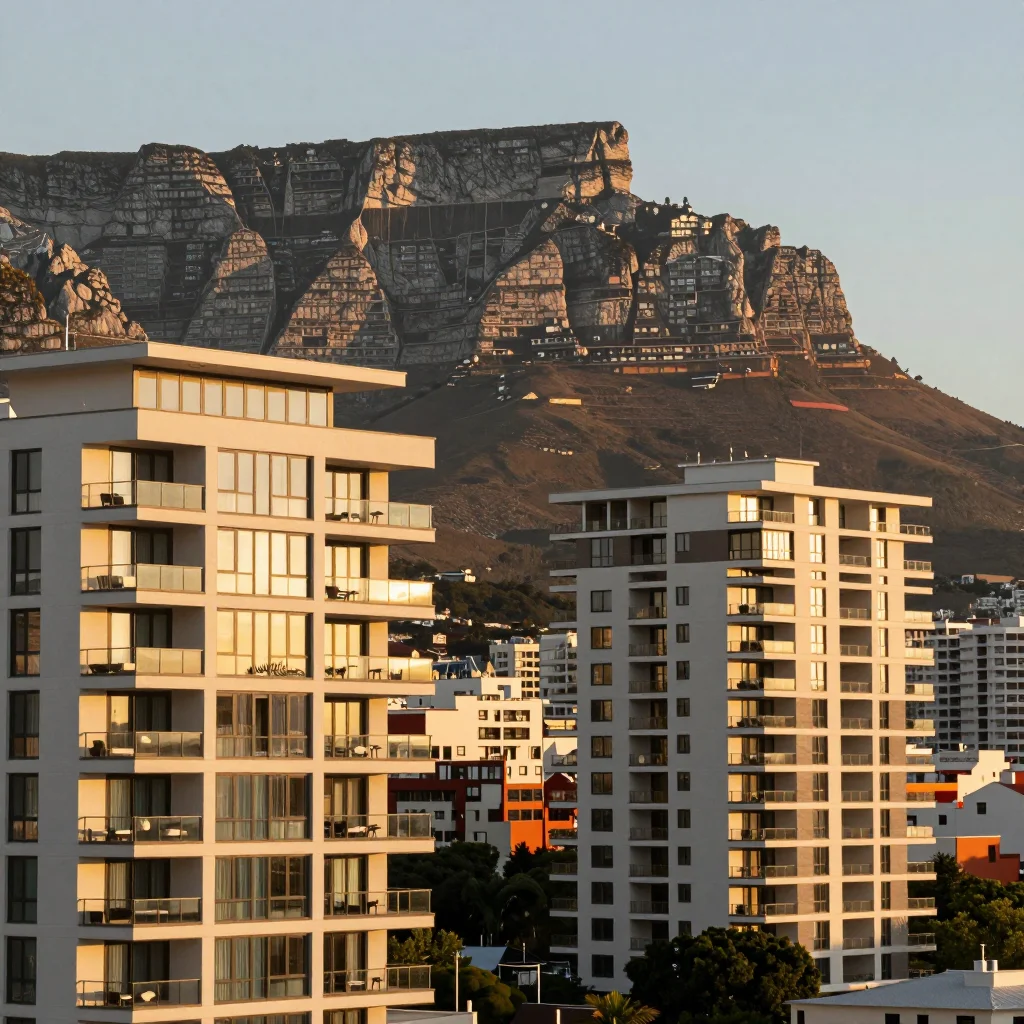
Cape Town CBD one-bedroom apartments: opportunity and risk for foreign investors

If World War III Breaks Out, Would South Africa Be the Safest Place?

As global geopolitical risk continues to rise, "World War III" — once a distant hypothetical — is increasingly entering many people's minds. Whether it is tension in the Taiwan Strait, the ongoing Russia–Ukraine war, or escalating conflict in the Middle East, more and more investors are asking a single question: If the worst happens, where do we go?

In March 2026, multiple international media outlets reported a striking ranking study — Global Firepower conducted with several think tanks found that South Africa ranked 11th among the world's best "safe haven" countries. The news sparked widespread discussion in the international investment community and drew fresh attention to the country at the southern tip of the African continent.

Key Insight: South Africa's geographic position, political neutrality, resource self-sufficiency, and stable climate make it an ideal safe haven in extreme scenarios. For Taiwanese investors, this is not only an asset-hedging choice — through property investment, it may also unlock permanent residency, providing a "turbulent-times insurance" for the family.
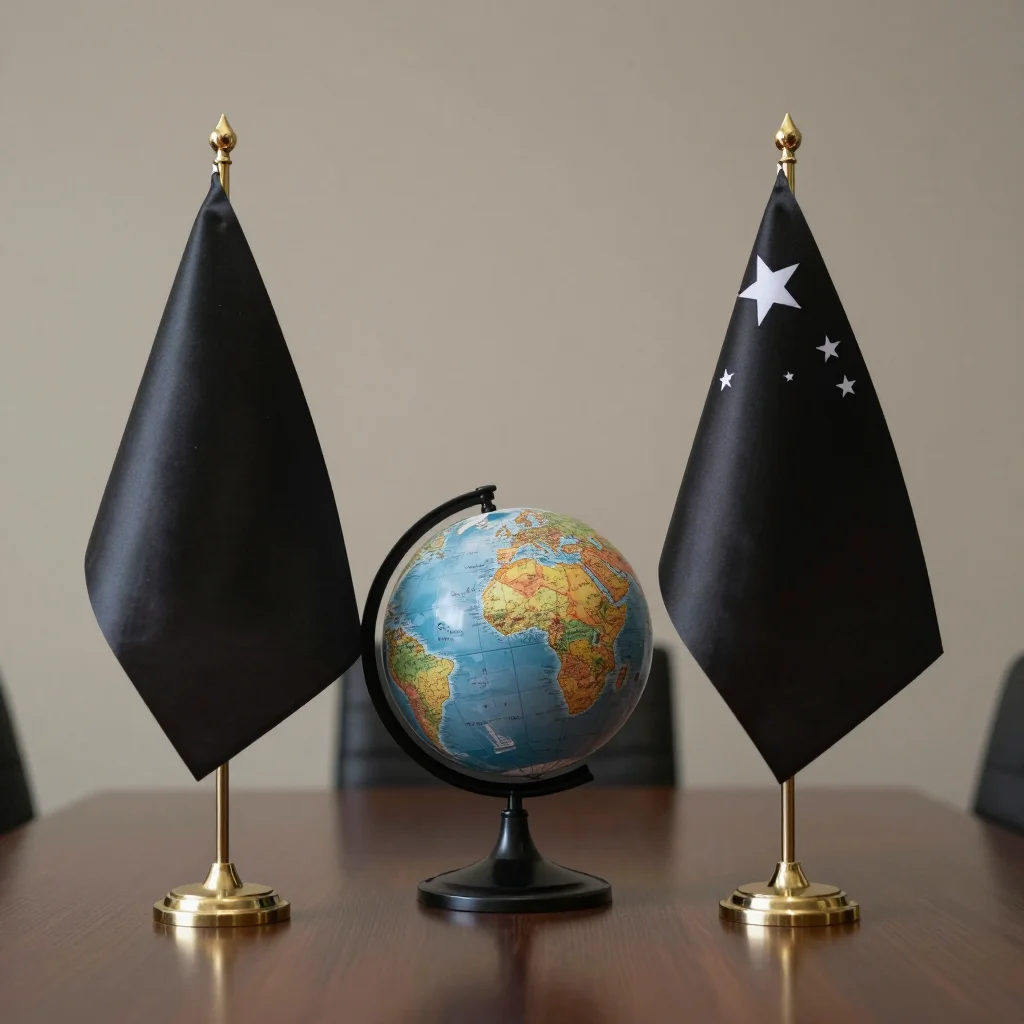
1. Geography: A Natural Barrier of Isolation

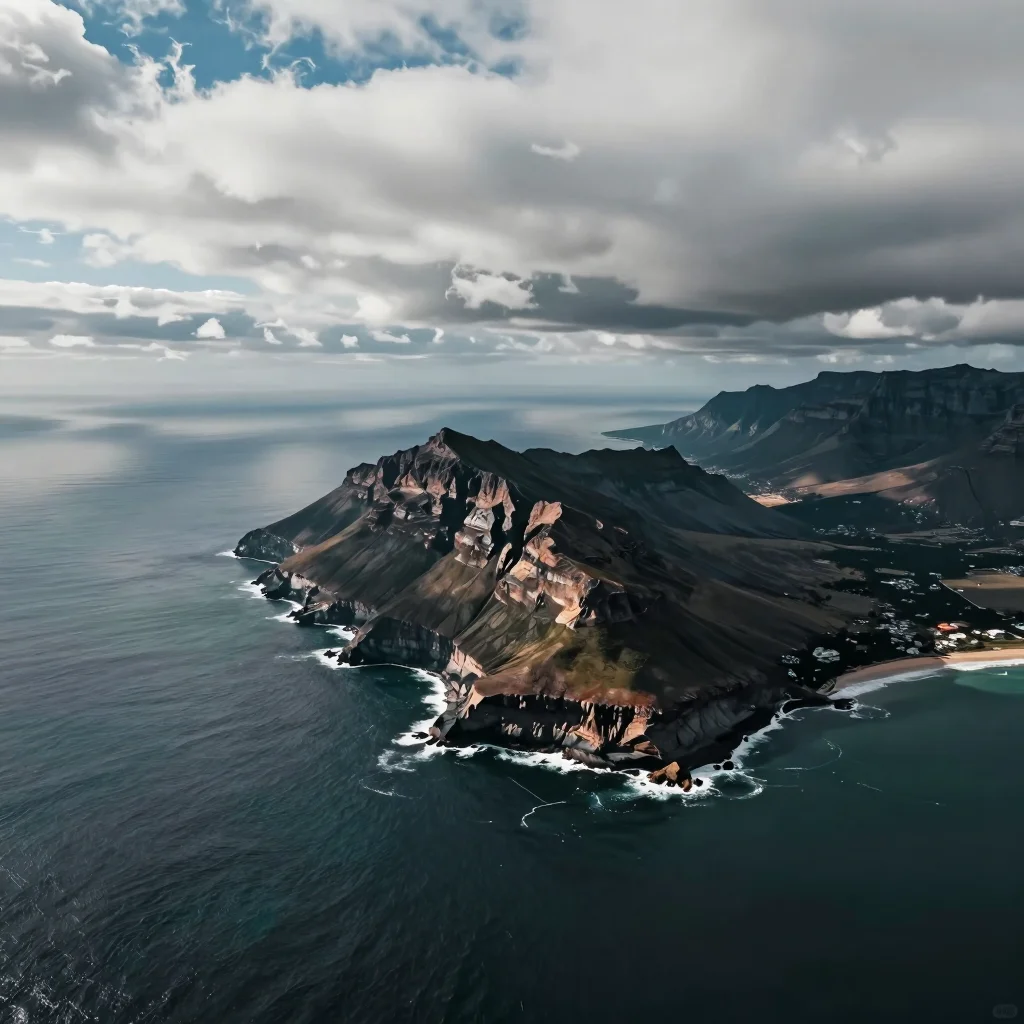
South Africa's greatest advantage begins with its unmatched geographic position. As the southernmost country on the African continent, South Africa keeps an astonishing distance from the world's major potential conflict zones. The straight-line distance from Taipei to Cape Town is about 12,000 km, which means that even in the most extreme scenarios, South Africa can provide a relatively safe buffer.

Specifically, here is South Africa's distance from major geopolitical hotspots:

  • Distance from the Russia–Ukraine conflict: over 9,000 km, more than 12 hours of flight time
  • Distance from Middle East conflict zones: about 7,000 km, separated by the entire African continent
  • Distance from potential East Asian conflict zones: over 12,000 km across the Indian Ocean
  • Equidistant from Europe and the US: able to draw international support without being directly drawn into conflict

"South Africa's location is like a natural fortress — surrounded by ocean on three sides and mountains on the fourth, so no large-scale military operation could reach it quickly." — International geopolitical analyst

More importantly, South Africa shares no border with any major military power. Its neighbors — Namibia, Botswana, Zimbabwe, Mozambique, Eswatini, and Lesotho — are all small countries with minimal military threat. This "perimeter security" environment is remarkably rare on a global scale.

2. Political Neutrality: The Wisdom of Non-Alignment

Beyond geography, South Africa's political stance is a cornerstone of its safety. As a founding member of BRICS, South Africa is also an active participant in the Non-Aligned Movement. This distinctive diplomatic positioning allows South Africa to maintain a delicate yet effective balance in international affairs.

The Dual Advantage of BRICS Membership

As a BRICS member, South Africa maintains close economic cooperation with China, Russia, India, and Brazil. This means South Africa is viewed as "one of their own" by the Eastern bloc; yet at the same time, South Africa also maintains strong diplomatic and trade relations with Western nations — especially the UK, the EU, and the US. This "offend neither side" strategy becomes the greatest guarantee of security in turbulent times.

Specifically, South Africa's neutrality is reflected in:

  • UN voting record: abstaining or voting for peaceful resolutions on many sensitive issues
  • Trade diversification: maintaining active trade with both East and West without over-reliance on any single bloc
  • Military neutrality: joining no military alliances and not allowing foreign forces to be stationed long-term
  • Mediator role: repeatedly acting as a mediator in international conflicts, building broad diplomatic goodwill

3. Natural Resources: The Foundation of Self-Sufficiency

In extreme scenarios, a nation's security depends not only on avoiding war, but on sustaining basic living conditions. From this perspective, South Africa may be one of the world's most "self-sufficient" countries.

According to official South African data, the country is endowed with:

Mineral Resources

One of the world's largest producers of platinum, gold, and diamonds, with abundant rare-earth resources

Agricultural Potential

Arable land covers more than 80% of the country, a major global food exporter

Water Resources

Abundant groundwater and a large dam system that can meet national demand

Energy Potential

Long sunshine hours offer huge solar potential; also rich in coal and wind resources

This means that even in the face of a global supply-chain breakdown, South Africa can sustain basic supplies of food, energy, and industrial raw materials. This "resource security" is something few import-dependent countries can match.

4. Climate Advantage: Natural Conditions for Livability

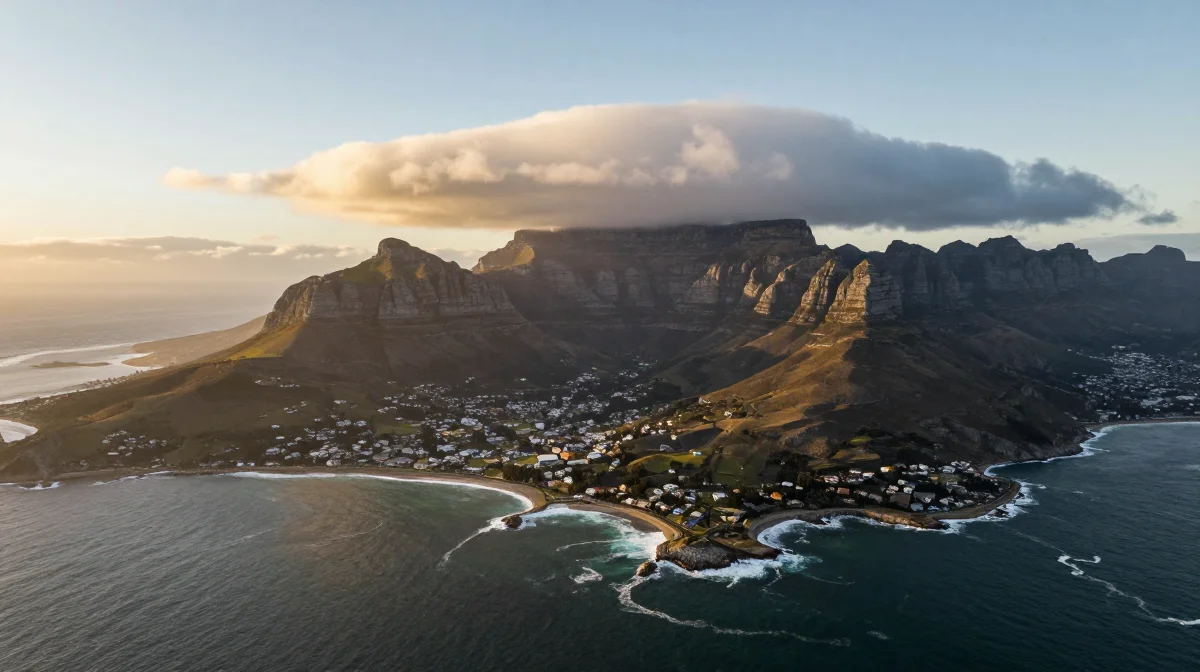
South Africa's climate also strengthens its "safe haven" standing. Coastal areas such as Cape Town enjoy a Mediterranean climate, with dry, warm summers and mild, wet winters. The annual average temperature of about 17-22°C is similar to Taiwan's but more pleasant.

More importantly, South Africa faces relatively low natural-disaster risk:

  • No typhoon threat: located in the Southern Hemisphere's subtropical high-pressure belt, unaffected directly by tropical cyclones
  • Low earthquake risk: not on a major fault line, with few strong earthquakes in recorded history
  • No tsunami risk: geologically stable coastline with low risk of large-scale tsunamis
  • Adequate water: occasional droughts notwithstanding, overall water reserves are substantial

This stable climate not only makes South Africa a pleasant place to live; it also means that even in extreme scenarios, infrastructure maintenance costs are lower and society functions more stably.

5. Property Investment: An Asset Hedge in Turbulent Times

For investors considering "risk hedging," South Africa is not only a geographic safe haven, but also an attractive property-investment destination. According to data from South Africa's real estate associations, rental yields in premium areas such as Cape Town average 8-10%, far higher than Taiwan's roughly 2%.

Why Choose South African Property?

Beyond high yields, South African property offers these advantages:

  1. Extremely low vacancy: only about 1% in premium areas, well below typical international standards
  2. English-speaking environment: business and education conducted mainly in English, with no communication barriers
  3. Rule of law: built on the British legal tradition, with robust property-rights protection
  4. Appreciation potential: as infrastructure keeps improving, property values are expected to rise over the long term
  5. Currency advantage: the South African rand (ZAR) sits at a relatively low point, offering a favorable entry window

What's more, South Africa's immigration policy is relatively welcoming. Through qualifying property investment, investors and their immediate family members can apply for South African permanent residency, providing a "turbulent-times insurance" for the family.

6. Why Choose DingYao Advisory?

As the exclusive APAC digital-marketing hub for Crestline Advisory, DingYao Advisory focuses on helping Taiwan's high-net-worth investors build a presence in South Africa. We understand that for investors weighing "risk hedging," capital security and information transparency are the most important considerations.

Our service advantages include:

Capital Security

Investment funds are held in the lawyer's TPFA trust account, disbursed to developers against contractual milestones, and transferred to a Standard Bank Wealth private banking account after handover

Transparent Digital Platform

A proprietary Client Portal that lets you monitor your overseas assets in real time, even from Taiwan

Local Expert Team

Deep partnership with Crestline Advisory for first-hand access to premium investment opportunities

Our curated offerings — the Durbanville luxury estates, heritage homes in Stellenbosch, and luxury green-belt properties in Constantia — are all located in Cape Town's safest, most appreciation-rich areas, making them ideal for preserving capital and planning residency in turbulent times.

Prepare a Turbulent-Times Insurance for Your Family

South Africa ranks 11th among the world's safest countries, 12,000 km from Taiwan, with the advantages of political neutrality, resource self-sufficiency, and a stable climate. A property investment of around ZAR 22 million not only delivers stable returns of 8-10%, but can also secure permanent residency for you and your family. Book now for a tailored investment assessment.

Book Now