Are you searching for a new direction in overseas asset allocation? With Taiwan's property market in a policy-driven cooling period, Dubai facing a geopolitical storm, Thailand cracking down on foreign nominee ownership, and Australia banning foreign buyers — the world's once-popular investment destinations are flashing warning signs. Where should capital go?
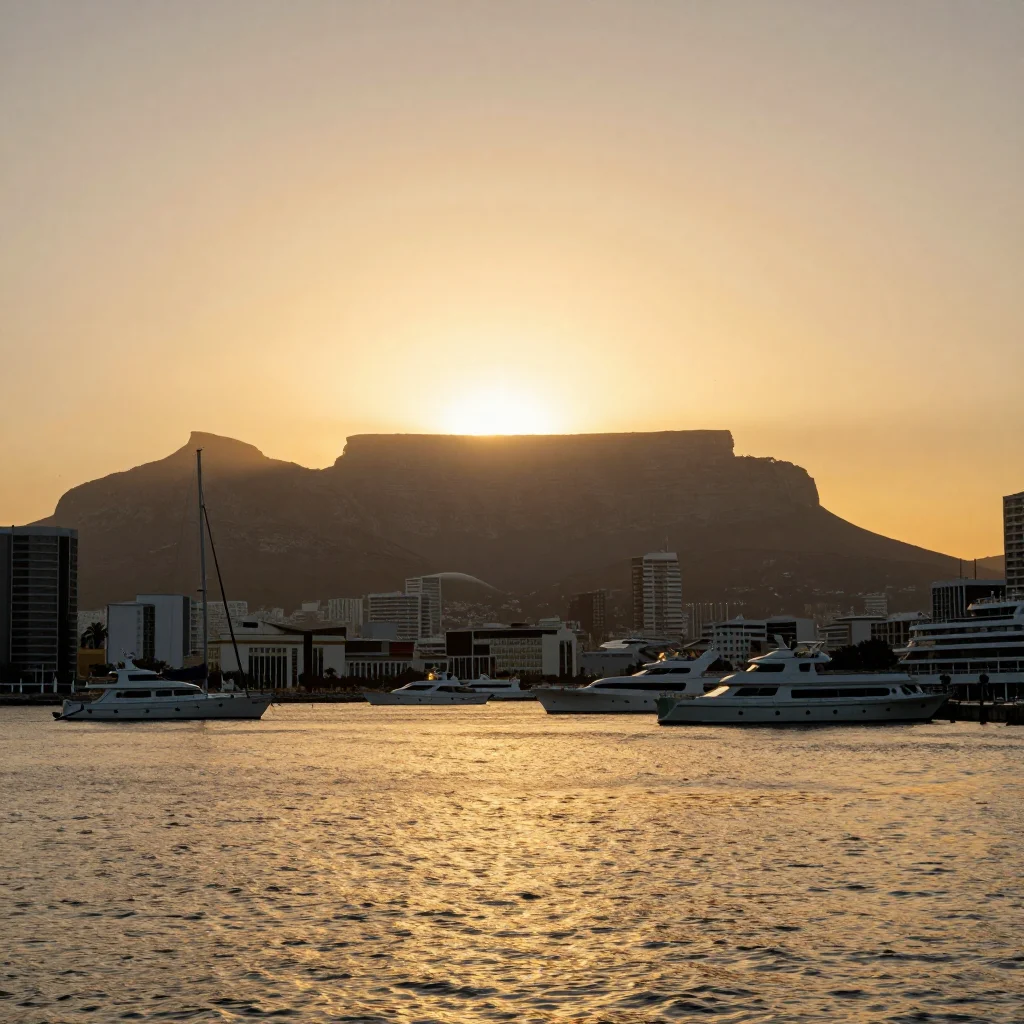
The answer may lie somewhere you would not expect: Cape Town, South Africa.
This African gem is enjoying a unique demographic dividend — a wave of skilled professionals returning from overseas. Carrying foreign-currency assets back to Cape Town, these professionals are not only driving the premium property market, but also creating a rare "free ride" opportunity for Asian investors.
More importantly, Cape Town offers Africa's top universities, the British education system, and an internationalized lifestyle — this is not merely an investment, but a strategic choice that paves the way for the next generation.
1. The Context of the Talent Return: Why Now?
A "Homecoming Wave" Driven by Global Conditions
Between 2025 and 2026, a striking trend has taken shape: the return of South Africa's overseas talent. According to South African recruitment agencies, the willingness of expatriate South Africans to return and seek work at home grew 70% in 2025 versus the prior year, the highest in nearly a decade.
Behind this "homecoming wave" is the combined effect of shifting global conditions:
Rising Global Economic Uncertainty
- European economic growth has stalled, and the aftershocks of Brexit continue to ripple
- US political polarization and policy swings are unsettling overseas professionals
- Sky-high property prices in Australia and New Zealand create enormous cost-of-living pressure
Improving Domestic Environment in South Africa
- In October 2025, South Africa was formally removed from the FATF (Financial Action Task Force) grey list, sharply improving its international standing
- The G20 Summit was hosted in Cape Town, bringing unprecedented global visibility
- Interest rates entered a cutting cycle, falling from 11.75% to 10.25%, improving the financing environment
The Economic Logic of "Reverse Migration"
This is not simply an emotional return, but the result of rational calculation. South African professionals who spent years building careers in London, Sydney, and Dubai have discovered a compelling fact:
"The same professional skills translate into a better quality of life in Cape Town."
An investment banker who returned to Cape Town from London's financial district shared: "In London I earned £150,000 a year, taking home about £100,000 after tax — and still could not afford an apartment in the city centre. Back in Cape Town, my purchasing power multiplied fivefold overnight. With the same professional skills, I bought my dream home with a sea view in Clifton, with money left over to invest."
Characteristics of Returning Talent: High Net Worth, Highly Educated, Globally Minded
These returning professionals share several common characteristics:
| Characteristic | Description |
|---|---|
| Overseas tenure | Average of 8-15 years of overseas work experience |
| Professional fields | Finance, technology, healthcare, engineering, law |
| Asset size | Most carry foreign-currency assets and can afford to buy property |
| Educational background | Graduates of top overseas or South African universities |
| Family status | Mostly married with children, placing high value on education |
What unites them: they have competed in the world's most demanding markets and experienced the lifestyles of London, New York, and Sydney — yet ultimately chose to return to Cape Town. That choice itself is a powerful signal.
2. Impact on the Property Market: Talent-Driven Structural Demand
"Return Buyers" in the Premium Market
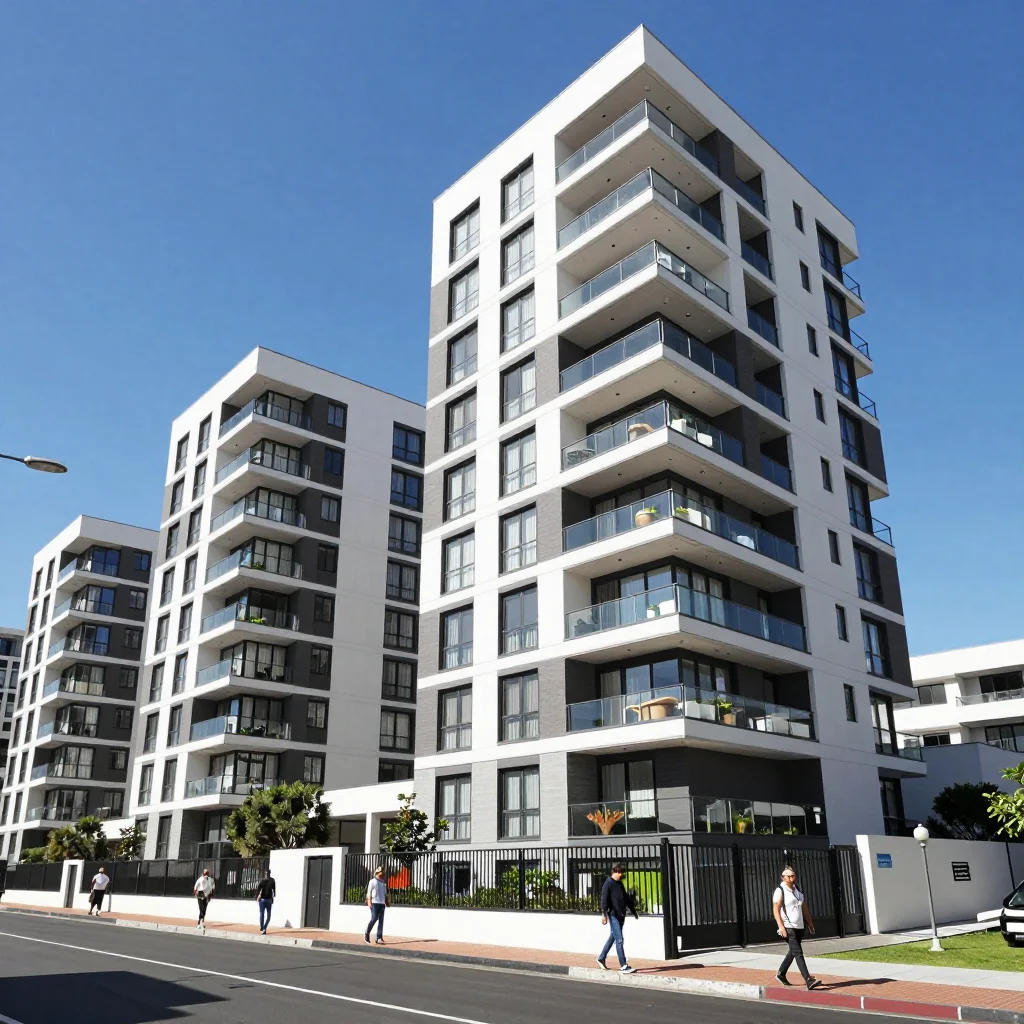
This talent-return wave is directly boosting Cape Town's premium property market. According to reports from DG Properties and Hamilton's Property Portfolio, Cape Town's high-end market in 2025 showed the following characteristics:
Record Transactions in Top-Tier Properties
- Luxury homes above R50 million have moved from "collector-grade" to an actively traded tier
- Transactions of premium properties above R100 million hit record highs
- Prices on the Atlantic Seaboard reach R170,000 per square metre
The Purchasing Power of Returning Talent
These returning professionals bring not just demand, but "high-quality demand":
| Origin | Average assets carried | Preferred areas |
|---|---|---|
| United Kingdom | £500k-1.5M | Atlantic Seaboard, City Bowl |
| Australia | AUD 800k-2M | Claremont, Constantia |
| Dubai | USD 300k-800k | V&A Waterfront, Sea Point |
| United States | USD 400k-1M | Green Point, Hout Bay |
Their purchasing power comes from assets accumulated overseas, combined with the advantage of the South African rand exchange rate — meaning dollar-denominated overseas assets can buy several times more property value in Cape Town than in London, Sydney, or Los Angeles.
Why Should Asian Investors Pay Attention?
You might ask: what does this have to do with me?
The answer is: this talent-return wave creates "dual demand" — local structural demand plus a revival of foreign-investor confidence.
For Asian investors, this means:
- Real buying support: not pure speculation, but a structural market underpinned by genuine housing demand
- Upward price momentum: the foreign-currency purchasing power of returning talent drives premium prices higher
- Active rental market: returning talent tends to rent first, creating strong premium rental demand
- Greater internationalization: more international talent gathering in the area raises the quality of life
Cape Town is transforming from "the Cape Town of South Africans" into "the Cape Town of international talent" — a structural shift no property investor can afford to ignore.
3. Investment Opportunity Analysis: Cape Town's Triple Value
Value 1: The Currency Advantage — Surging Purchasing Power
The South African rand (ZAR) trades at around 15.8 to the US dollar, near its highest level since June 2020 — meaning the rand is relatively weak, creating an excellent entry point for investors holding foreign currency.
Currency Conversion Example
| Currency | Exchange-rate change (vs 2021) | Purchasing-power change |
|---|---|---|
| US Dollar | +35% | Can buy more rand-denominated assets |
| Rand (R) | +28% | The same budget buys a larger unit |
| Chinese Yuan | +32% | Renminbi investors benefit handsomely |
A Concrete Example
- A premium Cape Town coastal apartment: R5 million
- 2021 cost: about USD 350,000
- 2026 cost: about USD 316,000
- Savings: USD 34,000 (a nearly 10% discount)
This is not "bargain hunting" but a "structural advantage" — as an emerging market, exchange-rate volatility is inherent to South Africa, and the current moment is especially favorable to foreign investors.
Value 2: British Higher Education — The Best Choice for Your Children's Education
For Asian investors who value their children's education, Cape Town offers a little-known advantage: a world-class British higher-education system.
University of Cape Town (UCT)
- Africa's top-ranked university
- Ranked in the world's top 200 in the QS university rankings
- British education system with internationally recognized degrees
- Internationally acclaimed medical, law, and business schools
Stellenbosch University
- South Africa's leading research university
- Renowned for engineering, agriculture, and wine science
Advantages of the British System
| Item | Description |
|---|---|
| Degree recognition | Highly recognized in the UK, Australia, New Zealand, and beyond |
| Progression pathway | Seamless pathway to UK postgraduate study |
| Tuition cost | About one-third of UK domestic tuition |
| Cost of living | About one-quarter of London's |
Imagine: your children can receive a university education of equal quality to the UK's in Cape Town, at one-third of the tuition, with globally recognized degrees upon graduation — this is not about "saving money," but "maximizing value."
More importantly, Cape Town has a well-developed international school system, with excellent English-taught options from kindergarten through high school, laying a seamless international education path for the next generation.
Value 3: Post-G20 Global Integration — Unprecedented Visibility
In 2025, Cape Town hosted the G20 Summit, South Africa's first time hosting the world's most important economic forum. The post-G20 effects are profoundly reshaping Cape Town's international standing:
Infrastructure Upgrades
- Cape Town International Airport is being expanded, with more direct routes added
- Roads and public transport systems are improving
- Convention centres and commercial facilities are being upgraded
International Companies Moving In
- Tech companies are establishing regional headquarters
- Financial-services firms are expanding their footprint
- Demand for talent at multinationals is rising
Enhanced International Image
- Extensive global media coverage
- Tourists returning and boosting the services sector
- International investor confidence is rebounding
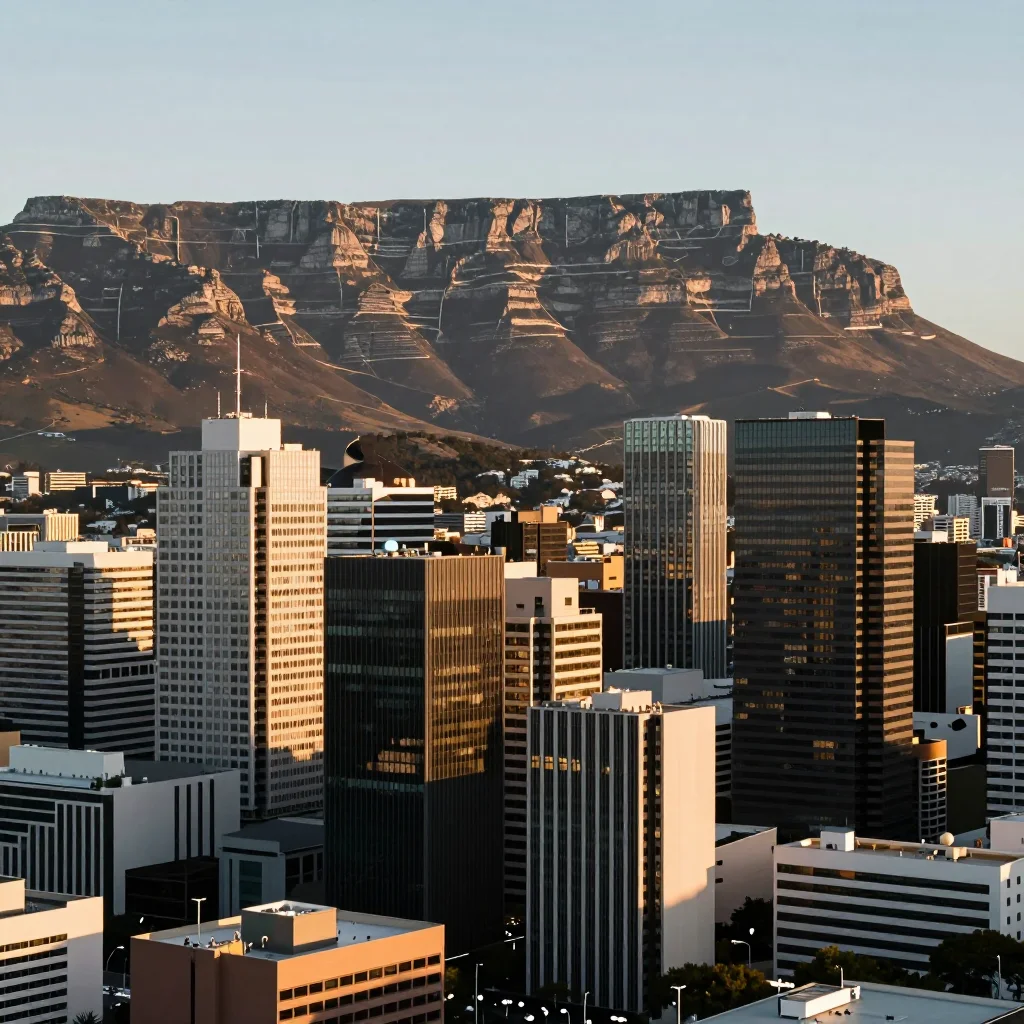
The G20 effect is not a fleeting news flash but a structural international integration — Cape Town is transforming from "the Cape Town of Africa" into "the Cape Town of the world."
4. Risks & Mitigation: The Risks of Investing Alone
The Three Major Risks of Investing in South Africa
To be honest, every investment carries risk. Investing in South Africa is no exception:
Risk 1: Exchange-Rate Volatility
- The rand is volatile, which can affect returns calculated in your home currency
- Long-term holding reduces the impact of short-term swings
Risk 2: Moving Funds In and Out
- South Africa's exchange controls have been substantially relaxed, but you still need to understand the rules
- Large outbound transfers require tax clearance
Risk 3: Legal & Tax Considerations
- South Africa has unique transfer-duty and capital-gains-tax rules
- The purchase process for foreigners differs slightly from that for citizens
Why Do You Need DingYao's Advice?
Investing in South African property on your own is like navigating a maze in a foreign country — you can try, but the cost may be time, money, and even legal risk.
Professional Services from DingYao Advisory
| Service | Description |
|---|---|
| Property selection | In-depth knowledge of Cape Town's areas to select the right investment for you |
| Legal advice | Explain South African property law and help you complete transactions lawfully and compliantly |
| Tax planning | Analyse purchase taxes, holding costs, and sale liabilities so you know the numbers |
| Fund transfer | Help you understand transfer channels and avoid bottlenecks |
| Property management | End-to-end rental management and maintenance services |
Why Choose DingYao?
- Years of South Africa expertise: we are not newcomers chasing a trend, but a professional team with a long-term focus on the South African market
- We understand Asian investors: we know what matters to you — currency, tax, law, education, and lifestyle
- End-to-end service: from consultation to handover, and from renting to selling, we stay with you every step of the way
- Transparent and honest: we do not sugar-coat risk or inflate returns — we provide honest market analysis
5. Conclusion: Ride the Tailwind of the Talent Return
The wave of skilled South African talent returning home is not a fleeting news topic but a structural demographic trend. These professionals, who have built careers around the world, have voted with their feet and chosen to return to Cape Town — in itself the highest endorsement of Cape Town's quality of life and investment value.
For Asian investors, this talent-return wave creates a rare "free ride" opportunity:
- Currency advantage: foreign purchasing power has surged, making this an ideal entry point
- British education: paves an international education path for the next generation
- Global integration: post-G20 Cape Town enjoys unprecedented visibility
Of course, investing in South Africa is not for everyone. But if you:
- are looking for a new direction in overseas asset allocation
- value international education opportunities for your children
- see growth potential in emerging markets
- want a relatively stable option as global property risk rises
then Cape Town deserves your serious consideration.
Next Step: Consult DingYao
Our South African property experts will provide you with:
- In-depth analysis of curated Cape Town opportunities
- Tax and legal planning for Taiwanese investors
- Advice on moving funds and managing currency risk
- On-the-ground management and rental-property services
- Consulting on education-pathway planning for your children