Impact on the Cape Town Property Market
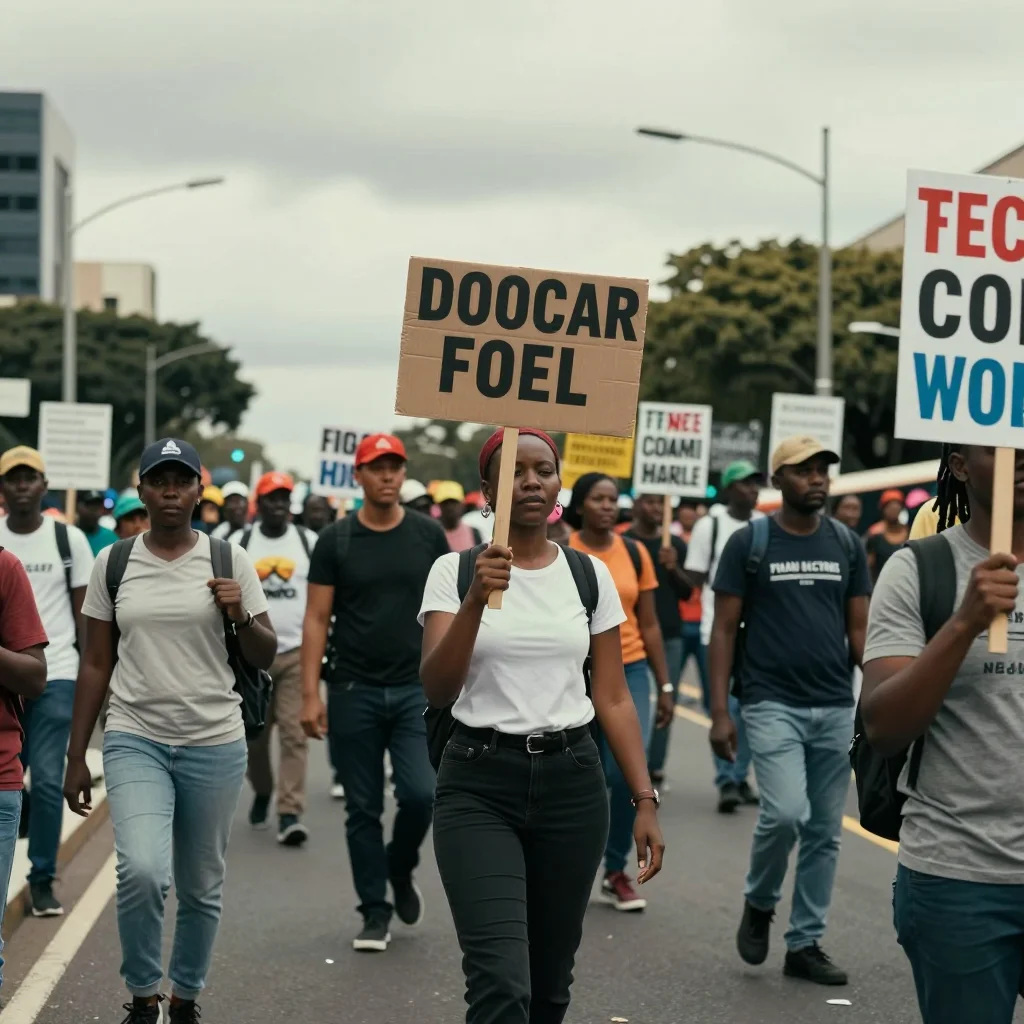
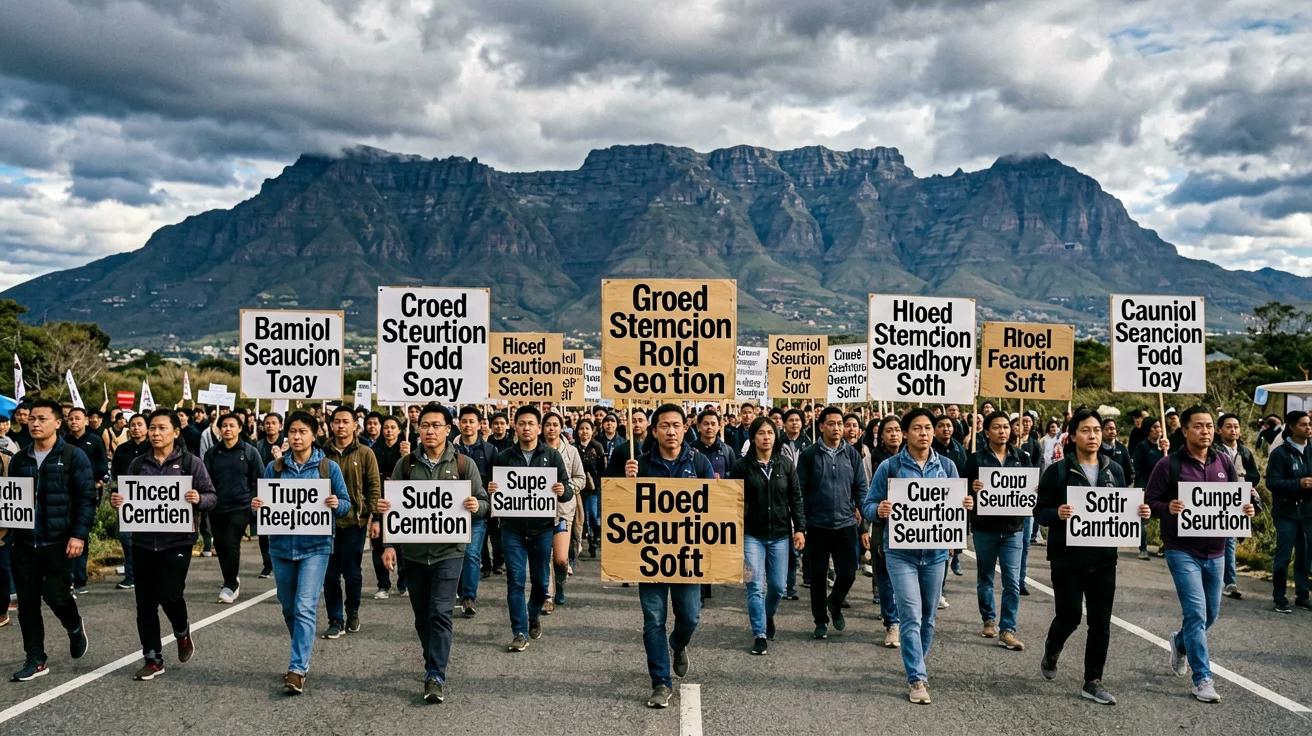
As South Africa's legislative capital and economic hub, Cape Town has remained relatively calm during this protest wave. Although the March and March Cape Town chapter marched to Parliament on June 13, the scale of demonstrations in Cape Town has been far smaller than in Johannesburg and Durban.
This is related to Cape Town's socio-economic structure. Cape Town is one of South Africa's most international cities, with a large foreign investor community and multicultural heritage. The Western Cape provincial government is relatively efficient in handling immigration and security issues, giving Cape Town greater resilience during periods of social unrest.
Short-Term Impact
The June 30 National Shutdown may cause short-term market hesitation, with some transactions potentially delayed. However, historical experience shows that the impact of such social movements on the property market is typically temporary and limited:
- After the 2008 xenophobic riots (62 deaths), the South African property market returned to normal within 6 months
- After the 2015 xenophobic wave, Cape Town high-end property prices hit new highs within 12 months
- After the 2019 xenophobic incidents, the Cape Town market experienced only 2 months of transaction volume decline
Long-Term Outlook
From a long-term perspective, Cape Town's property market fundamentals remain solid:
- Supply Constraints — Premium residential inventory in Cape Town remains tight, especially in high-end communities such as Durbanville, Constantia, and Stellenbosch
- International Demand — Demand from remote workers, retirees, and investors from Europe and Asia continues to grow
- Infrastructure — Cape Town continues infrastructure upgrades, including airport expansion, highway improvements, and new commercial district development
- Safe-Haven Appeal — During periods of social unrest, high-end property is often viewed as a safe-haven asset, with capital potentially flowing from commercial areas to premium residential properties
Advice for Investors: Periods of social unrest often present good entry opportunities. Historical data shows that in the 6-12 months following xenophobic incidents in South Africa, Cape Town high-end property prices have risen an average of 5-8%. For investors with long-term holding plans, the current market hesitation period may offer negotiation leverage. The key is to choose reputable developers and law firms to ensure transaction security.