> >
International Buyers Flock to Cape Town: How Foreign-Currency Investors Position in South Africa's Premium Property

International Buyers Flock to Cape Town: How Foreign-Currency Investors Position in South Africa's Premium Property | DingYao Advisory

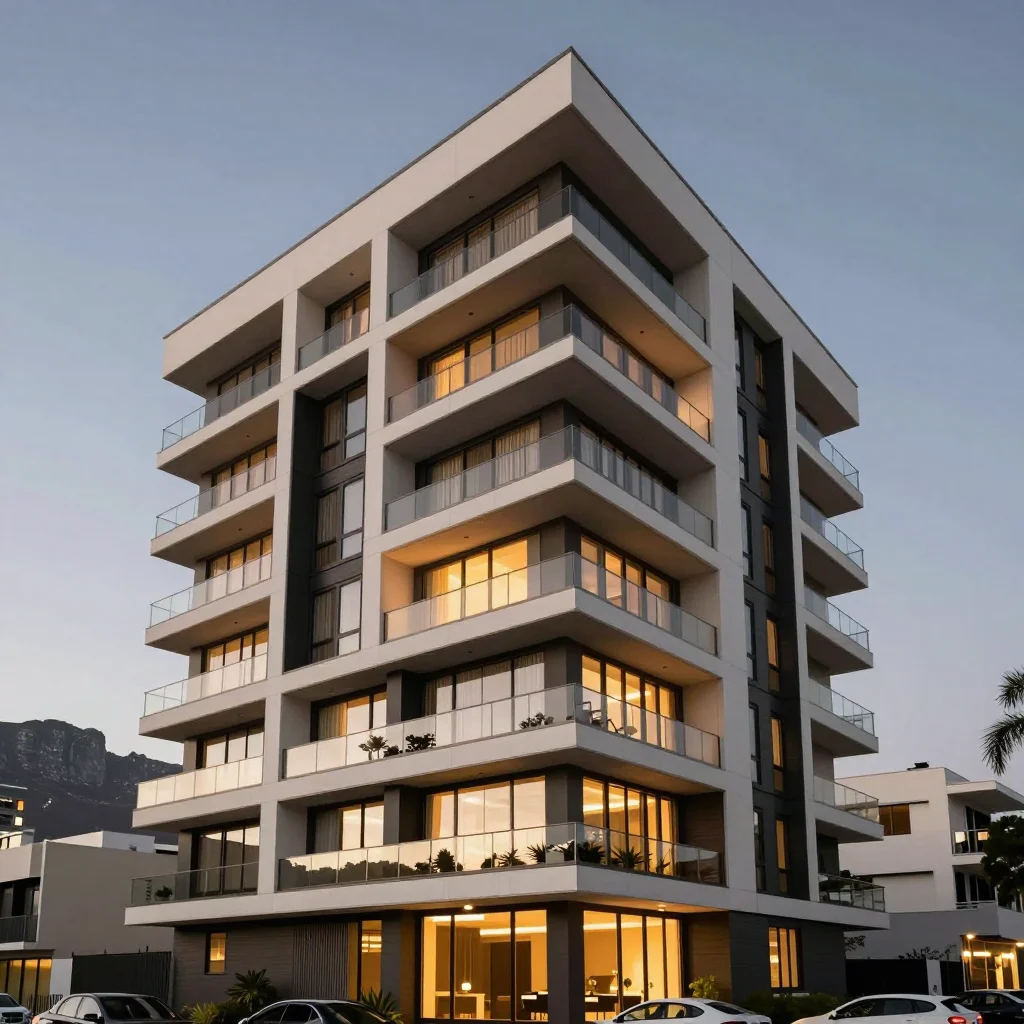
In May 2026, a clear trend has emerged in South Africa's premium property market: foreign buyers are accelerating into Cape Town. According to Daily Investor, purchases of South African properties exceeding R 10 million by foreign nationals have continued to climb, and Cape Town — the city most favoured by international capital — is welcoming a fresh wave of overseas investment. For investors holding foreign currency who are seeking property abroad, Cape Town today offers not only an exchange-rate discount window but also a mature legal framework that protects the property rights of foreigners. This article examines in depth the path international buyers take to enter the Cape Town market, the key legal and compliance points, and how the DingYao Phase 1 South Africa property plan builds a dual-engine cash flow for foreign-currency investors.

Why Do Foreign Buyers Choose Cape Town?

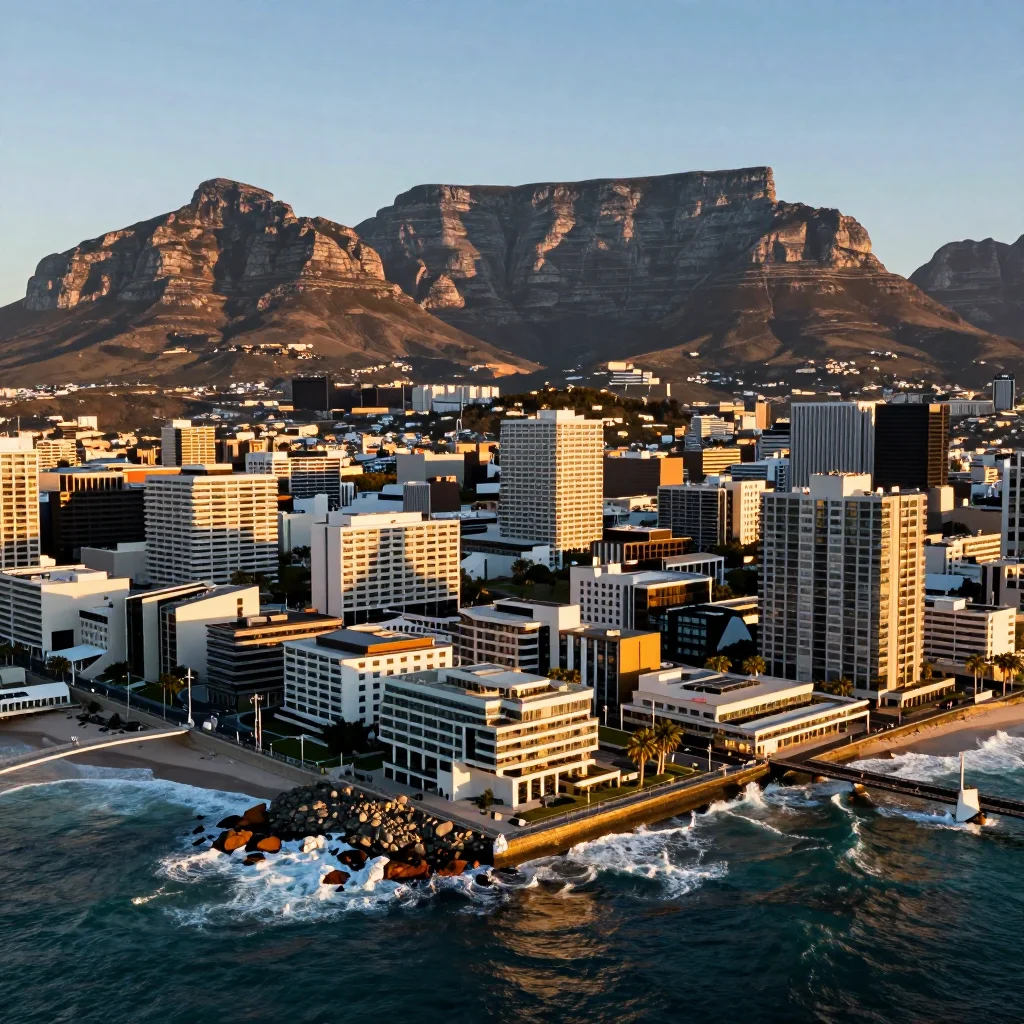
Cape Town has long accounted for the vast majority of foreign-buyer transactions in South Africa. Areas such as the V&A Waterfront, Atlantic Seaboard, and Sea Point have become the preferred targets of international investors thanks to their sea views, safe environment, and complete lifestyle amenities. According to Seeff market reports, Western Cape property prices have risen 179.6% since 2010 — far outpacing the national average of 109.4% — while prime Cape Town areas have grown at an annual rate of 9.3%.

Three forces drive this trend. First, Semigration 2.0 — international remote workers are steadily relocating to Cape Town, and tech giants such as Amazon, Microsoft, and Google are expanding locally, bringing a large pool of high-income expatriate tenants. Second, South Africa's landlord confidence index has reached an 11-year high (88%, Absa data), and supply-demand imbalance continues to push up premium property values. Third, the exchange-rate window — ZAR/USD currently sits at roughly 18:1; compared with the historical average of 14:1, foreign-currency buyers enjoy a purchasing-power discount of approximately 28%.

The Legal Framework for Foreigners Buying South African Property

In a feature published on 28 May 2026, Moneyweb clearly states that foreigners may hold South African property on a freehold basis, with the same rights as local nationals. This is the foundational question most overseas investors care about: in South Africa, foreign buyers can register directly as owners of a property without using a local nominee agent or requiring a special visa.

However, foreign buyers must still pay attention to the following compliance points:

  • Capital Movement Controls: The South African Reserve Bank (SARB) regulates cross-border fund flows, but as long as declarations are made lawfully and compliantly, there are no material obstacles to moving funds in or out. Through a lawyer trust protection structure, the entire process of transferring in, holding, and transferring out funds is overseen by professional lawyers, so investors do not need to handle complex declaration procedures themselves.
  • Capital Gains Tax (CGT): Non-residents must pay capital gains tax when selling South African property. Planning the holding period and exit strategy in advance can effectively manage the tax impact.
  • Transfer and Registration: Property transfers in South Africa must be handled by a practising conveyancing attorney. The process takes roughly 6-8 weeks, with costs amounting to about 5-8% of the purchase price.

For overseas investors unfamiliar with South Africa's legal system, the biggest compliance challenge is not the regulations themselves, but finding a reliable, transparent operating structure. This is precisely where the value of the lawyer trust protection mechanism lies.

Exchange-Rate Discount + Interest Rate Advantage: A Dual Arbitrage Window

South Africa's current macroeconomic environment offers foreign-currency investors a rare dual arbitrage opportunity:

Exchange-rate discount — ZAR/USD remains in the region of 18:1, meaning investors transacting in foreign currency enjoy nearly 28% additional purchasing power compared with the historical average. In other words, the same US-dollar capital can buy significantly more property value in Cape Town today than it could five years ago.

Interest-rate advantage — South Africa's Prime Rate currently stands at 10.75%, far above the interest-rate environment of developed economies. Depositing funds into a Standard Bank Wealth call account earns 6.5% compound interest settled daily and paid monthly (an effective annual rate of approximately 6.72%). In the current global rate-cutting cycle, such a risk-free yield is extremely rare.

These two advantages do not exist independently; they create a compounding effect. Foreign-currency buyers first acquire an asset at a discounted exchange rate, then generate cash flow in a high-rate environment — both engines running in tandem.

The DingYao Phase 1 Dual-Engine Structure: A Complete R 16,000,000 Allocation

The DingYao Phase 1 South Africa property plan has an entry threshold of R 16,000,000 and features a transparent three-stage capital allocation designed specifically for overseas investors:

Allocation ItemAmount (R)Description
Property purchase priceR 10,450,000Property in a prime Cape Town area
Associated costsapprox. R 550,000Transfer, legal, trust establishment, etc.
Post-transfer depositR 5,000,000Standard Bank Wealth call account
TotalR 16,000,000Complete entry threshold

Dual-engine cash flow breakdown:

  • Rental engine: R 10,450,000 x 8-10% fully-let income = annual rental income of R 836,000 - 1,045,000 (income is earned only when the property is let; not a guaranteed fixed rate)
  • Interest engine: R 5,000,000 x 6.5% compound interest settled daily, paid monthly = approximately R 335,000+ in annual interest (effective annual rate of about 6.72%)
  • Total annual cash flow: R 1,171,000 - 1,380,000

Even more notable is the hidden engine — waiting-period interest. The full R 16,000,000 begins earning interest the moment it sits in the trust account, generating approximately R 86,000 per month (about R 2,849 per day). The client's capital is never idle from day one.

Common Pain Points for International Buyers and DingYao's Solutions

Pain PointDingYao Solution
Unfamiliar with local law and taxationLawyer trust protection structure — fully compliant with no worries
Concerns over cross-border remittance complianceTrust account handles fund flows, vetted by professional lawyers
Worried about vacancies and rent collectionCape Town's expatriate tenant market (tech, remote workers) with rent-to-manage services
ZAR exchange-rate volatilityDual-engine structure diversifies risk; the interest engine provides stable base income
Opaque entry processR 16,000,000 broken into three stages — every rand accounted for

Who Is Buying? A Profile of Cape Town's Foreign Buyers

International buyer groups currently active in Cape Town's premium property market come mainly from Europe (the Netherlands, the United Kingdom, Germany), Asia (Singapore, Hong Kong, Taiwan), and the Middle East. Their common characteristics are: holding foreign-currency capital, seeking asset diversification, valuing legal protection, and expecting stable cash flow.

Among these, the V&A Waterfront is the most popular for its waterfront lifestyle and international community; Atlantic Seaboard attracts high-net-worth individuals seeking privacy and sea views; and City Bowl, as an emerging hotspot, draws younger professional investors with relatively reasonable prices and rapid appreciation potential.

Entry Timing Analysis

SARB completed its latest interest-rate decision on 28 May 2026, and market expectations have stabilised. Against the fourfold backdrop of an exchange rate at a historic discount, interest rates still higher than in developed economies, record-high property-market confidence, and sustained inflows of foreign buyers, this is a clear window for foreign-currency investors to position themselves in Cape Town.

Compared with other overseas property markets (low European rates, Australia's high entry thresholds, and weaker legal protection in Southeast Asia), Cape Town combines three conditions at once — low threshold and high returns, legal transparency, and the exchange-rate dividend. DingYao's lawyer trust protection further lowers the barrier to entry.

Conclusion

The influx of international buyers into Cape Town is not a coincidence — it is a structural trend. Exchange-rate discount, interest-rate advantage, property-market supply-demand imbalance, and expatriate tenant demand: these four forces are simultaneously propelling Cape Town to the top of the list for overseas investment. With its transparent R 16,000,000 entry structure, a dual-engine annual cash flow of R 1,171,000-1,380,000, and end-to-end compliance backed by lawyer trust protection, DingYao Phase 1 paves a complete route from capital to returns for foreign-currency investors. For investors seriously considering overseas property, the question is no longer "whether to enter" but "how to enter securely."

---

Scott Huang

Scott Huang

Business Development — Specializing in Cape Town premium property investment and cross-border wealth management for Asia-Pacific high-net-worth individuals.

Start Your Cape Town Property Journey

Schedule a one-on-one consultation with our team to explore premium investment opportunities in Cape Town's most resilient markets.

Consultation