G20 Summit Cape Town property opportunities

G20 Summit Cape Town Property Opportunities: How R12bn Infrastructure Investment Reshapes the Market

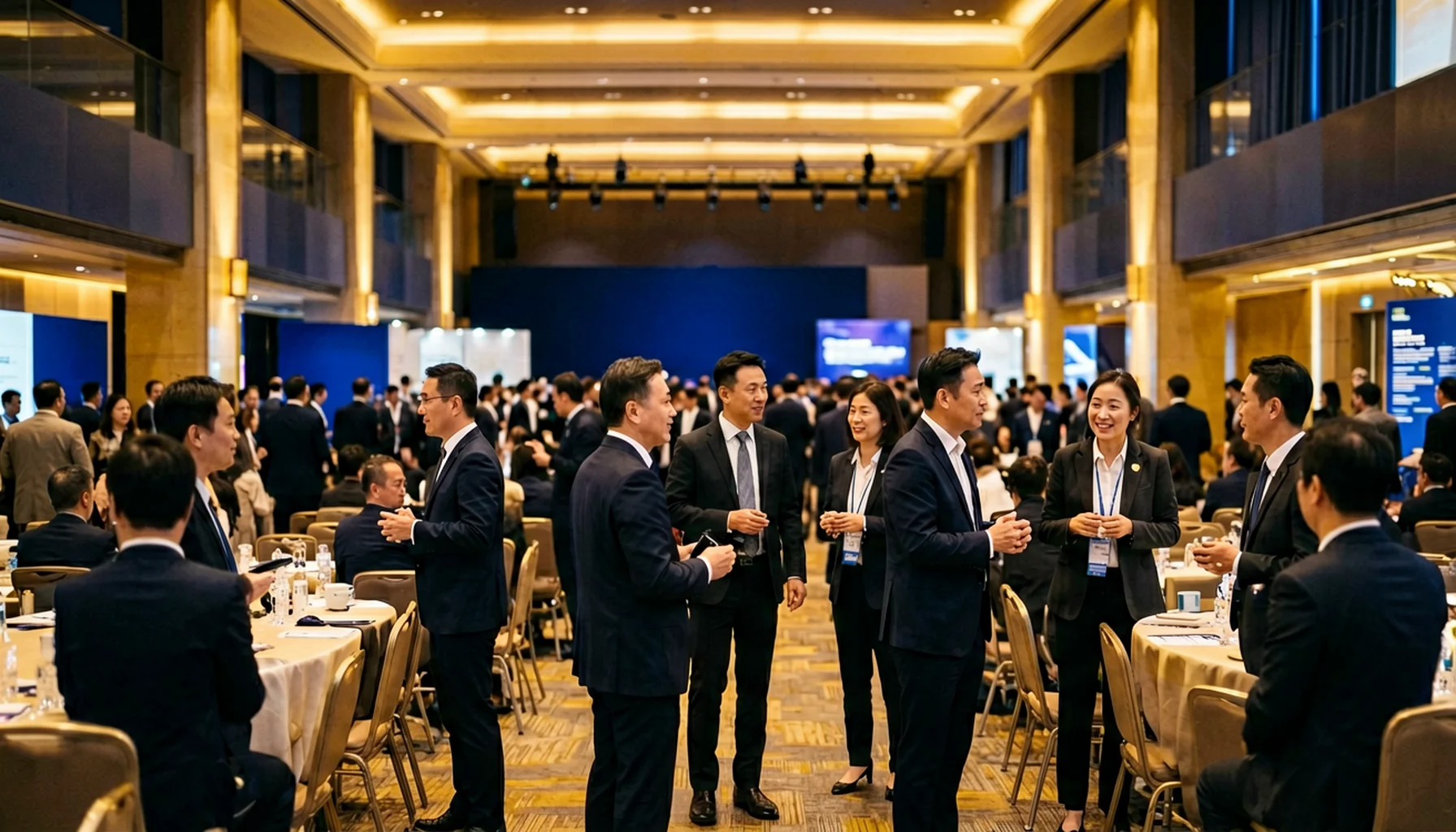
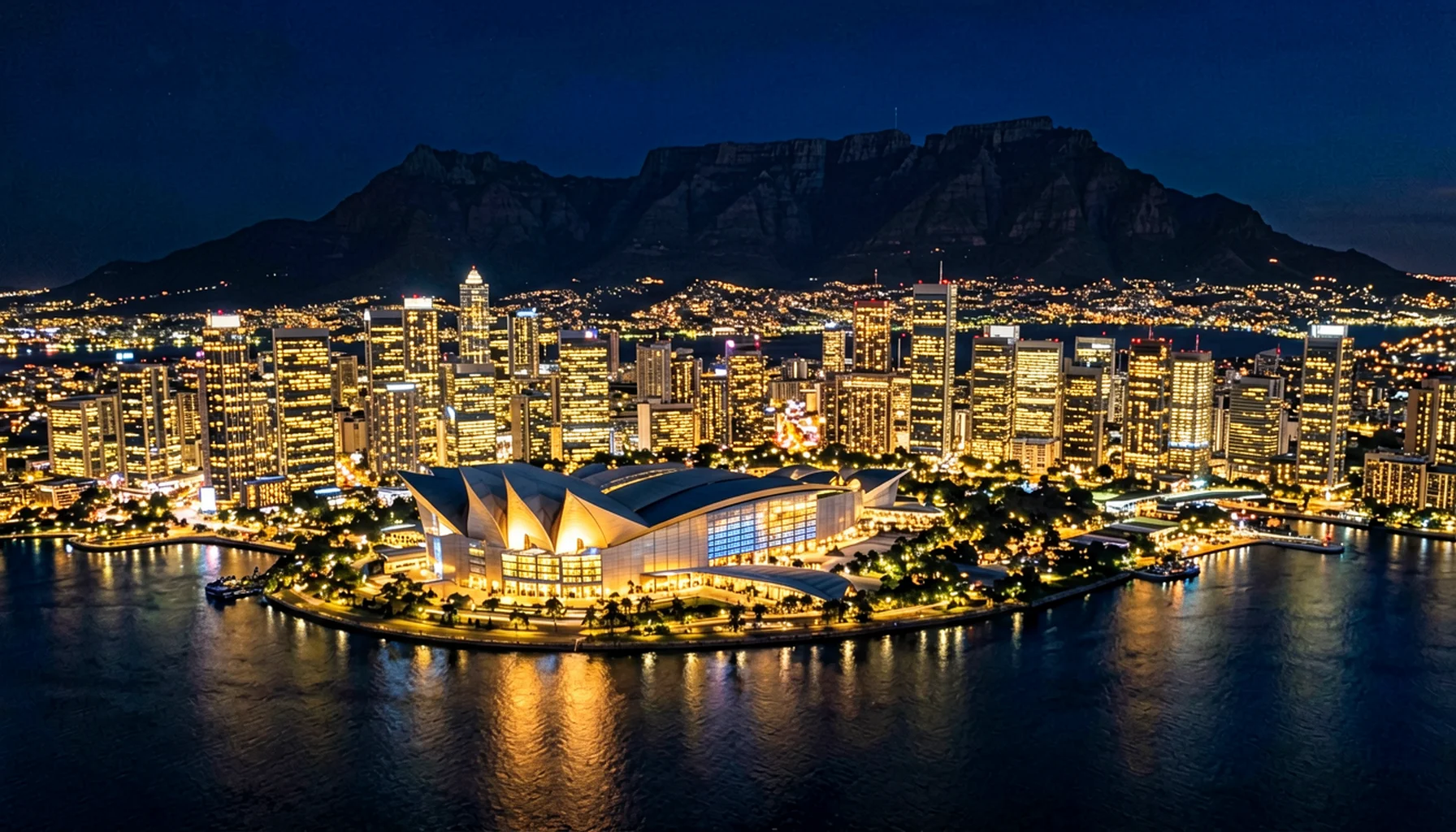
When the world's attention turned to the Cape Town International Convention Centre in November 2025, smart investors saw not a headline but the dawn of a new era. In November 2025, South Africa became the first African nation to host the G20 Summit. The event was more than a political and diplomatic milestone — it marked a structural turning point for the Cape Town property market.

1. The G20 Summit: Not Just a Conference, but a Catalyst for Urban Upgrading

1. The G20 Summit: Not Just a Conference, but a Catalyst for Urban Upgrading

1.1 The Numbers Behind the Summit Investment

South Africa's investment in the G20 Summit set a record for infrastructure spending on a single event in Africa:

Investment Area Amount (ZAR 100M) Impact on the Property Market
Transport infrastructure45Airport expansion and road upgrades improving regional accessibility
Convention centre expansion28Surge in commercial demand around the V&A Waterfront
Security and communications22Raising the city's safety rating and attracting long-term residents
Urban beautification and public facilities25Improving quality of life and supporting property premiums
Total120Structural value uplift

These investments are not a "one-off expense" but a permanent urban upgrade. The Cape Town International Airport's new second runway, the three expanded terminals, and the rapid bus lane from the V&A Waterfront to the airport will continue to unlock value over the next decade.

1.2 A Step Change in International Visibility

Hosting the G20 Summit fundamentally reshaped how global investors perceive Cape Town:

Before the Summit

  • A seaside holiday city at the southern tip of Africa
  • A retirement haven for European and American retirees
  • A niche, adventurous investment target

After the Summit

  • Africa's international business hub
  • A gateway city for emerging markets
  • A must-have for global asset allocation

According to Cape Town Tourism, within three months of the summit searches related to "Cape Town investment" surged 287%, while bookings from Asian business travellers grew 156%.

1.2 A Step Change in International Visibility

2. Infrastructure Upgrades: Which Areas Benefit Most?

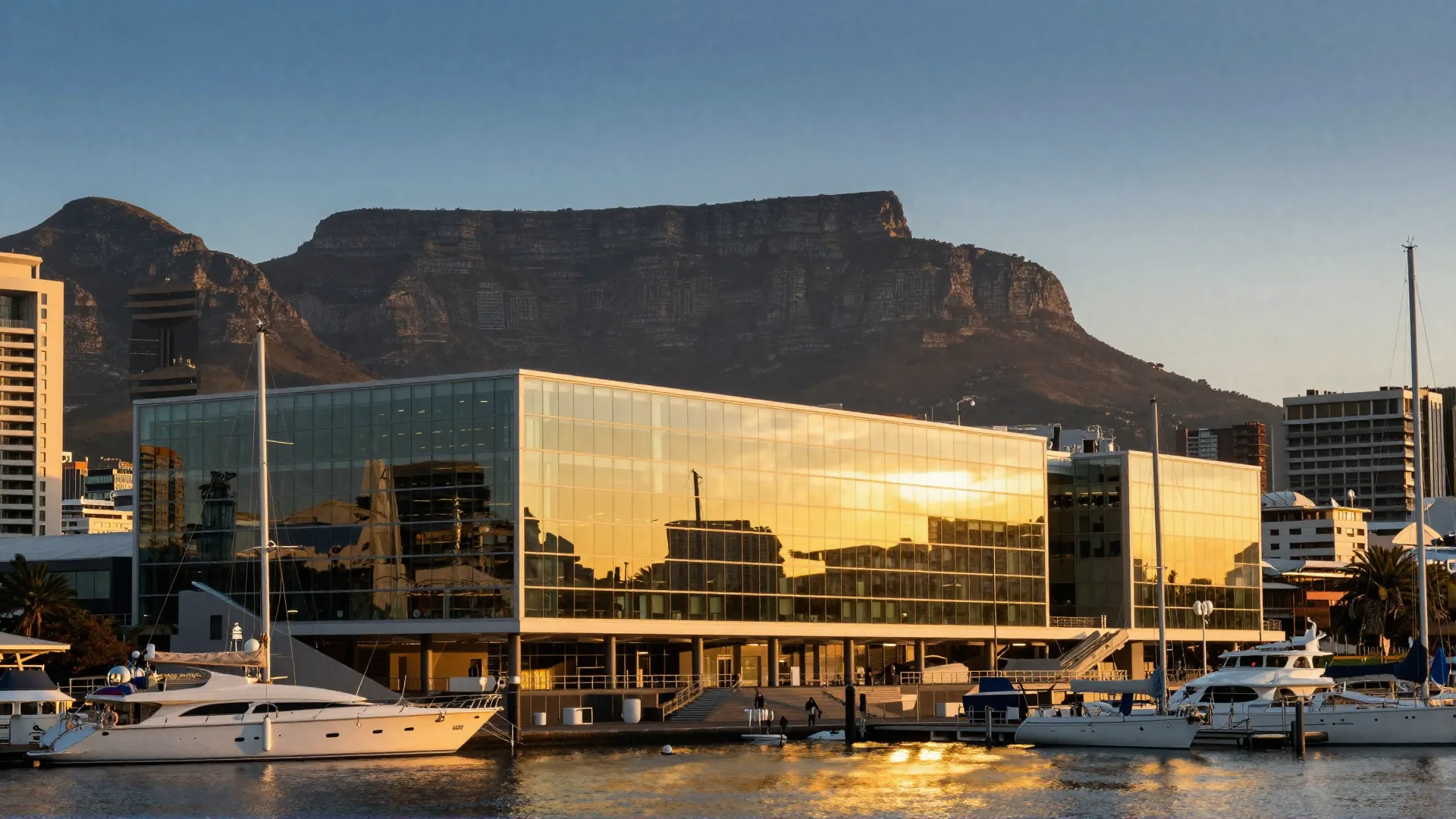
2.1 V&A Waterfront: From Tourist Attraction to International Business Hub

The G20 Summit's main venue was the Cape Town International Convention Centre (CTICC), just one street away from the V&A Waterfront. During the summit, the world's most influential political leaders, entrepreneurs and investors gathered here.

Metric Before Summit (2025 Q2) After Summit (2026 Q1) Change
Average price (R/m²)95,000112,000+17.9%
Average daily short-let rateR3,200R4,800+50%
Corporate long-let demandBaseline+85%Strong growth
Vacancy rate8.5%4.2%Down 4.3%

2.2 Foreshore & CBD: The Undervalued Value Gap

The Foreshore area (between the V&A Waterfront and the traditional CBD) is the biggest beneficiary of the G20 infrastructure investment. This once-neglected harbour district is transforming into Cape Town's "new financial city".

Area 2026 Avg Price (R/m²) Expected 3-Year Growth Risk Level
V&A Waterfront112,00015-20%Low
Foreshore68,00035-50%Medium
City Bowl52,00020-25%Low
2.2 Foreshore & CBD: The Undervalued Value Gap

3. Policy Dividend: Visa Facilitation and Investment Liberalisation

3.1 A Major Relaxation of the Investor Visa

From January 2026, South Africa introduced a new "Investor Visa" policy:

Visa Type Old Policy New Policy (from 2026) Change
Investor visa thresholdR5,000,000R2,500,000Reduced 50%
Processing time18-24 months6-12 monthsFaster
Family membersSpouse and children onlyInclude parentsExpanded scope
Residence rightsAnnual renewal required3-year validityMore convenient

An investor visa that previously required an investment of about R4,700,000 now requires only about R2,350,000. This makes "invest + relocate" a viable option for more middle-class investors.

3.1 A Major Relaxation of the Investor Visa

4. The Conference Economy: A New Blue Ocean for the Short-Let Market

4.1 The Scale of the Conference Economy

Conference Type 2025 Events 2026 Bookings Growth Rate
International summits (500+)1228+133%
Corporate annual meetings (200-500)4582+82%
Industry forums (100-200)89156+75%
Total146266+82%

4.2 The Golden Rules of Corporate Short Lets

Unlike tourist short stays, business travellers have the following characteristics:

  • High spending power: daily budget of R4,000-8,000 (tourists R1,500-3,000)
  • Stable demand: fixed conference dates, low cancellation rates
  • High quality expectations: require high-speed internet, workspace and meeting facilities
  • High loyalty: satisfied guests book again
4.2 The Golden Rules of Corporate Short Lets

5. Investment Strategy: An Entry Guide for the Post-Summit Era

Judging the Timing Window

Many investors worry: "The G20 is over — have we missed the best time?"

The answer: It is not too late; rather, this is the beginning of the "second wave". The first wave (pre-summit positioning) has passed, but the second wave (the release of infrastructure value) has only just begun.

Seeking Stable Cash Flow

Top pick: Prime City Bowl (stable long-let demand)

Budget: R3M-R6M

Expected net rental yield: 6.5-8%

Seeking Capital Growth

Top pick: Foreshore new development area (value gap)

Budget: R5M-R10M

Expected 3-year appreciation: 35-50%

Seeking Premium Short Lets

Top pick: V&A Waterfront (conference economy core)

Budget: R8M-R20M

Expected gross rental yield: 8-12%

Judging the Timing Window

6. Call to Action: From Observer to Participant

The G20 Summit has changed the game in Cape Town. The question is: are you ready to be part of this transformation?

Next-Step Action Checklist

Act Now (This Week)

  • Define your investment budget and goals
  • Contact a professional adviser
  • Research 2-3 target areas

Short-Term (Within 1 Month)

  • View properties in person or virtually
  • Compare 3-5 eligible options
  • Open a South African bank account

Medium-Term (Within 3 Months)

  • Submit an offer and enter negotiations
  • Complete legal due diligence
  • Finalise a property management plan

"Every generation has its own investment opportunity. The 2025 G20 Summit opened a similar window for Cape Town. Once the infrastructure upgrades are complete, once the international business networks are built, once investor confidence is secure — Cape Town will no longer be the "Cape Town of Africa", but the "Cape Town of the world". History never repeats, but it rhymes."

Start Your South Africa Property Planning

Get professional South African property investment advice and market analysis. Let DingYao Advisory help you make informed investment decisions.

Book Consultation

【Compliance & Disclaimer】

1. Company Statement: DingYao Advisory (Ding Yao Advisory) is a Taiwan-based consultancy providing asset allocation, immigration advisory, overseas account opening, and second-generation education coordination services. DingYao does not engage in real estate brokerage or dealer activities within the Republic of China (Taiwan), nor does it handle, collect, or hold any property transaction funds.

2. Information Source & Contracting Party: The South African property, development projects, market data, and related images in this article are provided by overseas partners Crestline Advisory (Pty) Ltd and developer CanvasCrest Properties, for overseas asset allocation and market reference only, and do not constitute any offer, solicitation, or investment guarantee. All property-related purchase agreements, fund payments, and title transfers are executed directly between the buyer and overseas licensed developers/institutions in accordance with local law.

3. Statutory Risk Warning: "Foreign real estate investment carries risks. Investors should read marketing documents carefully and consider transactions prudently." Overseas investments involve exchange rate fluctuations, local regulations, tax changes, and market risks. Data (such as historical returns, interest rates, etc.) are based on specific calculation standards and timeliness; past performance does not guarantee future returns. Investors should assess independently and seek professional legal and financial advice.