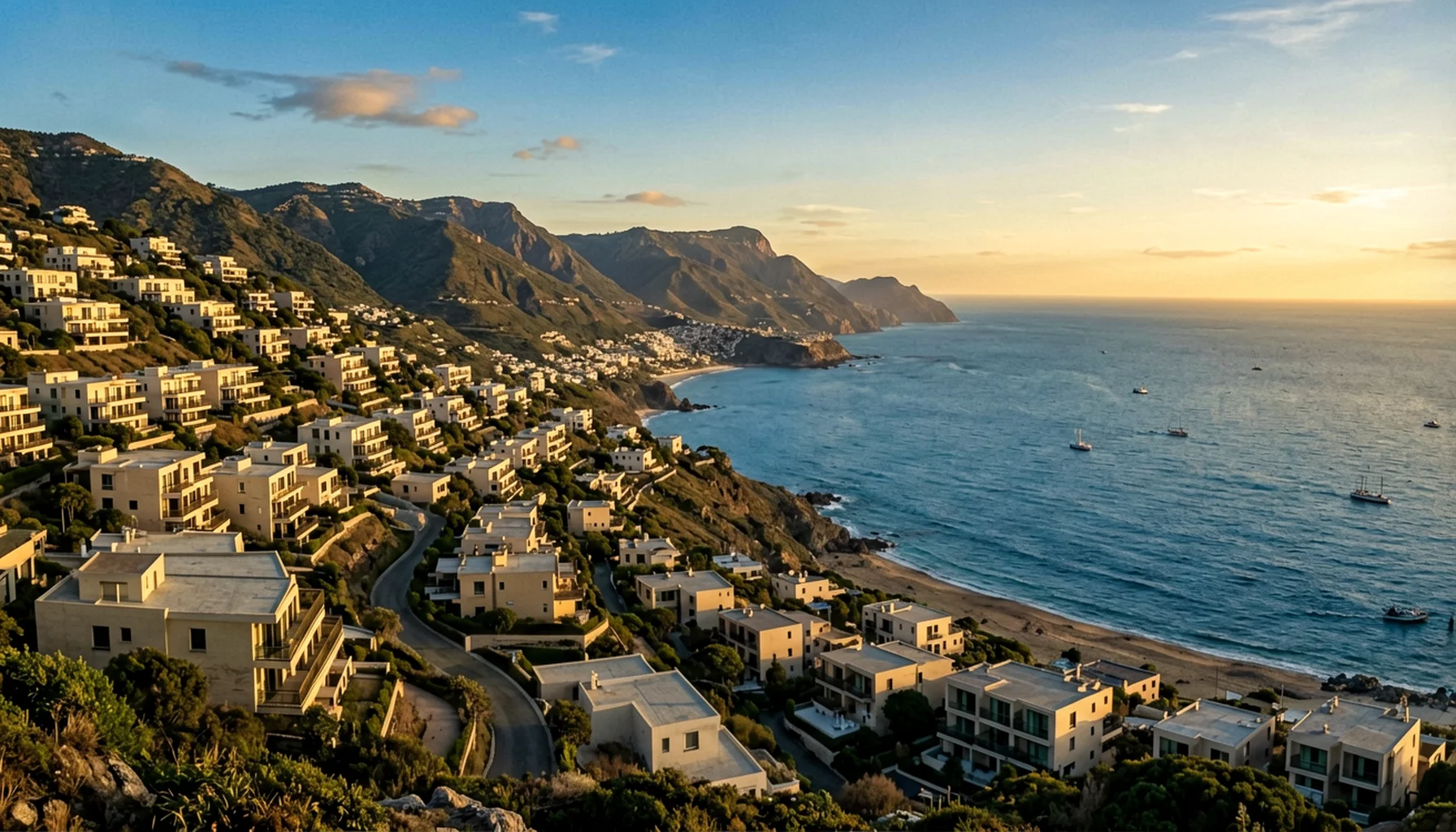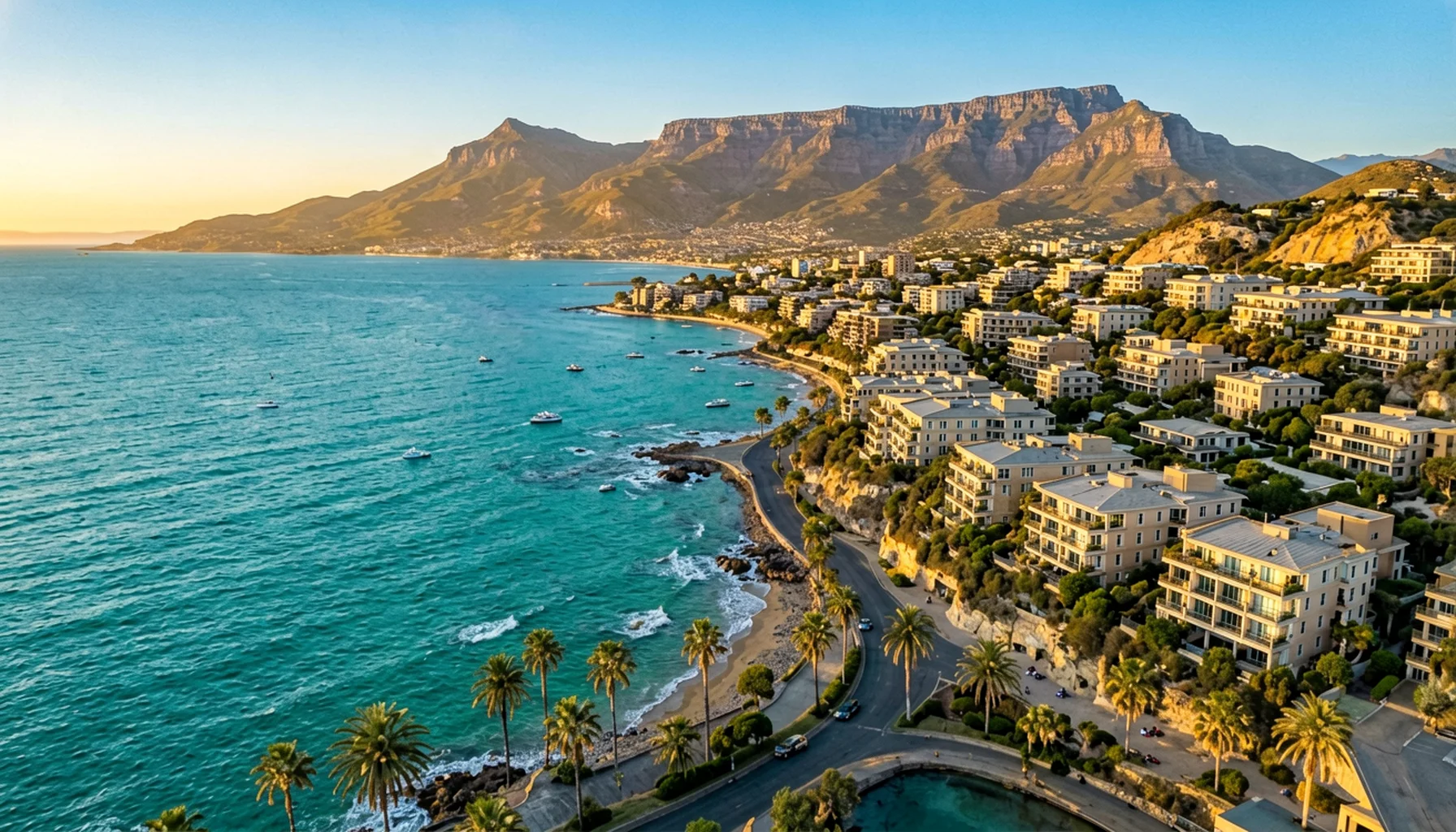
Cape Town Atlantic Seaboard skyline: the waterfront where international capital concentrates

Foreign Buyers Now Control One-Third of Cape Town's Atlantic Seaboard: Inside the R6bn Deeds Data

In July 2026, Paul Berman, CEO of Berman Brothers Group, revealed a set of hard data that shook Cape Town's premium property market: of the R6bn (about 600 million South African rand) in Atlantic Seaboard sales registered at the deeds office, one-third was bought by foreigners. This is not a market estimate — it is the authoritative record of property registration, and it exposes the truth about global capital in Cape Town's most exclusive waterfront.

Even more striking, 2oceansvibe reported that on the Atlantic Seaboard, two of every five homes priced above R20m (about 20 million rand) now belong to foreigners. When international capital floods the same coastline so densely, for investors this is both a signal of opportunity and a rulebook of the global capital game that must be understood.

Key Insight: The concentration of foreign capital on the Atlantic Seaboard is unmatched by any other area in Cape Town. The R6bn in deeds office sales, the one-third foreign buyer share, and the two-in-five ownership of R20m+ homes all point to one conclusion: this coastline is a scarce asset competed for by high-net-worth individuals worldwide — limited supply, strong demand, and resilient price support.

Atlantic Seaboard: Cape Town's Most Capital-Concentrated Waterfront

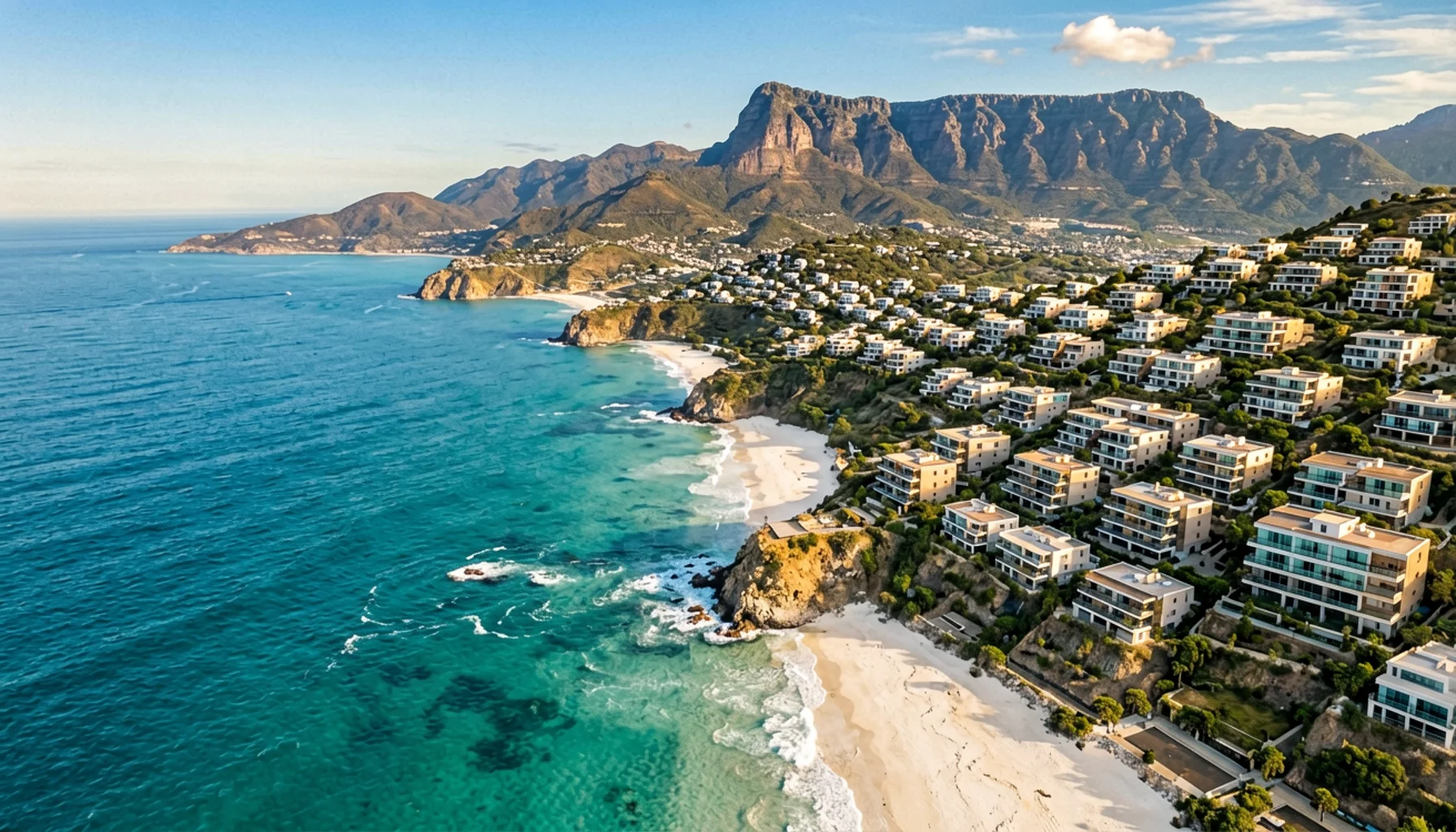
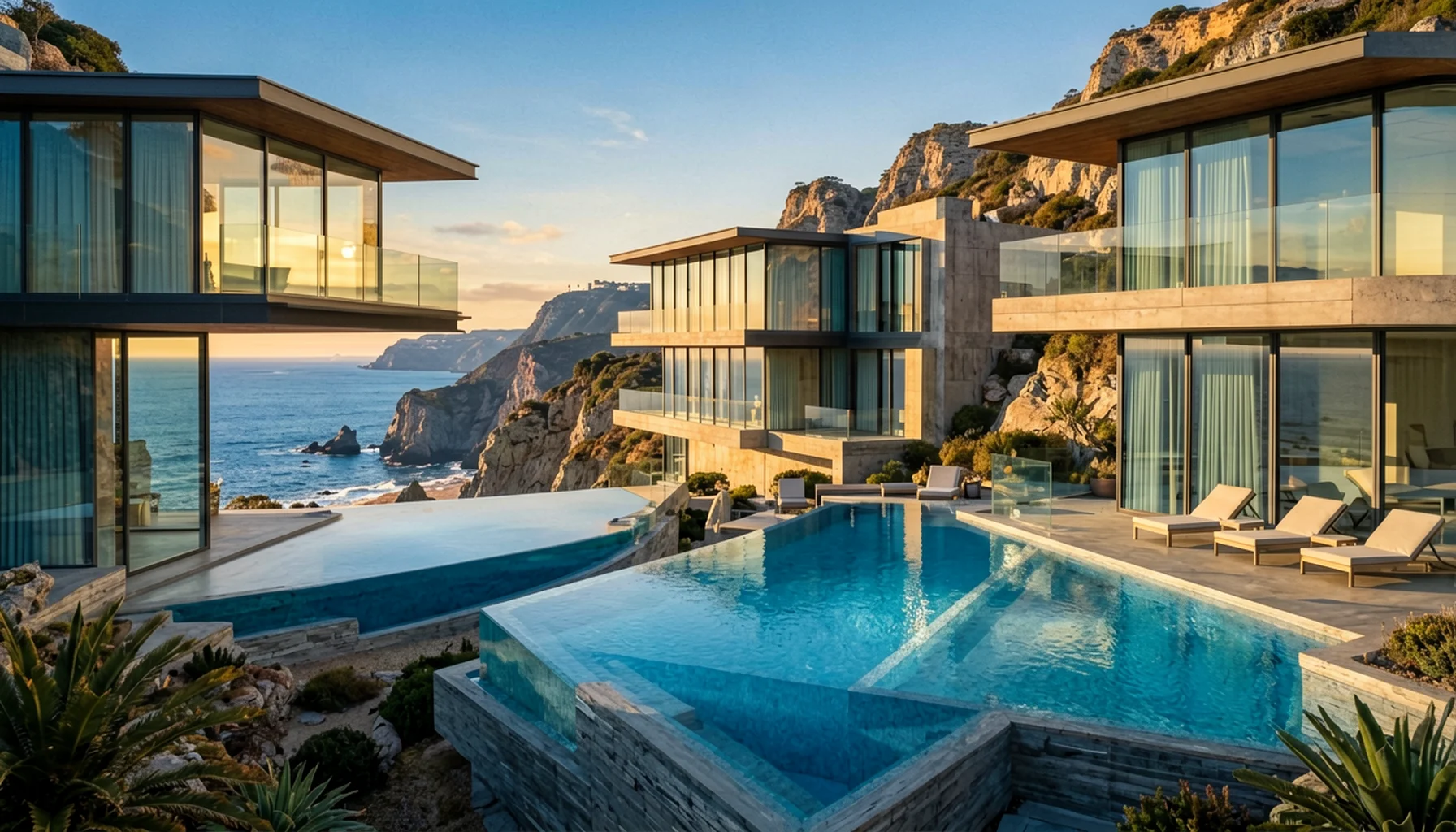
The Atlantic Seaboard is Cape Town's premium residential strip along the Atlantic Ocean, encompassing Clifton, Bantry Bay, Sea Point and Camps Bay. Backed by Lion's Head and Table Mountain and facing the deep blue Atlantic, it is Cape Town's most expensive and most internationally capital-concentrated area.

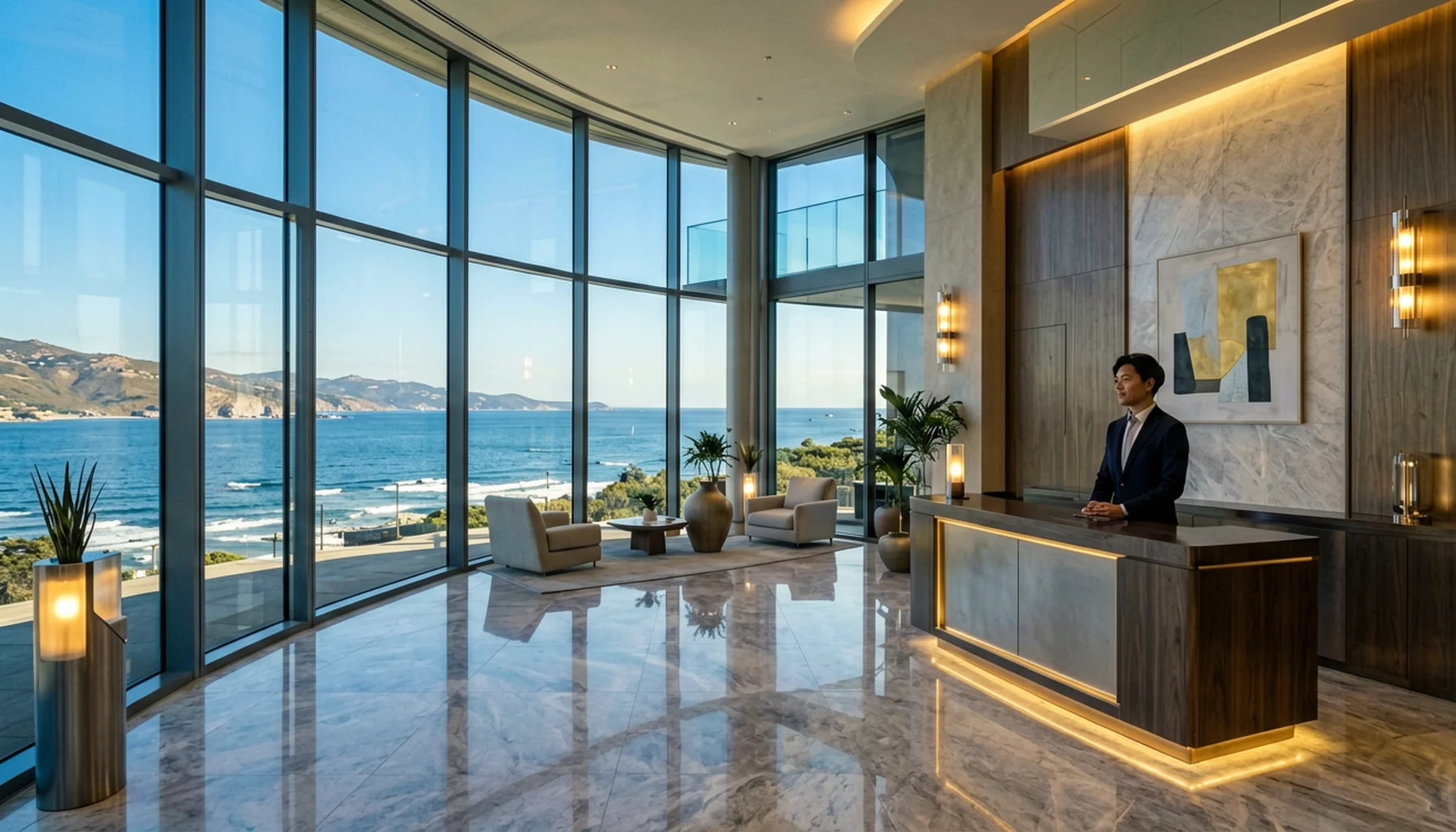
Why are international buyers so drawn to this coastline? Just Property's data reveals the shared preferences of foreign buyers: security, low maintenance, and proximity to restaurants, galleries and attractions. The Atlantic Seaboard fits these criteria perfectly — upscale apartment blocks with 24-hour security and property management, within walking distance of beaches, fine dining and galleries, exactly the "lock-up-and-go" asset high-net-worth overseas buyers want.

Area Character Foreign Buyer Appeal
Clifton South Africa's most expensive beach area, homes on the slopes Extreme scarcity, high privacy, international elite gathering
Bantry Bay Waterfront high-rise apartments overlooking the Atlantic Low-maintenance apartments, sea views, near the city
Sea Point Seafront promenade lifestyle, restaurants and galleries Walkable living, security, stable investment returns
Camps Bay White-sand beach, fine dining, resort atmosphere Holiday asset, short-let potential, international fame

These four areas form the complete premium gradient of the Atlantic Seaboard — from Clifton's ultimate mansions to Sea Point's investment apartments, each stretch of coastline attracts international buyers with different preferences and capital sizes.
The Truth Behind the R6bn: How Foreign Capital Is Reshaping the Premium Market

What makes Berman Brothers' deeds office data so important is that it provides authoritative evidence of actual foreign buyer transactions. Of the R6bn in Atlantic Seaboard sales, one-third was bought by foreigners — meaning international capital has become one of the most important demand engines on this coastline.

Even more telling is the share of R20m+ homes. Two of every five homes priced above 20 million rand now belong to foreigners, a share of roughly 40%. This shows that in the highest price bracket, foreign buyers' influence now rivals or even exceeds local buyers — they are defining the price benchmark for Cape Town's top-end mansions.

Investment Takeaway: When foreign capital accounts for such a high share of the premium segment, the price support for these assets no longer depends on a single market. Even if South Africa's local economy fluctuates, sustained international demand continues to provide a solid price floor for Atlantic Seaboard's premium assets — a "global pricing" characteristic that other areas cannot replicate.

This also explains why the Atlantic Seaboard has remained resilient amid South Africa's broader property market volatility: its buyers are global, its pricing is global, and its scarcity is global.

Decoding Foreign Buyer Preferences: Security, Low Maintenance, Near Attractions

To understand why the Atlantic Seaboard attracts international capital, you must first understand the core preferences of foreign buyers. Just Property's data shows that foreign buyers value three things most: security, low maintenance, and proximity to restaurants, galleries and attractions.

  • Security — 24-hour security, access control and surveillance in upscale apartment blocks let overseas owners hold their asset with peace of mind even when not in South Africa.
  • Low maintenance — Apartment assets are managed by property management companies, removing the burden of personally maintaining gardens and roofs for overseas owners.
  • Near attractions — Walking distance to beaches, fine dining, galleries and landmarks makes the asset both enjoyable to live in and attractive to rent.

The apartment format of the Atlantic Seaboard perfectly matches these three preferences. For investors, this means: choosing a high-quality apartment on the Atlantic Seaboard is choosing an asset that meets international buyer standards, is easy to manage, and has strong liquidity.

Security

24-hour security and access control for worry-free overseas ownership.

Low Maintenance

Property management handles everything, removing owner burden.

Near Attractions

Walking distance to beaches, restaurants, galleries and landmarks.

Global Pricing

International capital drives pricing, transcending any single market.

Scarce Supply × Global Competition: The Price Support of Premium Waterfront Assets

The investment logic of the Atlantic Seaboard is built on the double overlay of "scarce supply × global competition". The usable land along this coastline is extremely limited — backed by mountains and facing the sea, the developable plots were long ago filled with premium homes, and new supply is nearly zero.

At the same time, international buyer demand remains strong. The one-third foreign buyer share in the deeds office data, and the 40% foreign ownership of R20m+ homes, both prove that high-net-worth individuals worldwide are continuously flowing into this coastline. When limited supply meets sustained international demand, price support is naturally solid.

"The scarcity of the Atlantic Seaboard is structural — land is limited, supply has peaked, and international buyer demand is global. This dynamic of global capital competing for scarce assets is the core logic behind premium waterfront property's ability to ride out cycles." — DingYao Advisory Investment Research Team (2026-08)

For investors, this means: positioning on the Atlantic Seaboard now is not just buying Cape Town's sea views — it is buying the scarce value competed for by global capital. And as international capital continues to flow in, this scarcity will only become more pronounced.

How Investors Can Position: DingYao Advisory's Professional Path

Facing the premium opportunity of the Atlantic Seaboard, investors need a complete professional path to seize the initiative amid global capital competition. DingYao Advisory recommends approaching it from three levels:

  1. Precise area selection — Based on capital size and investment goals, choose the most matching segment and asset type among Clifton, Bantry Bay, Sea Point and Camps Bay.
  2. Compliant structure — Use lawyer trust protection structures and Standard Bank fund custody to ensure cross-border transactions are compliant, secure and smoothly funded.
  3. Scarcity screening — Focus on assets with scarcity (sea views, layout, location) and high-quality property management, avoiding homogeneous targets.

DingYao Advisory is deeply rooted in Cape Town's premium property market, providing investors with one-stop services from market assessment and asset screening to legal and fund structuring — helping you seize truly scarce value with professional insight amid global capital competition.

Conclusion: Global Buyers Are Competing for Cape Town's Waterfront — Position Now

The R6bn in deeds office sales, the one-third foreign buyer share, and the two-in-five ownership of R20m+ homes — these hard data points together paint the global capital truth of the Atlantic Seaboard: this is a scarce coastline competed for by international capital, with limited supply, strong demand, and solid price support.

For investors, the question is no longer "should I position in Cape Town's premium waterfront" but "how do I seize the initiative amid global capital competition". As international buyers continue to flow in and quality listings remain limited, the earlier you position, the more pricing power you gain over scarce assets.

Global buyers are competing for Cape Town's waterfront assets, and quality listings are limited — now is the time to position for the scarce value of the Atlantic Seaboard. Book a one-on-one consultation to get DingYao Advisory's professional market analysis and asset allocation advice.

Global Buyers Are Competing for Cape Town's Waterfront — Position Now

Deeds office data reveals the truth: one-third of the R6bn in Atlantic Seaboard sales was bought by foreigners, quality listings are limited, and international competition is intense. DingYao Advisory provides investors with complete services from market assessment and asset screening to legal and fund structuring. Book a consultation now to seize the scarce value of Cape Town's premium waterfront.

Book Now