Why Cape Town? Five Reasons Forbes Chose South Africa
1. A World-Class Lifestyle Destination
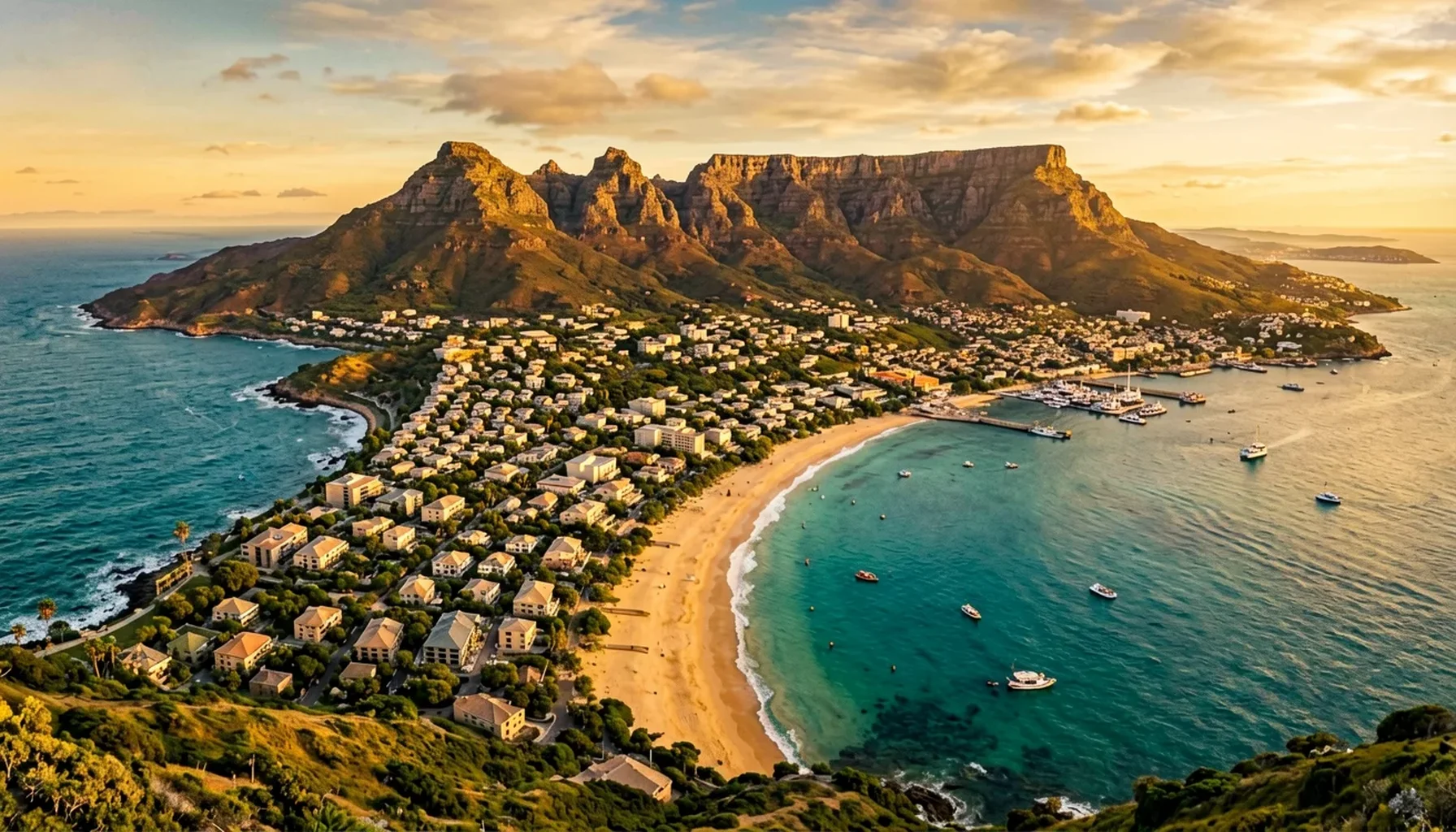
Cape Town is consistently ranked among the world's most beautiful cities, with iconic landmarks including Table Mountain, the V&A Waterfront, and Camps Bay. Its Mediterranean climate, world-class wine regions, abundant outdoor activities, and rich cultural diversity make it one of the most sought-after destinations for global high-net-worth individuals. Forbes Global Properties CEO Michael Jalbert specifically emphasized South Africa's "extraordinary quality of life" — Cape Town's core competitive advantage.
2. Structural Growth in the Luxury Market
Cape Town's luxury property market is in a phase of structural growth. Latest 2026 data shows: Cape Town average prices up 12.9% year-on-year, foreign buyers accounting for 39% of properties above R20 million, and premium suburbs like Constantia Upper reaching an average of R26M and Bishopscourt exceeding R30M. These figures demonstrate that Cape Town's luxury market has formed a parallel market driven by international capital, largely immune to South Africa's local interest rate and inflation pressures.
3. Surging International Buyer Demand
Just Property CEO Paul Stevens' latest observations reveal that foreign buyers' questions have shifted from "Is South Africa beautiful?" to practical concerns about "security, management quality, rental feasibility, overseas maintenance, and fund repatriation processes." This evolution signals that international interest in Cape Town has matured from "tourist curiosity" to "actionable intent." Three buyer profiles are emerging: seasonal buyers (European winter escapes to South Africa), remote work buyers (requiring fiber internet, security, and airport proximity), and investment buyers (targeting lock-up-and-go properties with high rental yields).
4. Price Advantage vs. Global Peer Markets
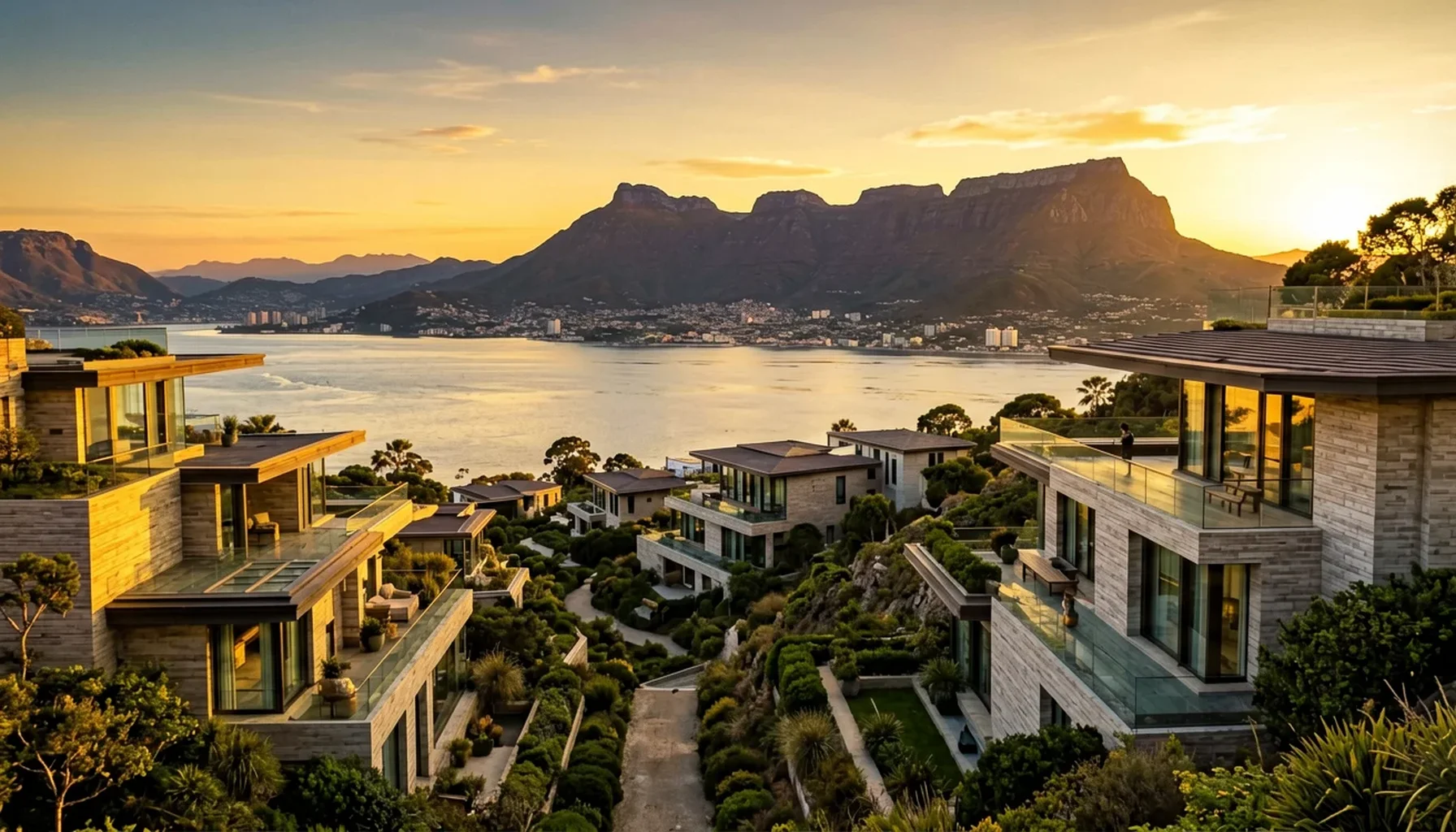
Compared to London, New York, Sydney, and Hong Kong, Cape Town's premier properties still offer significant price advantages. DingYao Advisory's R16M plan (approximately US$880,000) would barely buy a studio apartment in London, but in Cape Town it secures a brand-new luxury residence in a top-tier suburb. Combined with the weak South African rand, foreign buyers effectively enjoy a double dividend — asset appreciation plus currency gains.
5. A Mature Professional Services Ecosystem
Cape Town boasts a mature, internationally recognized professional services ecosystem — from top-tier law firms (such as Garlicke & Bousfield), international banks (such as Standard Bank), to professional asset management companies. This enables foreign investors to complete cross-border transactions safely and compliantly. DingYao Advisory's attorney trust protection structure and Standard Bank Wealth accounts are integral parts of this ecosystem.
"High-net-worth individuals are no longer just investing in traditional markets — they are looking for destinations that create meaningful experiences. South Africa offers extraordinary living, architecture, and investment opportunities — that's why Forbes Global Properties chose to be here."
— Michael Jalbert, CEO, Forbes Global Properties (Business Day, Jul 21, 2026)