Introduction: Why Do the Uppers Keep Rising While the Market Slows?
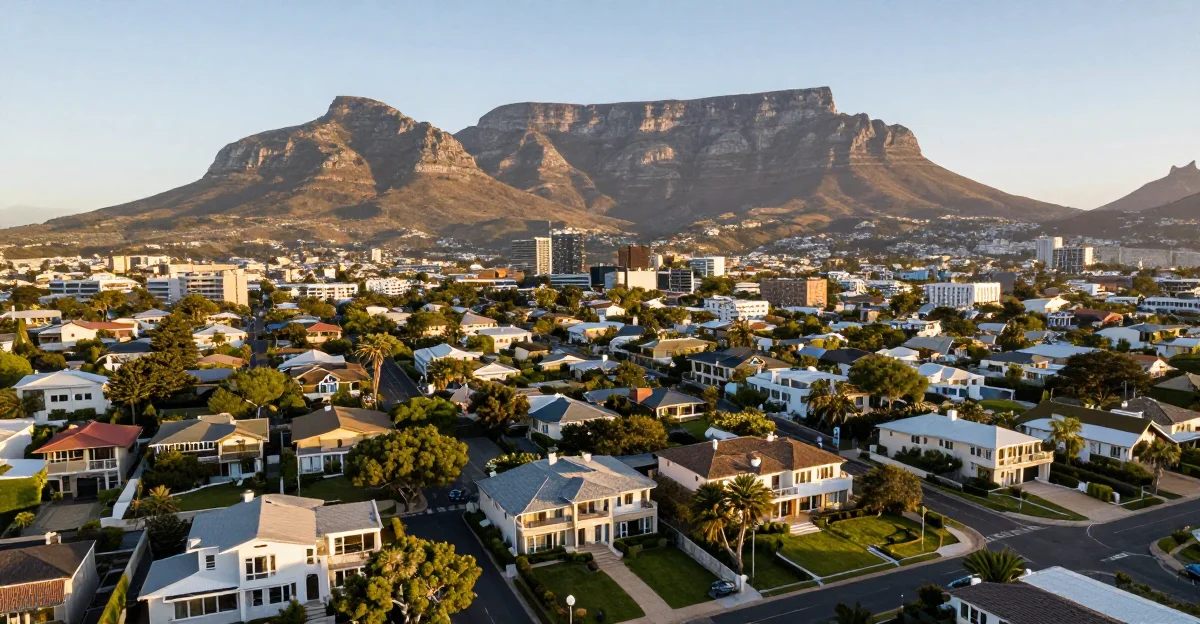
In Q1 2026, South Africa’s overall property market saw transaction volumes fall and interest rates stay elevated—yet Cape Town’s southern suburbs, a cluster of premium residential areas known as “The Uppers,” delivered a counter-intuitive set of figures: transactions fell from 74 a year earlier to 44, but total transaction value held almost steady at R 860 million. As a result, the average selling price surged from R 11.7 million to R 19 million.
According to Francois Venter, lead agent for the luxury market in Seeff Property Group’s Southern Suburbs, listings across the five core “Uppers” areas—Bishopscourt, Constantia Upper, Newlands, Claremont Upper and Kenilworth Upper—have fallen by nearly half compared with a year earlier, while buyer competition has not declined correspondingly. The gap between asking price and sale price is only about 2%, and the average time to sale is 32 days—almost a quarter faster than the market-wide figure of 41 days.
These figures make one thing clear: the resilience of Uppers prices is no accident, but the outcome of an underlying structure of scarcity.