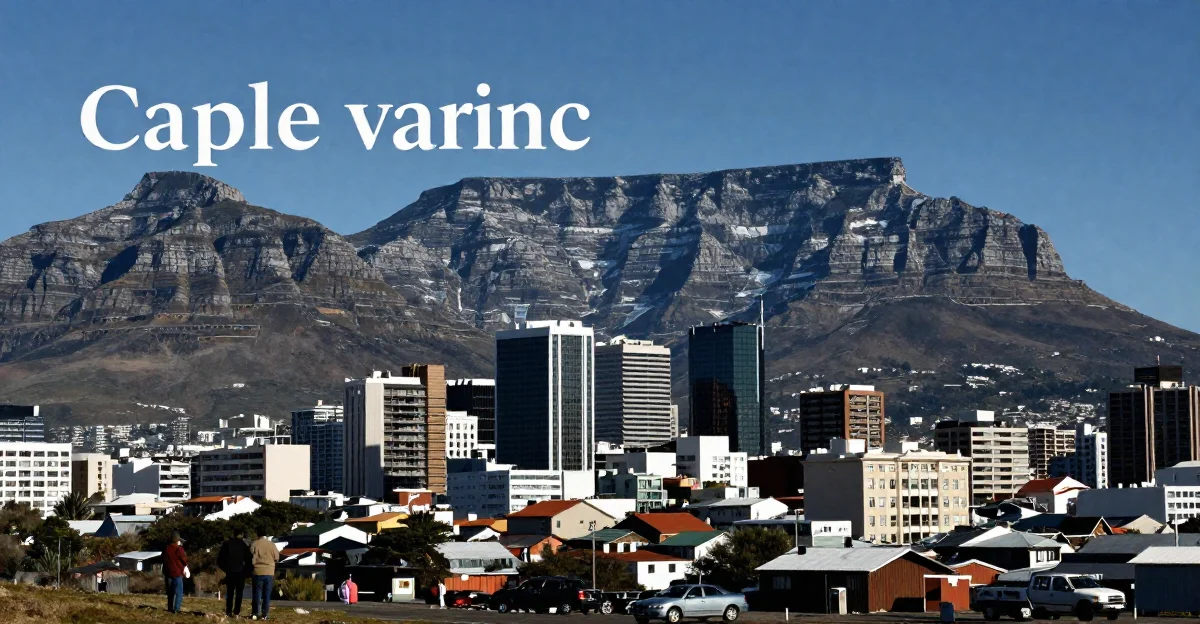
In 2026, Cape Town is no longer just a South African tourist destination—it is fast becoming the most dynamic tech hub on the African continent. From the start-up clusters around the V&A Waterfront to the co-working spaces of Claremont, the concentration of the tech industry is reshaping the city's entire property landscape. For Taiwanese investors focused on overseas investment and overseas property, this wave of housing demand driven by tech talent represents the ideal moment to enter the Cape Town market.


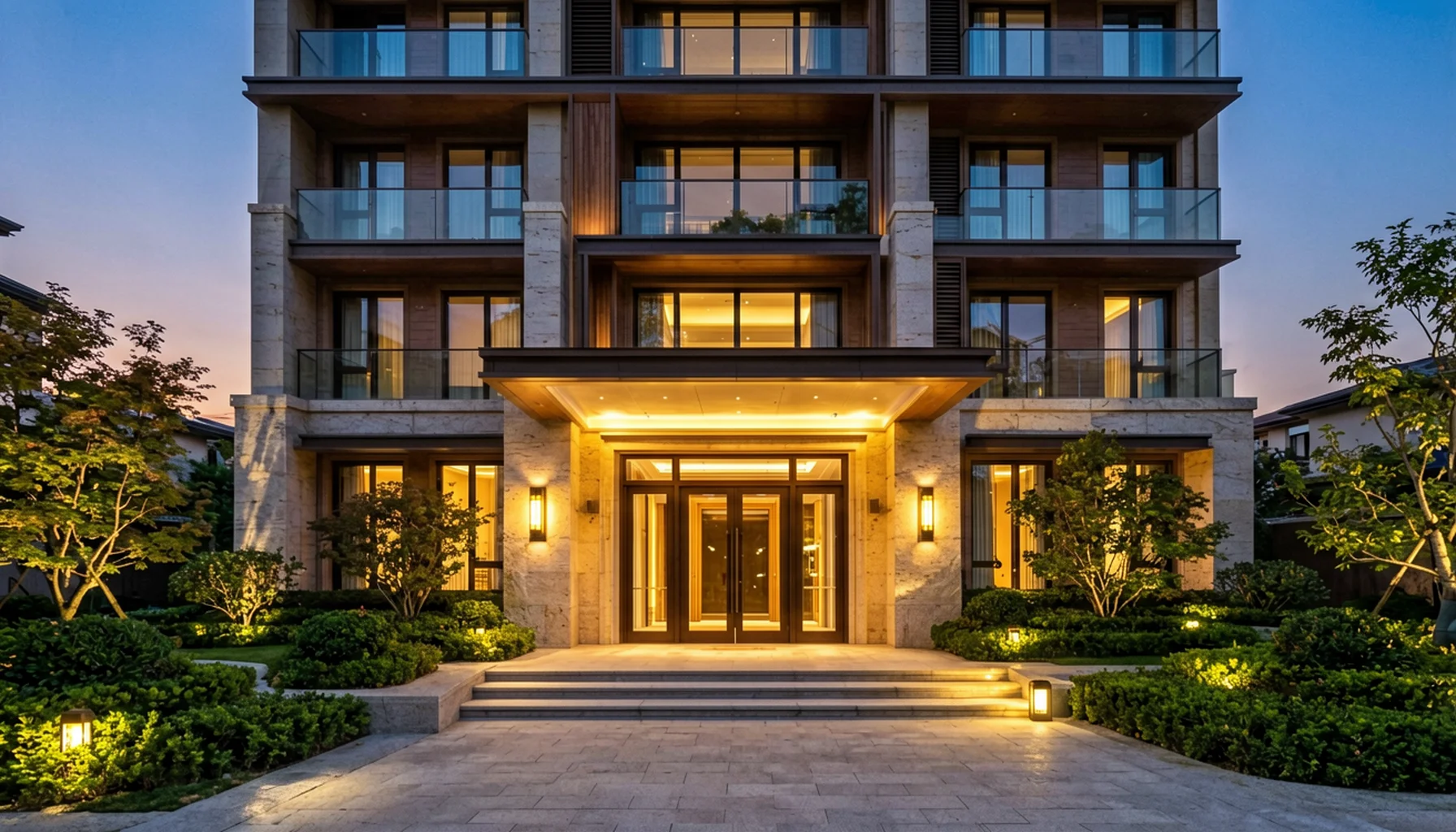
DingYao Phase 1: How to Capture This Demand Dividend
In response to the structural housing demand created by Semigration 2.0, DingYao’s Phase 1 South Africa property programme offers a complete investment framework:
Investment Threshold: R 16,000,000
Property purchase price
R 10,450,000
Associated costs (transfer, legal, trust formation, etc.)
Approx. R 550,000
Standard Bank Wealth savings account deposit
R 5,000,000
Total
R 16,000,000
Dual-Engine Cash Flow Structure
| Engine | Calculation | Annual Income |
|---|---|---|
| Rental engine | R 10,450,000 × 8-10% (fully-let income) | R 836,000 - R 1,045,000 |
| Interest engine | R 5,000,000 × 6.5% compounded daily, paid monthly (effective annual rate approx. 6.72%) | Approx. R 335,000+ |
| Total annual cash flow | R 1,171,000 - R 1,380,000 |
Lawyer-Held Trust Protection
All investment funds operate within a lawyer-held trust account, protected by South African law from day one. Funds are never transferred directly into personal accounts, ensuring transaction security for overseas investors. The full R 16,000,000 begins earning interest immediately in the trust account—about R 86,000 per month (or roughly R 2,849 per day)—so your capital is never idle from day one.

Scott Huang
Business Development — Specializing in Cape Town premium property investment and cross-border wealth management for Asia-Pacific high-net-worth individuals.
Start Your Cape Town Property Journey
Schedule a one-on-one consultation with our team to explore premium investment opportunities in Cape Town's most resilient markets.
Consultation【Compliance & Disclaimer】
1. Company Statement: DingYao Advisory (Ding Yao Advisory) is a Taiwan-based consultancy providing asset allocation, immigration advisory, overseas account opening, and second-generation education coordination services. DingYao does not engage in real estate brokerage or dealer activities within the Republic of China (Taiwan), nor does it handle, collect, or hold any property transaction funds.
2. Information Source & Contracting Party: The South African property, development projects, market data, and related images in this article are provided by overseas partners Crestline Advisory (Pty) Ltd and developer CanvasCrest Properties, for overseas asset allocation and market reference only, and do not constitute any offer, solicitation, or investment guarantee. All property-related purchase agreements, fund payments, and title transfers are executed directly between the buyer and overseas licensed developers/institutions in accordance with local law.
3. Statutory Risk Warning: "Foreign real estate investment carries risks. Investors should read marketing documents carefully and consider transactions prudently." Overseas investments involve exchange rate fluctuations, local regulations, tax changes, and market risks. Data (such as historical returns, interest rates, etc.) are based on specific calculation standards and timeliness; past performance does not guarantee future returns. Investors should assess independently and seek professional legal and financial advice.