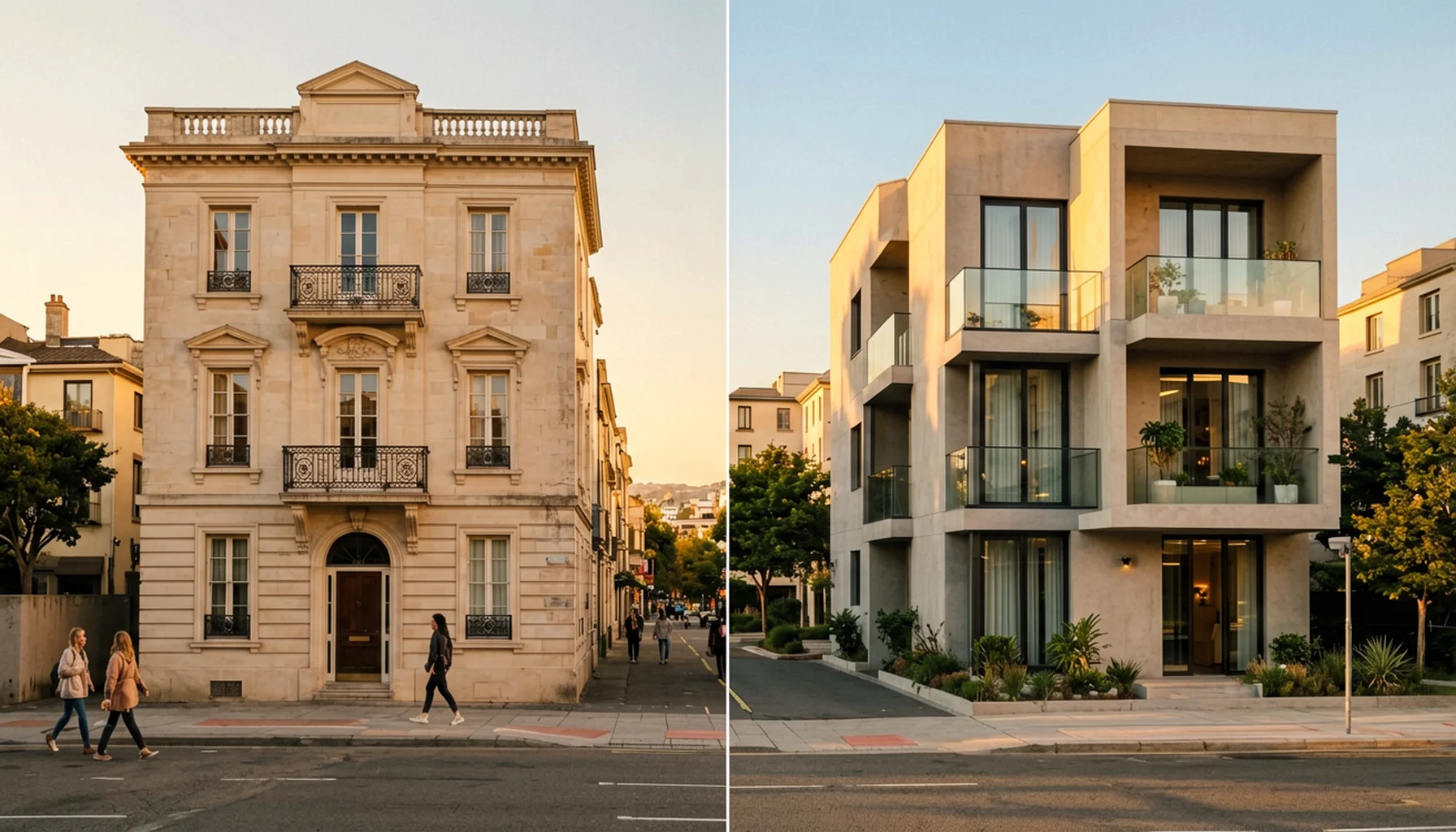
Cape Town short-term rental market analysis

Cape Town Short-Term Rentals: Airbnb vs Long-Term Rental — Which Investment Strategy Suits Overseas Buyers?

Morgan Stanley has framed 2026 as the "turning point for the global property recovery," with capital flowing back from bonds and equities into real estate. One of the biggest beneficiaries of this wave is Cape Town, South Africa.

1. Global Capital Returns to Real Estate: Cape Town Rides the Wave

1.1 Morgan Stanley's Recovery Forecast

According to Morgan Stanley's latest report, 2026 is a "turning-point year" for the property market. Three years of high interest rates have suppressed global real estate, but as central banks around the world wind down their tightening cycles, real estate is once again becoming the top allocation choice for institutional capital.

Key figures:

  • Global real estate capitalisation rates have corrected to a reasonable range
  • Signals that interest rates have peaked are clear, and borrowing costs are expected to fall
  • Institutional investors' cash positions have hit a five-year high as they await entry

Cape Town is precisely the beneficiary of this trend. Unlike the high price baselines of developed markets such as Sydney and London, Cape Town property prices remain relatively low; combined with the Rand exchange-rate advantage, it has become a "value pocket" for international capital.

1.2 Cape Town vs Taipei: The Ebb and Flow of Capital

While Taiwan's property market slides into falling volumes and prices, Cape Town presents a completely opposite picture:

Metric Taipei Cape Town
2025 price movement -3% to -8% +8% to +15%
Transaction volume 8-year low +20% year on year
Foreign buyer share <5% 15% to 25%
Rental yield 1.5% to 2.5% 4% to 6% (gross yield)

Capital is honest about its choices. Taiwan’s continued property-tightening policies and rising holding taxes are driving high-net-worth investors overseas. With its relatively affordable prices, stable rental income, and the short-let premium generated by tourism, Cape Town has become a new destination for Taiwanese capital.

2. Cape Town’s Three Major Attractions: The Selection Logic of International Capital

2.1 The Exchange-Rate Dividend: Rand Depreciation Creates an Entry Window

The rand exchange rate has remained relatively low against the US dollar in recent years, meaning Taiwanese investors can buy quality Cape Town properties at more favourable prices.

Examples of the exchange-rate advantage:

  • 2020: 1 Rand ≈ NT$1.8
  • 2026: 1 Rand ≈ NT$2.0

Take the same R5,000,000 Cape Town apartment: in 2020 it required around R9 million, and today roughly R10 million — but Cape Town property prices have risen by more than 40% over the same period, meaning investors are “paying more yet earning more.”

More importantly, the Rand's long-term depreciation trend favours overseas investors. When the Rand recovers in the future, investors reap a double benefit: currency gains plus property appreciation.

2.2 An Influx of International Buyers: Cape Town Becomes a Playground for Global Wealth

Cape Town is experiencing an unprecedented wave of international buyers. According to data from the South African Property Owners Association, international buyers have injected billions of rands into South Africa’s property market, with Cape Town as the top destination.

Where foreign buyers come from:

  • Europe: German, British, and Dutch buyers form the largest group, seeking sunshine and quality of life
  • North America: US and Canadian buyers, influenced by the remote-working trend, have chosen Cape Town as a base for “digital nomads”
  • Asia: Chinese, Hong Kong, and Taiwanese buyers have grown markedly in recent years, drawn by returns and immigration potential
  • Other African countries: high-net-worth buyers from Nigeria and Kenya view Cape Town as Africa’s safest high-end place to live

The Garden Route coastal region of Cape Town is particularly sought-after. Foreign buyers and South African expatriates are driving demand, with luxury-property prices rising by more than 15% a year.

2.3 Rental Yield and Rent-to-Manage: Cape Town’s Investment Advantage

Rental yields differ significantly across different areas of Cape Town — a key point investors must understand:

Area Gross yield Effective yield (rent-to-manage)
Atlantic Seaboard 3% to 4% 6% to 8%
City Bowl 4% to 5% 7% to 9%
Southern Suburbs 5% to 6% 8% to 10%
Garden Route 5% to 7% 8% to 11%

Why can rent-to-manage raise the effective yield to 8% to 10%?

  • Tourism premium: during peak season (December to February), rents can reach two to three times the usual rate
  • Professional management: occupancy is maintained above 95%, beating the market average of 85%
  • Zero vacancy: the guaranteed-let plan secures a fixed monthly income

Compared with Taiwan, where rental yields are generally below 2%, Cape Town’s yield advantage is immediately clear.

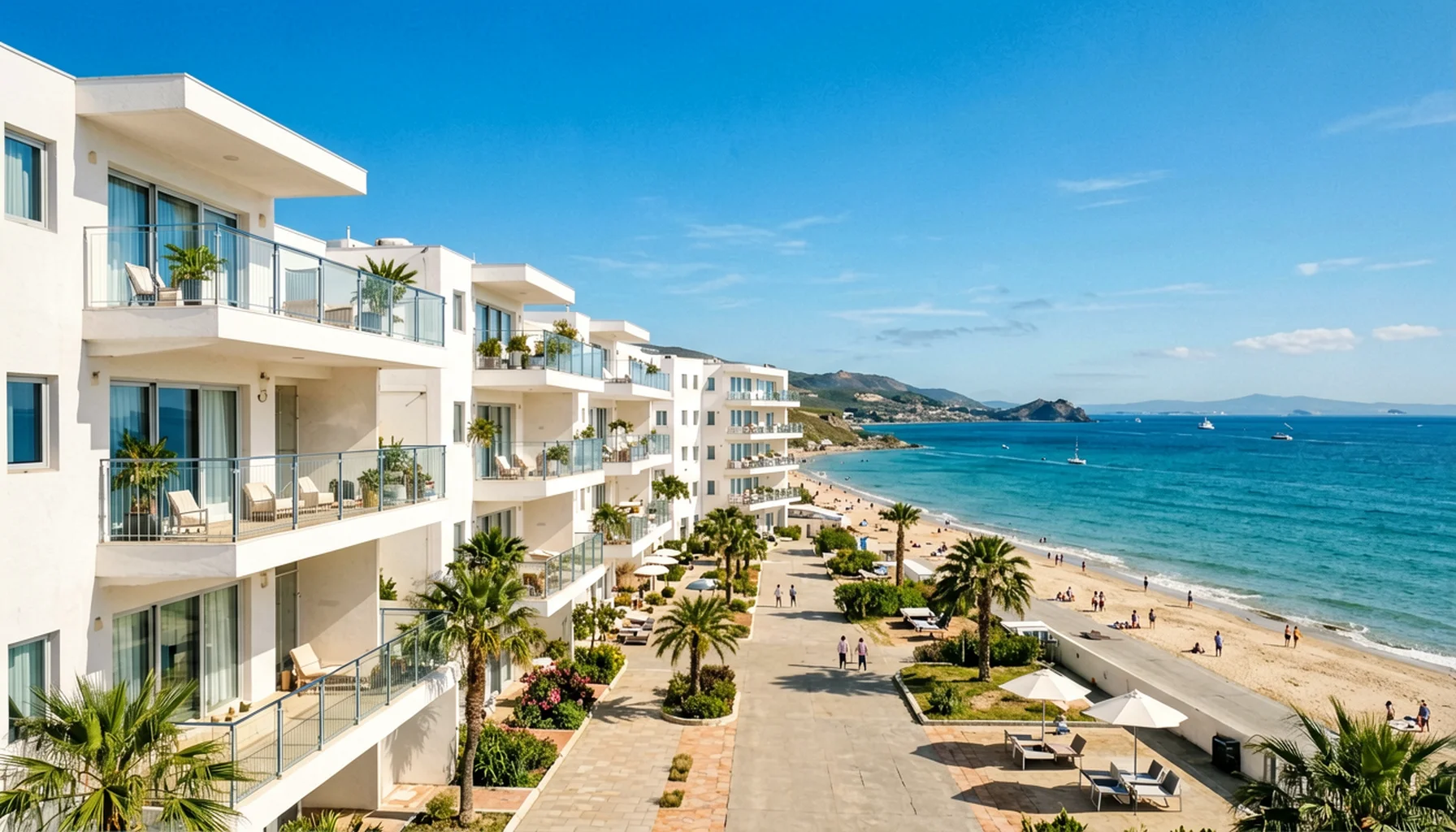
3. Cape Town vs Other Overseas Property Destinations

International capital chooses Cape Town not because it is the “cheapest” option, but because it offers the “best value for money.”

3.1 Cape Town vs Other Popular Markets

Region Price threshold Gross yield Exchange-rate risk Political stability
Cape Town From NT$9M 4% to 6% Medium Medium
Kuala Lumpur, Malaysia From NT$8M 4% to 6% Low Medium-to-High
Bangkok, Thailand From NT$6M 3% to 5% Low Medium
Tokyo, Japan From NT$15M 3% to 4% Low High

Cape Town’s unique advantage lies in greater capital-appreciation potential at the same rate of return.

As a BRICS nation, South Africa’s economic growth potential is undervalued. As South Africa’s safest and most international city, Cape Town enjoys a reputation as the “most European city in Africa,” with well-developed infrastructure and a relatively sound rule of law, making it a high-quality asset for long-term holding.

3.2 Why Do Taiwanese Choose Cape Town?

Three core reasons why Taiwan’s high-net-worth cohort chooses Cape Town:

  • Asset diversification: as political uncertainty in Taiwan rises, overseas asset allocation becomes an essential need
  • Yield orientation: Cape Town rental income is far higher than in Taipei, and rent-to-manage makes investing more hands-off
  • Quality of life: Cape Town’s pleasant climate and better safety record than other South African cities make it suitable for immigration or retirement planning

More and more Taiwanese regard Cape Town as a “second home” — not only an investment, but a lifestyle choice.

Conclusion: Cape Town Is the Top Overseas Property Choice for 2026

The global property-recovery trend has begun, and Cape Town is riding the wave. For Taiwanese investors, Cape Town offers triple value: “income + appreciation + asset diversification.”

  • Income: through professional rent-to-manage, effective yields can reach 8% to 10%
  • Appreciation: the influx of international capital lifts prices by 8% to 15% a year
  • Asset diversification: rand assets have low correlation with US-dollar assets, effectively reducing overall risk

As global capital votes with its feet for Cape Town, Taiwanese investors should seriously consider this undervalued treasure of a market.

Frequently Asked Questions

Q: Are there restrictions on foreigners buying property in Cape Town?
A: Foreigners are free to buy property in South Africa. Financing is capped at 50% of the price, so at least 50% must be covered as a down payment.
Q: The Rand fluctuates sharply — how can investors hedge?
A: We recommend a long-term holding strategy, using rental income to cover holding costs while diversifying to reduce exchange-rate risk. The rand’s long-term depreciation trend actually favours overseas investors — entering at a lower rand cost now means double gains when the rand recovers later.
Q: How are rent-to-manage fees calculated?
A: Professional rent-to-manage services typically charge 10% to 15% of rent as a management fee, but they can lift the effective yield from 3% to 4% up to 6% to 10%, so the overall return on investment is actually higher.

開始您的 開普敦置產 規劃

獲取專業的開普敦房地產投資建議與市場分析,讓 DingYao Advisory 協助您做出明智的投資決策。

預約諮詢