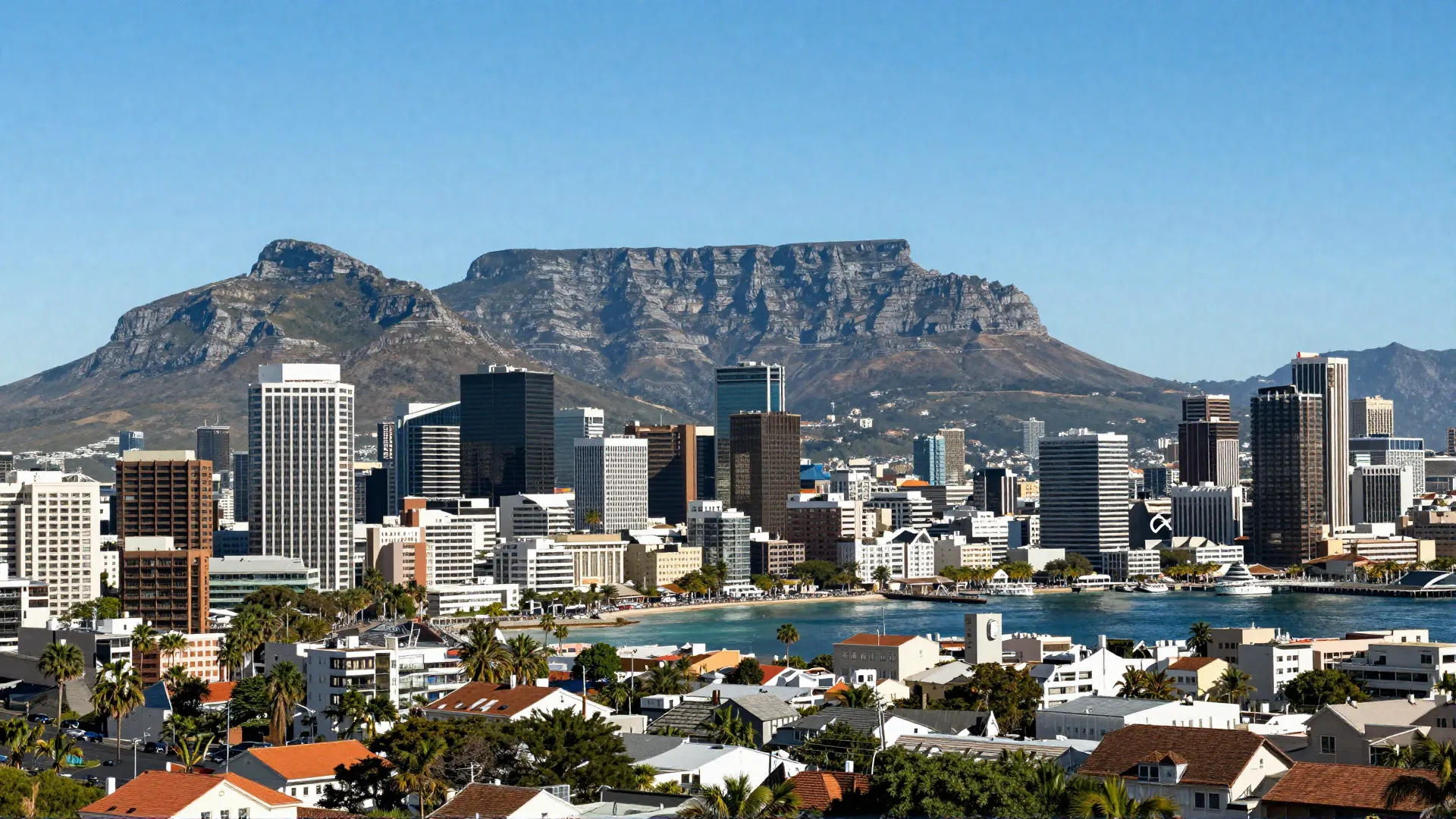
Cape Town, the "Mother City" of South Africa, has once again made waves in global quality of life rankings. According to Time Out's 2026 Best Cities list, Cape Town ranks 6th globally—while a few positions lower than its 2025 championship title, it still surpasses major metropolises like Mexico City, Bangkok, Seoul, and Tokyo, making it the highest-ranked city in Africa. This distinction raises a compelling question: What makes Cape Town stand out in global quality of life rankings? And what does this mean for those considering investment migration?
Multi-Dimensional Interpretation of Global Quality of Life Rankings
Time Out Best Cities Ranking: A Testament to Subjective Experience and Cultural Vibrancy
Time Out's annual Best Cities ranking is based on survey data from over 24,000 residents and more than 100 city experts worldwide, comprehensively evaluating cities' dining, culture, nightlife, community atmosphere, and overall life experience. The 2026 rankings reveal:
| Rank | City | Country |
|---|---|---|
| 1 | Melbourne | Australia |
| 2 | Shanghai | China |
| 3 | Edinburgh | UK |
| 4 | London | UK |
| 5 | New York | USA |
| 6 | Cape Town | South Africa |
| 7 | Mexico City | Mexico |
| 8 | Bangkok | Thailand |
| 9 | Seoul | South Korea |
| 10 | Tokyo | Japan |
Cape Town's ranking confirms its unique appeal: from the majestic Table Mountain to world-class wineries in the Cape Winelands, from pristine beaches to vibrant street culture, this city offers a lifestyle experience that is difficult to replicate elsewhere.
As Time Out Cape Town City Editor Selene Brophy describes: "It's a city that 'wows you from the minute you land. Pristine beaches, character-filled neighbourhoods, and genuinely friendly locals, from the flower sellers in the city centre, the fishermen hauling in the daily catch in Kalk Bay, to the creative excellence of its hospitality entrepreneurs. All of this plays out beneath Table Mountain, framed by the extraordinary Cape Floral Kingdom and the Cape Winelands.'"
Numbeo Quality of Life Index: Data-Driven Objective Assessment
In Numbeo's Quality of Life Index, Cape Town achieves a high score of 160.33, earning a "Very High" rating. This index covers multiple dimensions:
| Indicator | Cape Town Score | Rating |
|---|---|---|
| Purchasing Power Index | 107.73 | High |
| Safety Index | 26.46 | Low |
| Health Care Index | 68.91 | High |
| Climate Index | 98.19 | Very High |
| Cost of Living Index | 41.55 | Low |
| Property Price to Income Ratio | 5.42 | Low |
| Traffic Commute Time Index | 42.36 | High |
| Pollution Index | 38.30 | Low |
These data reveal Cape Town's core strengths: exceptional purchasing power, Mediterranean-style pleasant climate, low cost of living, and relatively affordable housing. However, safety concerns remain a factor requiring careful consideration.

Comparative Analysis: Cape Town vs Major Global Cities
Cape Town vs Taipei: A Taiwanese Investor's Perspective
For Taiwanese investors, the comparison between Cape Town and Taipei is most relevant. According to Numbeo data:
Cost of Living Comparison
| Item | Taipei | Cape Town | Difference |
|---|---|---|---|
| Overall Cost (excl. rent) | Baseline | 22.6% lower | Cape Town cheaper |
| Overall Cost (incl. rent) | Baseline | 13.6% lower | Cape Town cheaper |
| 1BR City Centre Monthly Rent | NT$22,911 | NT$32,759 | Cape Town 43% higher |
| City Centre Price per m² | NT$453,643 | NT$70,273 | Taipei 545% higher |
Key Findings:
- 1 Lower Everyday Expenses: While restaurant meals cost about 142% more in Cape Town than Taipei, supermarket food prices are generally lower. Beef is 58% cheaper, apples 61% cheaper, and wine 58% cheaper in Cape Town.
- 2 Dramatic Housing Price Gap: Taipei's city centre housing costs approximately NT$450,000 per m², while Cape Town is only about NT$70,000 per m². This means you can purchase the same property area in Cape Town for roughly one-tenth of the Taipei price.
- 3 Rental Market Contradiction: Cape Town rentals are actually higher than Taipei, with city centre one-bedroom apartments costing about NT$32,759 monthly—43% more than Taipei. This reflects high rental demand and limited supply in Cape Town's market.
Cape Town vs London vs Singapore: International Migration Perspective
From a broader international perspective, Cape Town's comparison with London and Singapore is even more illuminating:
| City | Quality of Life Index | Cost of Living Index | Purchasing Power Index |
|---|---|---|---|
| Cape Town | 160.33 | 41.55 | 107.73 |
| London | 143.4 | 87.5 | 123.1 |
| Singapore | 158.1 | 87.7 | 110.6 |
Core Insights:
- 1 Quality of Life Surpasses London: Cape Town's Quality of Life Index (160.33) exceeds London's (143.4), primarily due to climate and property price-to-income ratio advantages.
- 2 Half the Cost of Singapore: Cape Town's Cost of Living Index (41.55) is less than half of Singapore's (87.7), meaning the same budget can support a higher quality lifestyle in Cape Town.
- 3 Competitive Purchasing Power: Cape Town's Purchasing Power Index (107.73) is comparable to Singapore's (110.6), indicating that local incomes can purchase relatively abundant goods and services.

Cost of Living vs Quality of Life: The Value Proposition
Cape Town's "High Quality, Low Cost" Formula
Cape Town's standout performance in global rankings stems from its unique "high quality, low cost" combination:
Natural Advantages
- Climate: Mediterranean climate with warm, dry summers and mild, wet winters. Climate Index reaches 98.19.
- Natural Landscapes: World-class views from Table Mountain, Lion's Head, and the Twelve Apostles all within easy reach.
- Coastline: From Clifton to Camps Bay beaches, just minutes away by car.
Cost of Living Advantages
| Category | Cape Town vs Other International Cities |
|---|---|
| Dining | Inexpensive restaurant meal ~NT$387, cheaper than most Western cities |
| Transportation | Monthly transit pass ~NT$1,927, gasoline ~NT$41/liter |
| Entertainment | Cinema ticket ~NT$261, fitness membership ~NT$1,632/month |
| Property | City centre ~NT$70,000/m², suburbs only ~NT$45,000/m² |
Potential Challenges Cannot Be Ignored
However, Cape Town's quality of life is not without flaws:
- 1 Safety Concerns: Safety Index only 26.46, rated "Low." Residents need to take extra precautions—choosing secured communities, avoiding solo night walks, etc.
- 2 Long Commute Times: Traffic Commute Time Index of 42.36 indicates relatively long commuting hours. Cape Town lacks a comprehensive public transit system; many residents rely on private vehicles.
- 3 Wealth Gap: South Africa is among the world's most unequal countries, and Cape Town is no exception. The contrast between wealthy and poor areas is stark.
- 4 Interest Rate Volatility: South African interest rates are relatively high, with mortgage rates around 11.27%, far exceeding Taiwan's 2.33%. This affects home-buying costs.
Implications for Investment Migration
Property Investment: Low Entry Barrier, Long-term Potential
Cape Town's property market offers unique appeal to international investors:
- 1 Low Entry Barrier: Quality city centre property can be purchased for roughly one-tenth of Taipei prices. For budget-conscious investors, this presents a rare opportunity.
- 2 Strong Rental Demand: Cape Town's rental yields are relatively high, with city centre one-bedroom apartments commanding ~NT$32,759 monthly rent against property prices of ~NT$70,000/m².
- 3 Tourism Rental Potential: Cape Town is a globally popular tourist destination. Short-term rentals through platforms like Airbnb can yield higher investment returns.
Migration Pathways: South African Investment Migration Options
South Africa offers several investment migration pathways:
- 1 Business Visa: Invest a specified amount in a South African enterprise to obtain temporary residence, with eligibility for permanent residence after meeting conditions.
- 2 Financially Independent Persons Visa: Suitable for retirees or those with passive income, requiring proof of sufficient financial resources.
- 3 Critical Skills Work Visa: For professionals in specific skill areas—engineers, doctors, IT specialists, etc.
Risk Management: Diversification Strategies
When considering Cape Town investment migration, we recommend the following risk management strategies:
- 1 Choose Safe Communities: Invest in higher-safety areas like Cape Town's Southern Suburbs (Clifton, Bantry Bay, Claremont).
- 2 Diversified Asset Allocation: Don't put all funds in a single market; maintain portfolio diversity.
- 3 Professional Consultation: Engage local lawyers, accountants, and real estate agents to ensure compliance and optimise tax structures.
- 4 On-site Inspection: Before making major investment decisions, personally visit target areas to understand the local environment.
Frequently Asked Questions
References & Data Sources
Disclaimer: This article is for reference only and does not constitute investment advice. Real estate investment involves significant financial decisions; please consult professional advisors before making any decisions. Cape Town's investment environment has unique characteristics; please conduct thorough due diligence. The author and editors are not responsible for any investment decisions made based on this article's content.
Leo Pan
CEO, DingYao Advisory
Specializing in South African property investment, education planning, retirement living, and residency solutions, helping clients build their ideal asset portfolio and lifestyle in South Africa. With over 10 years of cross-border investment advisory experience, committed to driving transparency through technology, enabling Taiwanese investors to control their wealth and future from the other side of the world as if they were there in person.


