Frequently Asked Questions
What is the investment return on Cape Town luxury property?
Cape Town's premium luxury areas deliver 8-12% long-term annualized returns, with Atlantic Seaboard and Constantia leading the market. The luxury segment exhibits lower price volatility, and 28% of buyers are foreign cash purchasers with limited exposure to local interest rate conditions. For a R 16,000,000 investment, the dual-engine solution generates annual cash flow of R 1,171,000-1,380,000.
Can foreigners buy luxury property in Cape Town?
Yes. South Africa has no national restrictions on foreign property ownership. The purchase process is the same as for local buyers, though professional legal due diligence and contract review are recommended. DingYao Advisory's attorney trust protection mechanism ensures fund security, with the full amount deposited into an attorney trust account before the purchase process begins.
Which luxury area in Cape Town offers the best investment value?
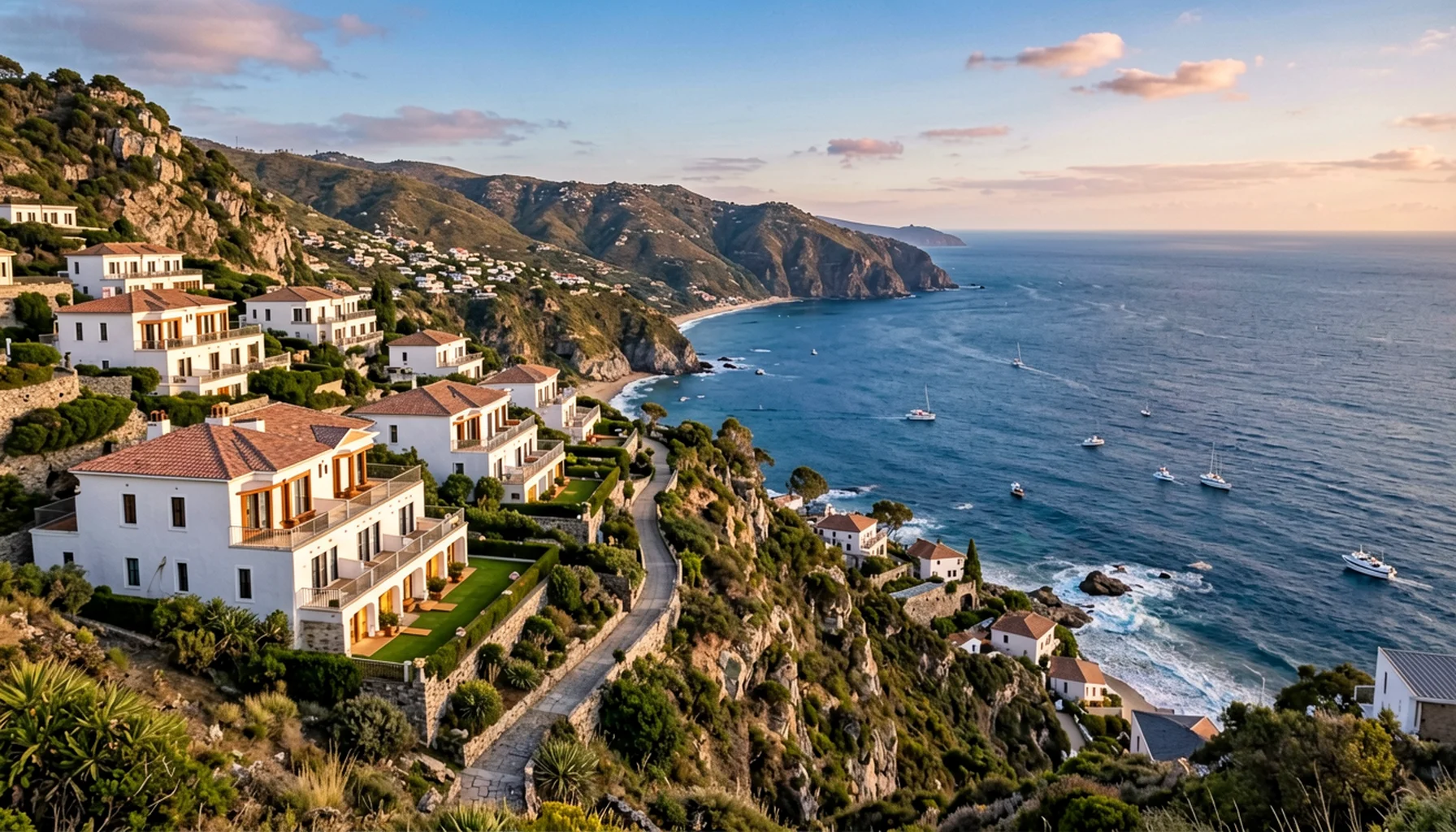
Based on appreciation potential, quality of life, and market liquidity, the Atlantic Seaboard (including Clifton, Camps Bay, and Bantry Bay) is considered Cape Town's best luxury investment area. This region has achieved 10-15% annual price growth over the past five years, features world-class beaches and scenery, and benefits from strong international buyer demand. Constantia and Franschhoek are ideal for those seeking estate living and wine culture.
What is the entry threshold for Cape Town's luxury property market?
Entry thresholds vary by area. On the Atlantic Seaboard, entry-level apartments start at R 5,000,000-R 8,000,000, with standalone villas from R 15,000,000. Constantia estate homes start from R 8,000,000. Franschhoek wine estate properties start from R 6,000,000. DingYao's Phase 1 solution has an entry threshold of R 16,000,000.
How does ZAR exchange rate volatility affect investment returns?
ZAR exchange rate volatility is a double-edged sword. For Taiwanese investors, ZAR weakness against the New Taiwan Dollar means an exchange rate discount at entry, while potential ZAR recovery at exit could deliver additional currency gains. Over the long term, ZAR's weakening trend provides a natural exchange rate buffer for overseas buyers. We recommend an investment horizon of 5+ years to smooth out exchange rate fluctuations.