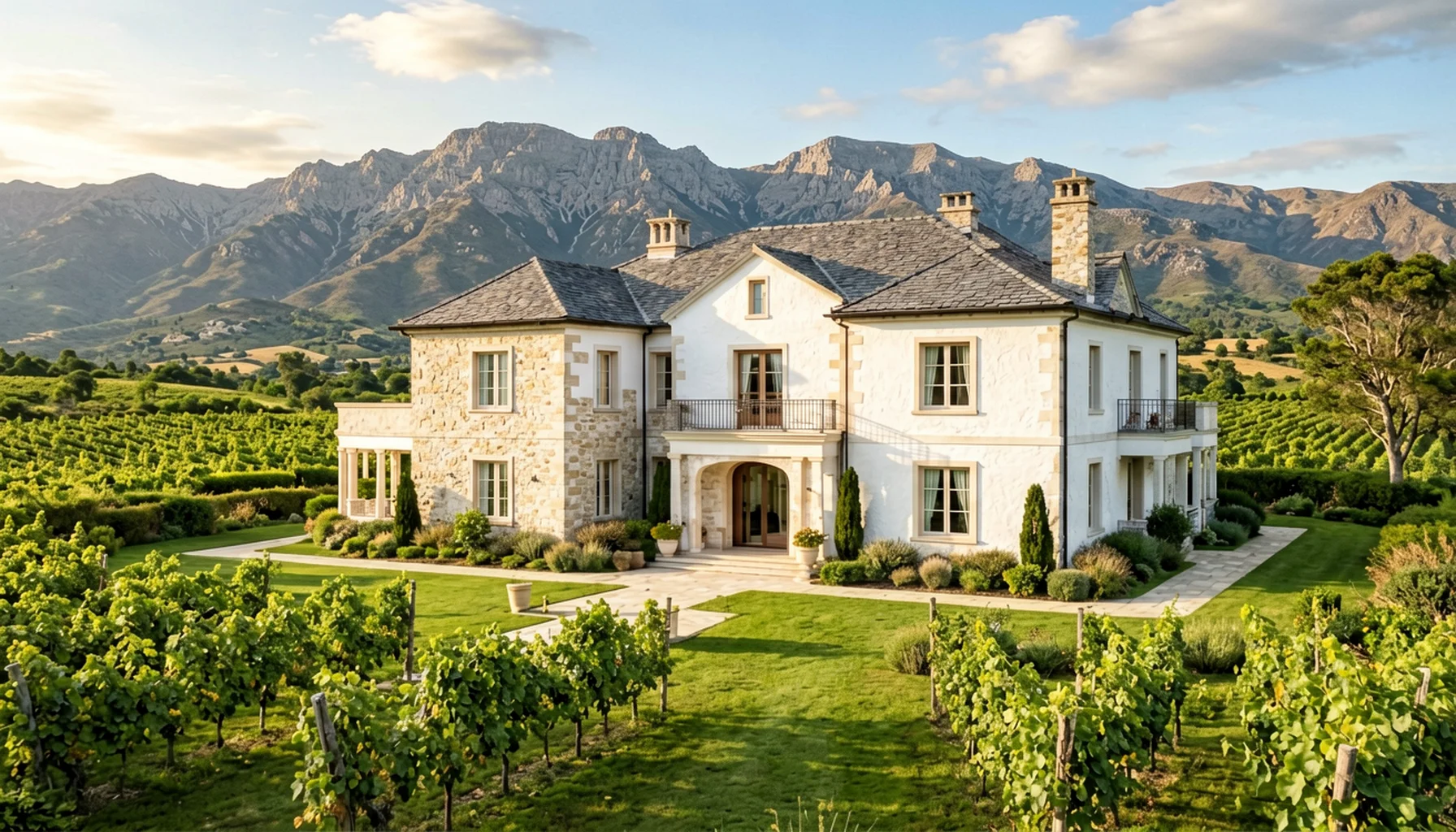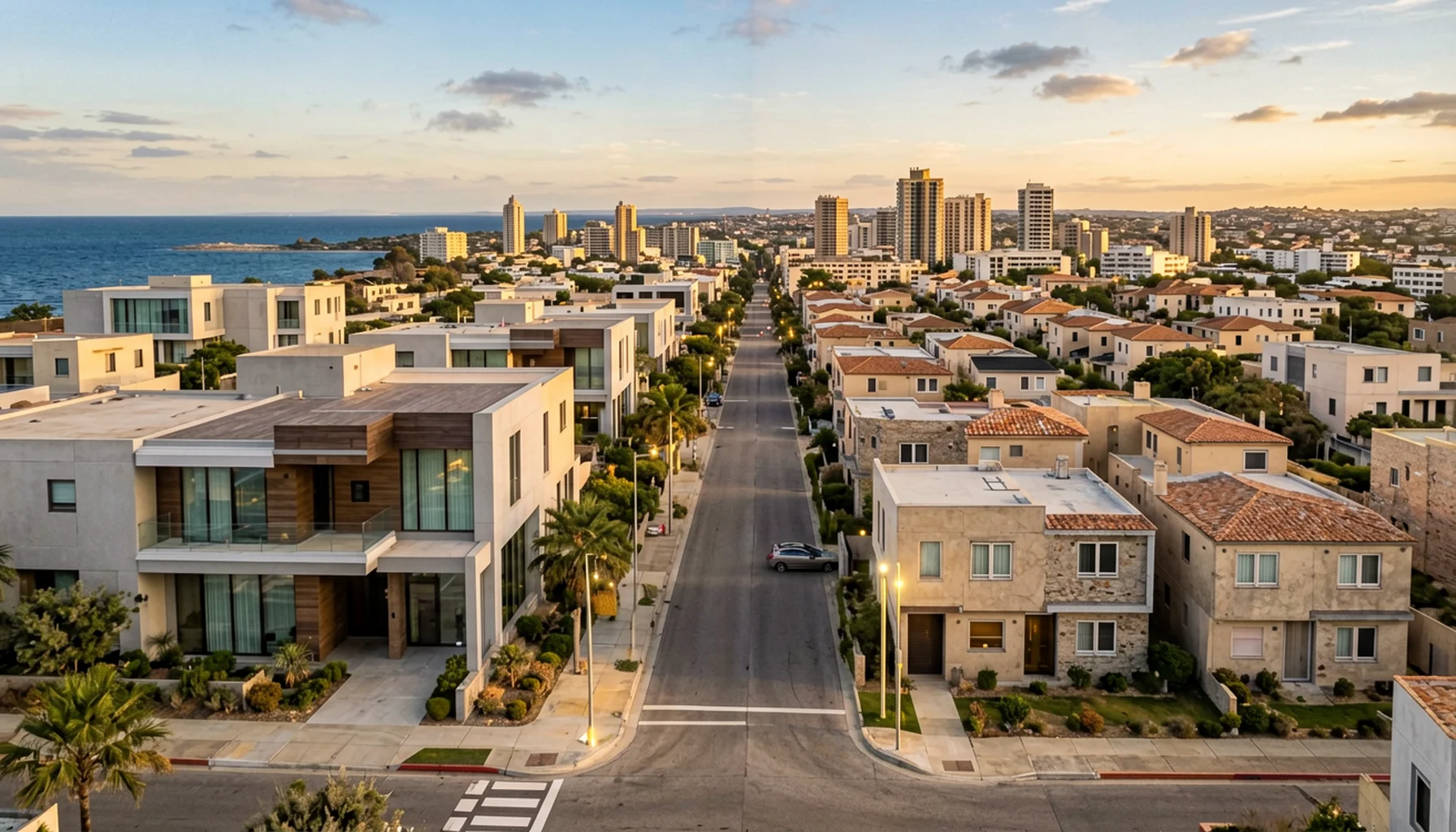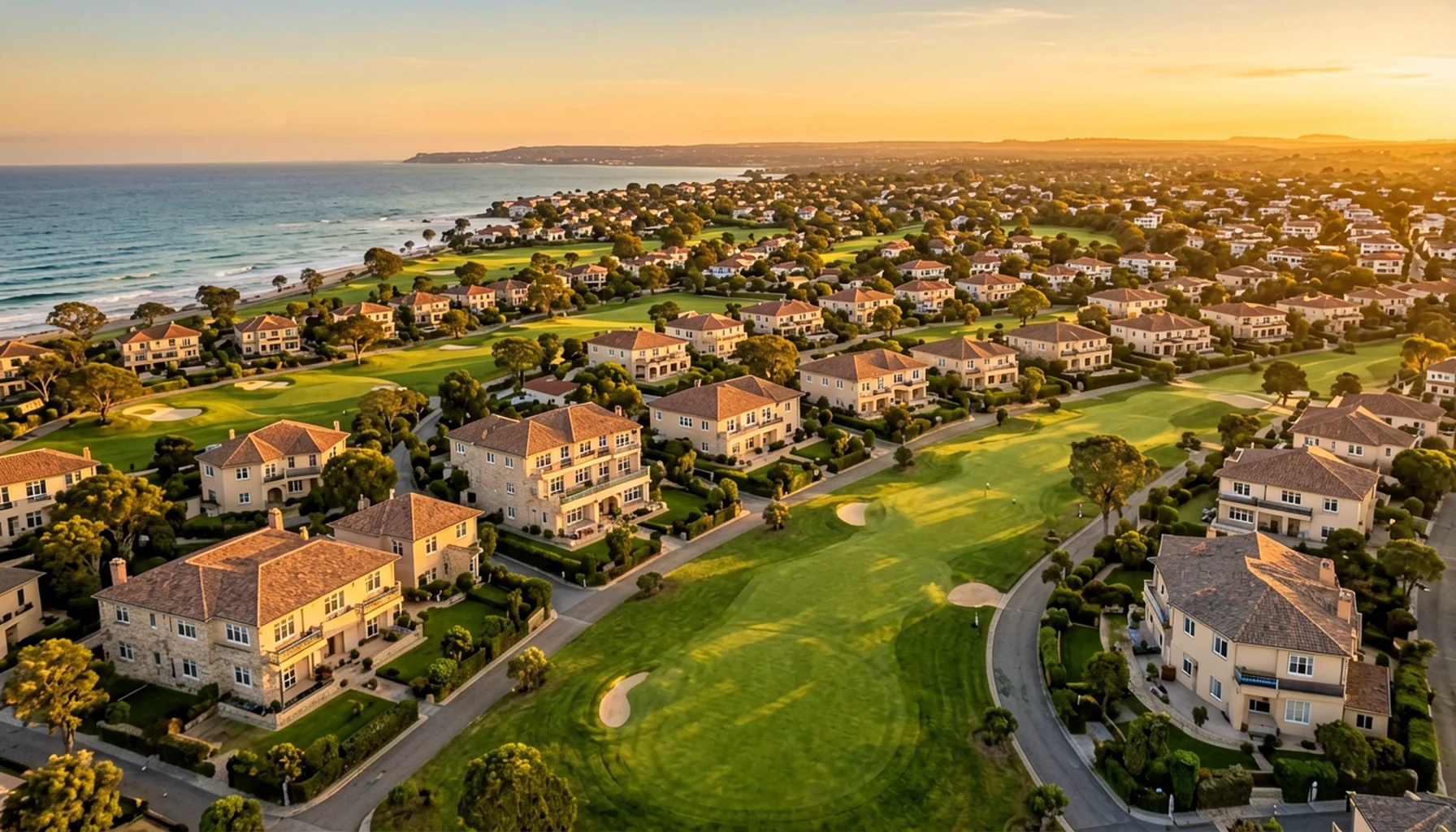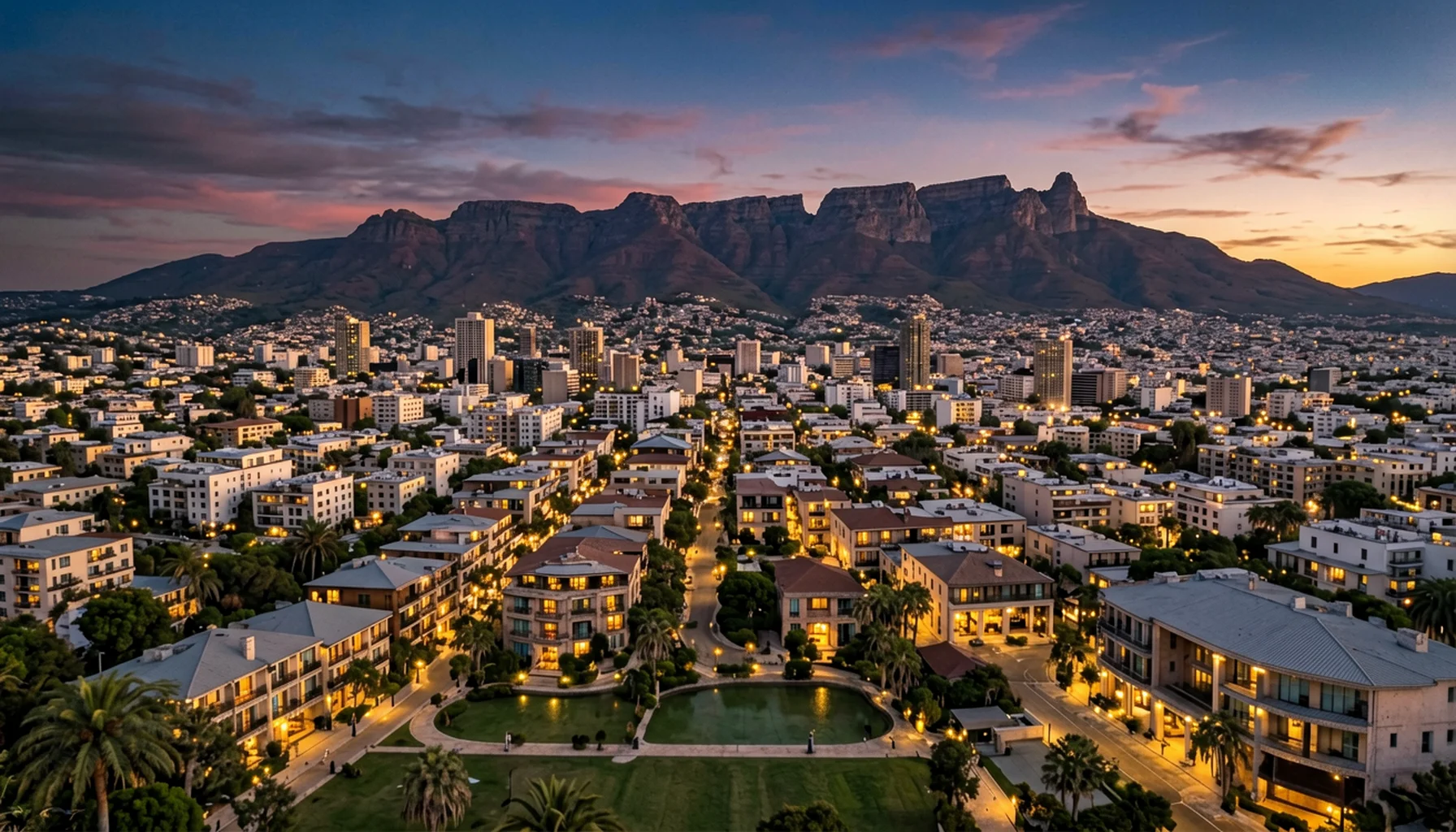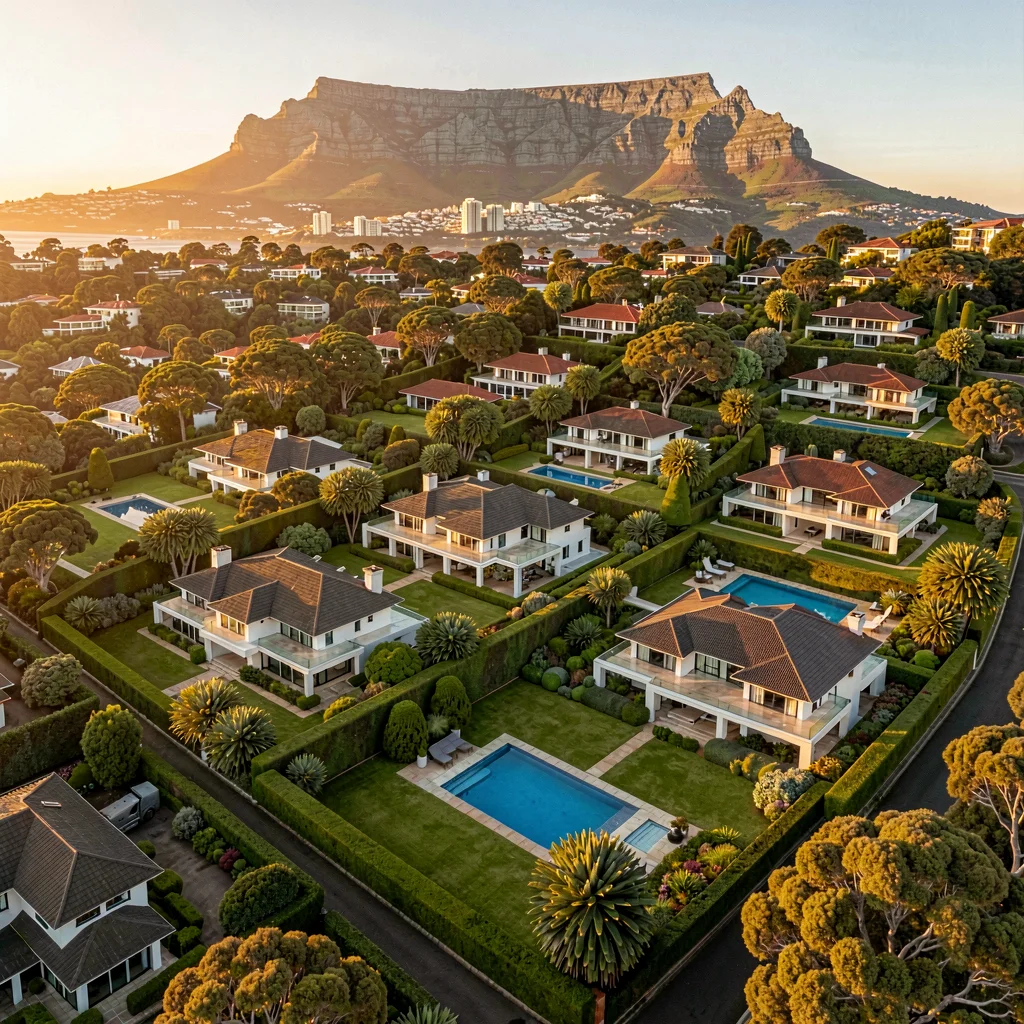
Two data points simultaneously shook South Africa's property market in July 2026. eNCA's "Number of the Day" revealed that foreign buyers account for 39% of all property transactions above R20 million (approximately USD 1.1 million) in Cape Town. Simultaneously, The Citizen reported that luxury property prices in Cape Town's Southern Suburbs continue to surge — Constantia Upper now averages R26 million, while Bishopscourt has breached R30 million, with prices doubling or even tripling over five years.
Together, these data points paint a clear market reality: Cape Town's high-end property market is no longer a "local market" — nearly four in ten transactions are driven by international capital, and price trends in premium suburbs have completely decoupled from South Africa's domestic economic cycle. 2oceansvibe's analysis following the SARB's July rate decision further confirms that South Africa's property market is rapidly splitting into two distinct markets.
Key Insight: Cape Town's luxury property market (R16M+) has formed a "parallel market" — immune to SARB interest rates, unaffected by local inflation pressures, and unconstrained by mortgage tightening. This market is driven by international cash buyers, high-net-worth semigration families, and institutional capital, with a price discovery mechanism entirely decoupled from the mainstream market. For foreign investors, this is not just an opportunity — it is a structural competitive advantage.